
I still remember my first day as an architecture intern in Manhattan - standing outside a gleaming Midtown tower at 8:45 AM, portfolio in hand, wondering if I was completely out of my league. Turns out, that feeling never really goes away in NYC's architecture world, but that's exactly what makes it so exciting.
The path to becoming a licensed architect typically follows three main steps: completing a bachelor's degree in architecture, gaining relevant experience through a paid internship, and passing an exam, according to the Bureau of Labor Statistics. In New York City's competitive market, that middle step—landing a solid internship—can make or break your architectural career trajectory.
Table of Contents
TL;DR
- NYC's architecture internship market operates on specific seasonal cycles - summer programs open applications January-February, and if you're waiting until April, you've already missed the boat
- Your portfolio needs to tell stories, not just show pretty pictures - 3-4 projects across 15-20 pages with clear narratives that prove you can actually think through problems
- Networking through AIA New York and random gallery openings often leads to internship opportunities that never get posted online
- NYC internships throw you into the deep end with complex zoning laws and insane project diversity that'll fast-track your learning like nowhere else
- Housing costs will eat your soul - plan $1,500-3,000 monthly and accept that you'll probably live with strangers who steal your food
- Document everything for NCARB's AXP requirements, but more importantly, the people you meet now might be hiring you in five years
Finding and Securing Architecture Internships in NYC
Getting your foot in the door in NYC's architecture world isn't just about having a killer portfolio (though that helps). It's about understanding how this crazy city's design scene actually works - and trust me, it's unlike anywhere else.
Decoding NYC's Architecture Internship Ecosystem
Here's the thing about NYC architecture firms - they're all over the map in terms of what they offer. I've had friends intern at massive global firms where they felt like tiny cogs in a huge machine, and others who worked at 8-person studios where they were basically designing buildings after three weeks.
The architecture internships NYC scene breaks down pretty simply: You've got your big-name firms (think SOM, KPF, the places your professors name-drop), your solid mid-sized practices that actually get stuff built, and tiny boutique studios run by people who probably went to your school ten years ago.
Big firms are impressive on your resume, but you might spend months just fixing redlines on construction documents. Smaller places? You could be sitting in client meetings and making real design decisions, but the pay might be... well, let's just say you'll become very familiar with dollar pizza.
|
Firm Type |
What You'll Actually Do |
Reality Check |
Getting In |
|---|---|---|---|
|
Global Firms |
Lots of CAD work, some cool presentations |
Great name recognition, less creative input |
Extremely competitive |
|
Mid-sized Practices |
Mix of everything, actual responsibility |
Good learning curve, decent pay |
Still tough but doable |
|
Boutique Studios |
Hands-on design, coffee runs |
Creative freedom, ramen budget |
Often about who you know |
|
Specialty Firms |
Deep dive into one thing |
Become an expert fast |
Depends on your interests |

Timing Your Applications for Maximum Success
Okay, here's where most people mess up completely. They think they can start looking for summer internships in, like, April. Wrong. So wrong.
If you want a summer gig, you need to have your act together by January. I'm talking portfolio polished, cover letters written, the whole thing. The good spots get filled by February, and by March you're competing for scraps.
But here's a secret that saved my friend Maria's entire career: Fall and spring internships are where the real opportunities hide. Everyone's fighting over summer positions, but plenty of firms need help during the school year and have way less competition.
Don't just wait around for job postings either. I know it sounds terrifying, but cold emailing actually works. About half the internships I know about never got posted anywhere - they just hired the person who showed up at the right time with the right attitude.
Take this one guy I know - let's call him David. He wanted to work at this specific sustainable design firm in Brooklyn. Instead of waiting for them to post something, he researched their recent projects, wrote a thoughtful email about their work on affordable housing, and asked if he could buy someone coffee to learn about their process. Three emails later, he had an unpaid internship that turned into a full-time job.
Understanding Compensation Realities
Let's talk money, because nobody else will give you the real numbers. NYC architecture internships pay anywhere from absolutely nothing to about $25 an hour if you're lucky. Most hover around $15-18, which sounds okay until you realize that's barely covering your MetroCard and bodega lunches.
The big firms usually pay better - they have HR departments and legal teams that worry about labor laws. Smaller places are more... creative with compensation. I've seen "internships" that were basically unpaid labor, and others that paid decently but expected you to work until 9 PM every night.
Here's my honest take: If a firm offers great experience, good mentorship, and projects you actually want on your portfolio, don't automatically write them off because the pay sucks. But if they're paying nothing AND treating you like a coffee-fetching machine, run.
Some firms throw in extras that actually matter - MetroCard reimbursement (huge), software training (valuable), or flexible hours (lifesaver if you're still in school). Don't forget to factor these in when you're deciding between offers.
Crafting Applications That Stand Out
Your portfolio is everything in this business, but here's what they don't tell you in school: it's not about showing off. It's about proving you can think.
Building Portfolios That Capture Attention
NYC firms see hundreds of portfolios that all look exactly the same - black backgrounds, white text, lots of diagrams that don't actually explain anything. Don't be that person.
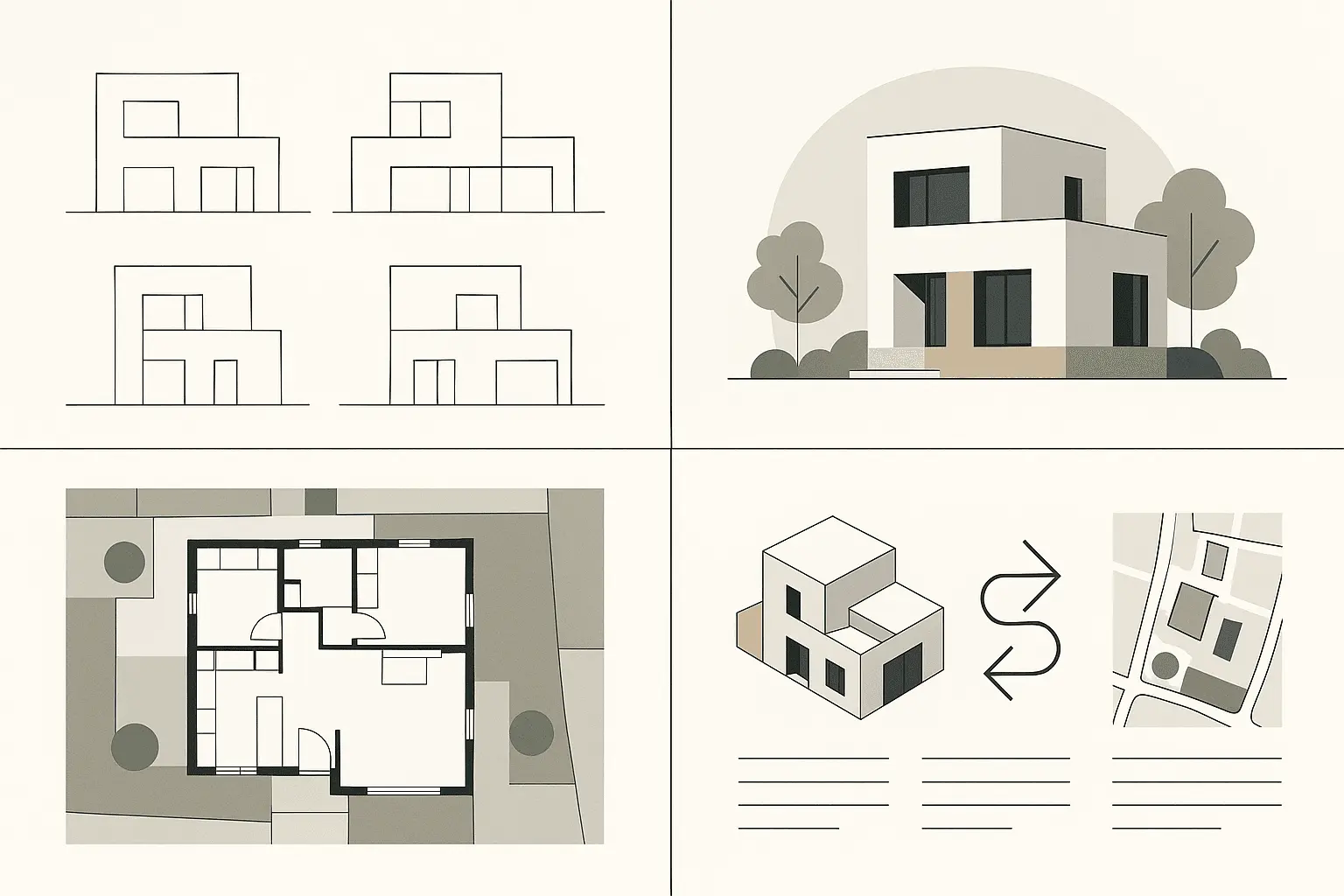
Your portfolio needs to tell stories. Not "I made a building and here's what it looks like," but "Here's a problem I found, here's how I thought about it, and here's what I came up with." The process matters more than the final product.
I learned this the hard way. My first portfolio was all beauty shots and fancy renderings. Got me exactly zero interviews. Then my professor told me to show my messy sketches, my failed ideas, my research - suddenly firms wanted to talk.
Keep it real with project types too. Don't just show your studio projects. Include that weird installation you built, the competition you entered but didn't win, even personal projects if they're good. NYC firms want to see range.
And please, for the love of all that is holy, make sure your technical drawings are actually correct. I've seen gorgeous portfolios get tossed because the sections didn't line up with the plans. This city runs on details - show you understand them.
What Actually Goes in a Good Portfolio:
- Stories, not just pictures
- Your actual design process (messy sketches included)
- Projects that show you can solve different problems
- Technical drawings that aren't embarrassing
- Something that shows your personality
- Contact info that's actually current
- A file size that won't crash their email
- Your name on every page (trust me on this one)
Writing Cover Letters That Connect
Generic cover letters are worse than no cover letters. If you start with "I am writing to express my interest in your internship program," you've already lost.
Do your homework. Look up their recent projects, read interviews with their principals, check out their Instagram. Then write about something specific that caught your attention. "I noticed your recent project in Queens uses cross-laminated timber in a way I haven't seen before" beats "I admire your innovative approach" every single time.
Connect your stuff to their stuff. If they do a lot of housing and you wrote your thesis on affordable housing policy, say that. If they're known for weird materials and you built something out of cardboard and zip ties, mention it.
Show you get NYC. This isn't just any city - it's a place with specific challenges, opportunities, and quirks. If you understand that, say so.
Leveraging Networks and Building Connections
Networking sounds gross and corporate, but in NYC architecture, it's just how things work. The good news? It's actually pretty fun once you get the hang of it.
Tapping Into Professional Organizations
AIA New York isn't just for old guys in suits (though there are plenty of those). They do student events, happy hours, building tours - stuff that's actually interesting and full of people you want to meet.
The Architectural League is where the cool kids hang out. Their events are packed with young architects, students, and people doing interesting work. Plus, their parties are legendary.
Don't sleep on student organizations either. Even if you go to school somewhere else, NYC student groups are usually pretty welcoming. Columbia's events are particularly good for networking, and Cooper Union throws surprisingly fun parties.
Join the online stuff too. There are Instagram accounts and LinkedIn groups where people share jobs, gossip about projects, and argue about zoning laws. It's actually pretty entertaining.
The recent success of students at major NYC design events shows how getting involved pays off. "NYCxDESIGN Festival" from NYIT showcases how student involvement in high-profile design events can lead to professional connections and opportunities, with the festival drawing global audiences to hundreds of exhibitions and networking events across the five boroughs.
Making the Most of Industry Events
Gallery openings are networking gold mines. People are relaxed, there's usually free wine, and conversations happen naturally. Plus, you get to see cool stuff.
Lectures are hit or miss - some are boring, but others are packed with people you want to meet. The trick is showing up early and sticking around after. That's when the real conversations happen.
During NYCxDesign and similar festivals, the city basically turns into one giant networking event. Volunteer if you can - you'll meet everyone and look committed at the same time.
Follow up, but don't be weird about it. A simple "Nice meeting you at the opening last night" email goes a long way. Just don't send a 500-word essay about your career goals.
My friend Jake spent three months cold-emailing firms in February, getting nowhere. Then he showed up to a random gallery opening in Chelsea, struck up a conversation with someone about a weird installation, and found out the guy was a partner at SOM. Two weeks later, he had an interview.

Maximizing Your NYC Architecture Internship Experience
Once you actually land an internship, the real learning begins. And let me tell you, working in NYC architecture is like drinking from a fire hose - in the best possible way.
Accelerating Professional Growth During Your Internship
NYC throws you into the deep end fast. You'll deal with zoning laws that make no sense, clients who change their minds every five minutes, and construction schedules that seem physically impossible. It's overwhelming and amazing.
Mastering NYC's Regulatory Complexity
The zoning resolution in this city is basically a 1,000-page puzzle written by sadists. But once you start to understand it, you realize it's actually kind of brilliant (and definitely lucrative to know).
You'll learn about FAR (floor area ratio), setbacks, and bonus provisions that can make or break a project. This stuff is gold - firms will pay good money for people who can navigate these rules without breaking into a cold sweat.
Landmarks preservation is another beast entirely. Try explaining to a client why they can't change their windows in a historic district - it's like being a translator between past and present.
The Department of Buildings (DOB) has its own special language and customs. Watch how the senior people handle permit applications and inspections. This administrative knowledge is boring but crucial for moving up.
Ask questions about everything. When someone says "we can't do that because of zoning," find out exactly why. This knowledge compounds fast and makes you incredibly valuable.
Marcus, this intern I knew, became the office's unofficial zoning expert just by paying attention and asking smart questions. By the end of his internship, partners were coming to him for quick zoning checks. That curiosity landed him a full-time job at another firm specializing in historic renovation projects.
Embracing Project Diversity
In NYC, you might work on a luxury condo tower in the morning and a community center in the afternoon. This variety is insane and incredibly educational.
Each project type teaches you different things. Residential work is all about efficiency and making tiny spaces feel bigger. Commercial projects involve complex programming and making tenants happy. Cultural work lets you get weird and think about public space.
Document everything you work on. This diversity makes your portfolio way stronger and shows you can handle whatever gets thrown at you.
Don't just focus on the design stuff either. Pay attention to how projects get sold, how clients make decisions, and how budgets work. Understanding the business side makes you way more valuable.
The success story of international students demonstrates how NYC internships can provide direct access to renowned architects and high-level projects. The "UC student Tamara Nasr at Steven Holl Architects" from University of Cincinnati shows how new york architecture intern positions can offer meaningful interaction with senior leadership, with just 25 employees across the firm creating opportunities for direct mentorship.
Building Relationships That Last
The people you meet during your internship aren't just colleagues - they're your future network, your references, and maybe your business partners someday.
Cultivating Meaningful Mentorship
Find people whose careers you admire and whose personalities you click with. Don't just pick the most senior person - sometimes the best mentors are people just a few years ahead of you.
Ask real questions, not just "how do I succeed?" Try stuff like "What do you wish you'd known at my stage?" or "What's the biggest challenge facing the firm right now?" Show you're thinking beyond just your immediate tasks.
Take initiative. Volunteer for the weird projects nobody else wants. Stay late when there's a deadline crunch. Show up to optional meetings. This stuff gets noticed.
Keep in touch after your internship ends. Send updates about what you're working on, share interesting articles, remember their birthdays. These relationships often lead to job offers years later.
Building Real Mentorship Relationships:
- Find 2-3 people you actually connect with
- Ask about their career path, not just immediate tasks
- Volunteer for projects that interest them
- Show up to optional stuff (meetings, events, happy hours)
- Actually listen to their advice
- Keep in touch after your internship ends
- Send updates about your progress
- Offer help when you can
- Remember they're people, not just career resources
- Be genuine - people can smell fake networking from miles away
Practical Considerations for Architecture Interns in NYC
Living in NYC as an intern is like playing life on expert mode. Everything costs more, takes longer, and is more complicated than you expect. But it's also incredible.
Solving the Housing Challenge
Finding a place to live in NYC might be harder than getting the internship itself. Start looking early, have backup plans, and prepare to compromise on something.
Exploring Student Housing Solutions
Student housing is expensive but solves a lot of problems. You get furniture, flexible leases, and roommates who are probably dealing with the same stuff you are.
Location matters way more than Location matters way more than you think. Being close to subway lines that go to major architecture districts saves you time, money, and sanity. Trust me on this one.
Living with other students creates an instant network. Some of my best professional connections came from random conversations in shared kitchens.
|
Housing Type |
What You're Really Getting |
Hidden Costs |
Reality Check |
|---|---|---|---|
|
Student Housing |
Convenience and community |
Premium pricing |
Worth it for short stays |
|
Room Shares |
Cheaper rent, personality conflicts |
Utilities, internet, drama |
Good if you find the right people |
|
Studio |
Privacy and control |
Everything costs extra |
Only if you can afford it |
|
Subletting |
Flexibility |
Uncertainty |
Great for short internships |
Managing Your Budget Effectively
Plan to spend way more than you think on everything. That $18/hour internship sounds decent until you realize rent is $2,000, lunch is $15, and drinks with colleagues cost $20 per beer.
Housing will eat most of your income. Budget at least $1,500 for a shared room, more if you want your own space or a good location.
Food adds up fast. Cooking saves money but requires time and kitchen access. Eating out is convenient but expensive. Find your balance.
Transportation costs more than the MetroCard. Factor in late-night Ubers, weekend trips, and the occasional taxi when you're running late with a model.
Some interns supplement with part-time work, family help, or savings. There's no shame in needing financial support - this city is expensive for everyone.
Navigating Daily Logistics
Your commute will become a major part of your life. Plan it carefully.
Mastering Your Commute
Most architecture firms cluster in Midtown, Downtown, and increasingly Brooklyn. Know where you're going before you pick where to live.
Learn multiple routes to your office. The subway breaks down constantly, and having backup options prevents awkward "sorry I'm late, train problems" conversations.
Time your commute during different hours. What takes 30 minutes at 10 AM might take an hour at 8:30 AM. Plan accordingly.
Dress for the commute, not just the office. Summer subway platforms are brutal, winter walks are freezing, and rain makes everything complicated.
Jessica learned this lesson the hard way. She saved money living in Queens but spent 2 hours a day commuting. When she moved closer to work, her quality of life improved dramatically, even though rent was higher. She switched to student housing in Lower Manhattan, which cost $400 more monthly but reduced her commute to 15 minutes, improved her punctuality, and gave her energy to participate in after-work networking events that ultimately led to a job offer.
Connecting Your Internship Experience to Long-term Success
Your internship isn't just a temporary gig - it's the foundation of your entire career. Treat it that way.
Leveraging Experience for Future Opportunities
Everything you do during your internship should be building toward something bigger. Document your experience, maintain relationships, and keep your eyes on the long game.
Documenting Experience for Professional Requirements
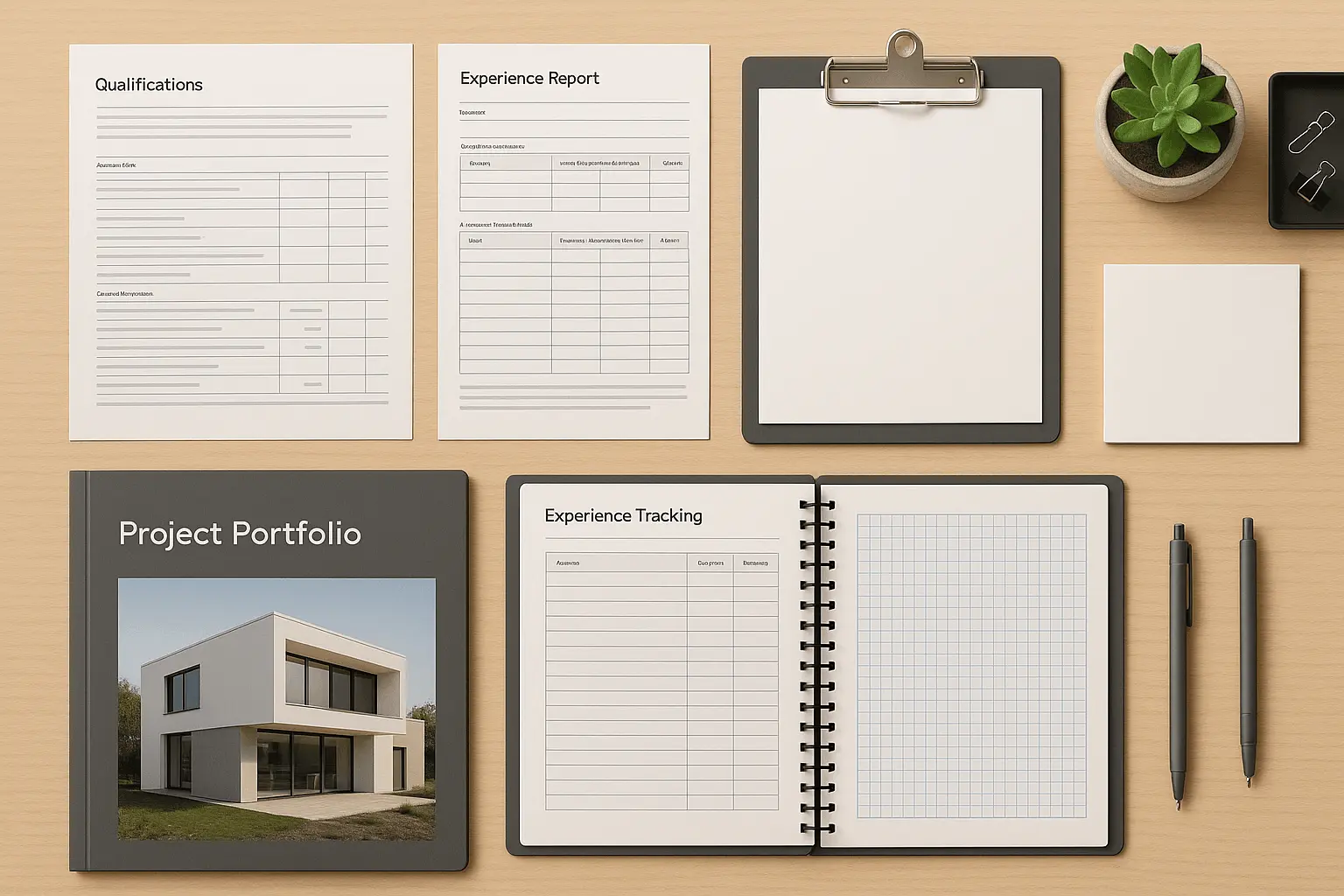
Track your hours from day one. NCARB's AXP program is picky about documentation, and NYC internships often provide diverse experience that fulfills multiple requirements.
Keep detailed records of what you actually did, not just how many hours you worked. "Worked on construction documents" is less useful than "Developed wall sections for mixed-use building, coordinating with structural and MEP consultants."
Get supervisor feedback regularly. Don't wait until the end of your internship to ask for evaluations - maintain ongoing documentation throughout.
Your NYC experience often covers multiple AXP categories because projects here are complex and fast-moving. Take advantage of this diversity.
NCARB AXP Experience Tracking (The Real Version):
- Weekly hour logs with actual task descriptions (not "worked on stuff")
- Experience area categorization (A through F) - learn what these mean
- Learning objective documentation that shows growth
- Supervisor feedback that's more than "good job"
- Project documentation for your portfolio
- Skills development tracking (software, technical knowledge)
- Professional development activities (lectures, events you attended)
- Networking and mentorship records (yes, this counts)
Building Your Professional Network
The architecture community in NYC is smaller than you think. The intern sitting next to you might be running their own firm in ten years. Treat everyone accordingly.
Maintaining Long-term Connections
Stay in touch with everyone - other interns, junior architects, senior staff, even the office manager who helped you figure out the printer. You never know who'll be in a position to help you later.
Use social media strategically. LinkedIn is obvious, but Instagram is where a lot of young architects actually hang out and share work.
Share your successes without being obnoxious. When you finish school, land a job, or complete a cool project, let your network know. People like following success stories.
Help other people when you can. Refer friends for jobs, share opportunities, make introductions. What goes around comes around in this business.
The person who hired you as an intern might become a client, collaborator, or business partner someday. These relationships compound over time in ways you can't predict.
With employment of architects projected to grow 4 percent from 2024 to 2034, according to the Bureau of Labor Statistics, and about 7,800 openings for architects projected each year, building strong professional networks during internships becomes even more crucial for standing out in a competitive field.

Final Thoughts
Look, NYC architecture internships are tough to get and even tougher to navigate. But if you're reading this, you're already thinking about it the right way.
Your architecture internship in NYC represents way more than just a resume line - it's your entry point into one of the world's most dynamic architectural communities. The relationships you build, skills you develop, and projects you contribute to during these months will influence your career trajectory for years to come.
Yes, you'll probably eat way too much bodega food and wonder why your MetroCard always seems to run out at the worst possible moment. Yes, you'll question your life choices when you're carrying a 4-foot model on the subway during rush hour. But you'll also get to work on buildings that millions of people will see and use.
Let's be real - you're probably going to mess up at least once. I know someone who showed up to their first day at a prestigious firm wearing sneakers because they misunderstood "business casual." Another friend accidentally deleted half a CAD file. The key is how you bounce back.
Remember that every successful architect in NYC started somewhere, often as an intern navigating the same challenges you're facing. The key lies in approaching your internship strategically, staying genuinely curious about the work, and building authentic relationships with colleagues and mentors who can guide your professional development.
You'll learn to navigate the subway like a pro, develop opinions about which bodegas have the best coffee, and probably fall in love with at least three different neighborhoods you can't afford to live in.
The city's architectural landscape continues evolving, creating new opportunities for emerging professionals who understand both its challenges and possibilities. Your internship experience positions you to be part of that evolution, contributing to projects that will literally reshape how millions of people experience the city.
Trust me - the city has a way of rewarding people who show up prepared and stay curious. Plus, there's nothing quite like seeing a building you helped design rising from a construction site in the middle of Manhattan.
Your internship is just the beginning. Make it count.