
Table of Contents
TL;DR
- NYC's tech scene is massive and confusing - from Google's Chelsea office to tiny Brooklyn startups, each with totally different vibes and application processes
- Start your internship hunt 6-12 months early (I know it sounds crazy, but trust me on this one)
- Master technical interviews through consistent practice - it's not just about getting the right answer, it's about showing how you think
- Build genuine professional relationships through university connections, industry meetups, and authentic online presence
- Create 2-3 projects you're actually proud of that demonstrate real problem-solving abilities and clean code
- Plan housing, transportation, and budgeting early so you can focus on crushing your internship instead of stressing about logistics
- Use flexible student housing options to eliminate accommodation headaches and maximize networking opportunities
Finding and Securing Computer Science Internships in NYC
Look, let me be honest with you - the NYC tech internship hunt is brutal. You're competing against thousands of other smart, motivated students for a limited number of spots. But here's what I've learned from students who actually landed these internships: it's not just about being the best programmer. It's about understanding the game and playing it strategically.
New York City has one of the world's most dynamic tech ecosystems, offering computer science students incredible opportunities across every sector you can imagine. From Wall Street's fintech revolution to Silicon Alley's startup boom, the city provides a unique blend of established corporations and emerging companies that can jumpstart your career.
With tech industry employees accounting for almost 7% of New York's overall workforce, the opportunities are vast but highly competitive. Success in this market requires understanding the different landscapes, timing your applications strategically, and preparing for tough technical interviews that separate top candidates from everyone else.
Cracking the Code: Major Tech Companies and Startup Ecosystem
Here's the reality - NYC's tech scene is massive and confusing if you don't know where to look. You've got everything from Google's massive Chelsea office to tiny startups in converted warehouses in Brooklyn. The trick is figuring out which type of company matches what you're actually looking for (and what you can realistically get).
Fortune 500 Tech Giants: Your Gateway to Structured Excellence
Let's be honest - these are the internships everyone wants. Google, Amazon, Microsoft, Meta - they've got the name recognition that makes your parents proud and the structured programs that actually teach you something valuable. But here's what they don't tell you: these programs are ridiculously competitive.
I'm talking thousands of applications for maybe 50 spots. The good news? If you get in, you're golden. These companies have figured out how to run internship programs. You get a real mentor (not just someone who ignores your Slack messages), actual projects that matter, and compensation that'll make your broke college friends jealous - we're talking $40-60 per hour, plus perks.
The interview process is no joke though. You'll face multiple rounds of coding challenges, behavioral questions, and yes, even system design stuff for internships. I know it seems excessive, but they're investing serious money in you and want to make sure you can handle it.
When you're thinking about housing for these big company internships, places like The Clark House make sense because you can actually get to these Manhattan offices without spending two hours on the subway each day.
|
Company Type |
Program Length |
Compensation Range |
Application Timeline |
Key Benefits |
|---|---|---|---|---|
|
Fortune 500 Tech Giants |
10-12 weeks |
$40-60/hour + benefits |
September-February |
Structured mentorship, return offers, brand recognition |
|
Fintech Companies |
8-16 weeks |
$35-55/hour + bonuses |
October-March |
High-impact projects, financial sector exposure |
|
Early-stage Startups |
8-20 weeks |
$25-45/hour + equity |
Year-round |
Broad responsibilities, direct founder access |
|
Scale-up Companies |
10-14 weeks |
$30-50/hour + equity |
January-April |
Growth experience, leadership opportunities |
Fintech and Financial Services Technology: Where Finance Meets Innovation
Wall Street isn't just about suits and spreadsheets anymore. Goldman Sachs has more engineers than some tech companies, and they're building systems that handle billions of dollars every day. If that doesn't get your adrenaline pumping, I don't know what will.
The cool thing about fintech internships is that your code actually matters immediately. Build a trading algorithm that saves the firm 0.01% on transactions? That's millions of dollars. It's pretty wild when you think about it.
But here's what's different - these companies expect you to understand both the tech and the business side. You don't need to become a finance expert overnight, but you should know what a derivative is and why latency matters in trading systems. The interviews often include questions about both coding and basic financial concepts.
The startup fintech scene is equally exciting but in a different way. Companies like Plaid, Stripe (well, they have NYC offices), and dozens of smaller firms are rebuilding financial infrastructure from scratch. You might work on payment processing, fraud detection, or cryptocurrency platforms - stuff that didn't even exist when your professors were learning to code.

Startup and Scale-up Opportunities: Maximum Impact, Minimum Bureaucracy
Startup internships are a completely different animal. Instead of having one carefully scoped project, you might find yourself fixing bugs, building new features, and even talking to customers all in the same week. It's chaotic, but you'll learn more in three months than some people learn in their first year at a big company.
The application process is usually more personal too. You might interview directly with the founder or CTO, and they care more about whether you can figure things out and work well with the team than whether you can solve every LeetCode problem perfectly.
Take Sarah - she landed an internship at a Series B fintech startup in Flatiron. Instead of being stuck on one project, she ended up building customer onboarding APIs, optimizing database queries, and even creating internal compliance tools. By the end, she understood the entire tech stack and had a full-time offer with equity that could actually be worth something someday.
The compensation varies wildly at startups. Some pay competitively with big tech, others offer lower cash but meaningful equity. The real value is in what you learn and the relationships you build. At a 50-person company, you'll actually know everyone, including the executives making hiring decisions.
Mastering the Timeline: Application Strategy That Works
Here's where most students mess up - they think internship applications work like college applications, where you apply in spring for fall admission. Nope. The tech world operates on a completely different schedule, and if you don't know the timeline, you're already behind.
Early Preparation: Building Your Foundation (6-12 Months Before)
I know what you're thinking - "6-12 months? That's insane!" But hear me out. The students who land the best internships start preparing almost a year in advance. They're not grinding LeetCode for 12 months straight, but they're systematically building the foundation that makes them competitive when applications open.
Start contributing to open source projects that you actually care about. Don't just fix typos to pad your GitHub - find projects you use and make real improvements. This shows you can work with other people's code, follow conventions, and contribute to something bigger than yourself.
Build 2-3 projects that you're genuinely proud of. Not tutorial projects, not class assignments - stuff that solves real problems or explores ideas you find interesting. One might be a full-stack web app, another could be a machine learning project, maybe a third shows mobile development skills. The key is making them substantial enough that you can talk about interesting technical decisions and trade-offs.
And yes, you need to grind some LeetCode. I wish there was a way around it, but there isn't. Aim for 2-3 problems a day, focusing on understanding patterns rather than memorizing solutions. It's boring, but it's the price of admission.
Pre-Application Checklist:
- Complete 2-3 substantial personal projects with live demos
- Make meaningful contributions to 1-2 open source projects
- Solve 200+ coding problems across different difficulty levels
- Build a professional LinkedIn profile with project showcases
- Create a clean, well-documented GitHub portfolio
- Research target companies and their specific tech stacks
- Connect with university alumni working at target companies
- Attend at least 3 industry meetups or tech events
Peak Application Season: When the Real Competition Begins (September-February)
This is when things get intense. Major tech companies open their applications in September for the following summer, and you need to be ready to apply immediately. Some companies review applications on a rolling basis, so waiting even a few weeks can hurt your chances.
Set up job alerts and apply within the first week if possible. Your application will be reviewed alongside fewer others, and recruiters are fresh and optimistic rather than burned out from reading thousands of resumes.
The technical interviews during this period are no joke. You'll face coding challenges that test your problem-solving under pressure, and increasingly, even internship candidates get system design questions. You don't need to know how to architect Netflix, but you should understand basic concepts like load balancing, caching, and when to use different types of databases.
Network like crazy during this time. Go to career fairs, company info sessions, and industry meetups. A personal connection can get your resume actually looked at instead of lost in the pile of thousands of other applications.

Late-Cycle and Rolling Opportunities: Your Second Chance Strategy (March-May)
Don't give up if you strike out during the main recruiting season. Tons of opportunities open up in spring - startups finalize their hiring plans, big companies realize they need more interns, and some students turn down offers, creating openings.
Startups especially hire on shorter timelines. They might post a position in April for someone to start in June. Set up alerts on AngelList, Built In NYC, and company websites to catch these quickly.
This is also when you can be more strategic about reaching out directly to companies. If you didn't hear back during the main season, try connecting with employees on LinkedIn or attending company events. Sometimes positions exist that aren't widely advertised.
Technical Interview Preparation: Separating Signal from Noise
Let's talk about what these interviews are actually testing, because it's not just whether you can solve coding problems (though that's part of it). Interviewers want to see how you think, how you communicate, and whether you can work through problems you've never seen before.
Coding Challenge Mastery: Beyond Getting the Right Answer
The dirty secret about coding interviews is that getting the optimal solution isn't always the most important thing. Interviewers care more about your thought process, how you handle being stuck, and whether you write code that other people can understand and maintain.
Focus on the most common patterns: arrays and strings, linked lists, trees and graphs, dynamic programming, and basic sorting/searching. Instead of memorizing solutions, understand when to apply different approaches. Practice talking through your thinking out loud - it feels awkward at first, but it's crucial.
Write clean code even under pressure. Use meaningful variable names, add comments for tricky parts, and think about edge cases. A working brute-force solution is infinitely better than an incomplete optimal solution.
Here's a real example: Alex was interviewing at Google and got asked about finding the longest substring without repeating characters. Instead of immediately coding, he spent two minutes asking clarifying questions and explaining his sliding window approach. Even though his first implementation had a bug, the interviewer was impressed by his systematic thinking and clear communication. He got the offer.
System Design Fundamentals: Thinking at Scale
System design questions used to be only for senior engineers, but now even interns face simplified versions. Don't panic - they're not expecting you to architect Facebook. They want to see if you can think about real-world constraints and trade-offs.
Start by understanding the problem. Ask questions about scale (how many users?), performance requirements (how fast should it be?), and specific features needed. This shows you think about requirements before jumping into solutions.
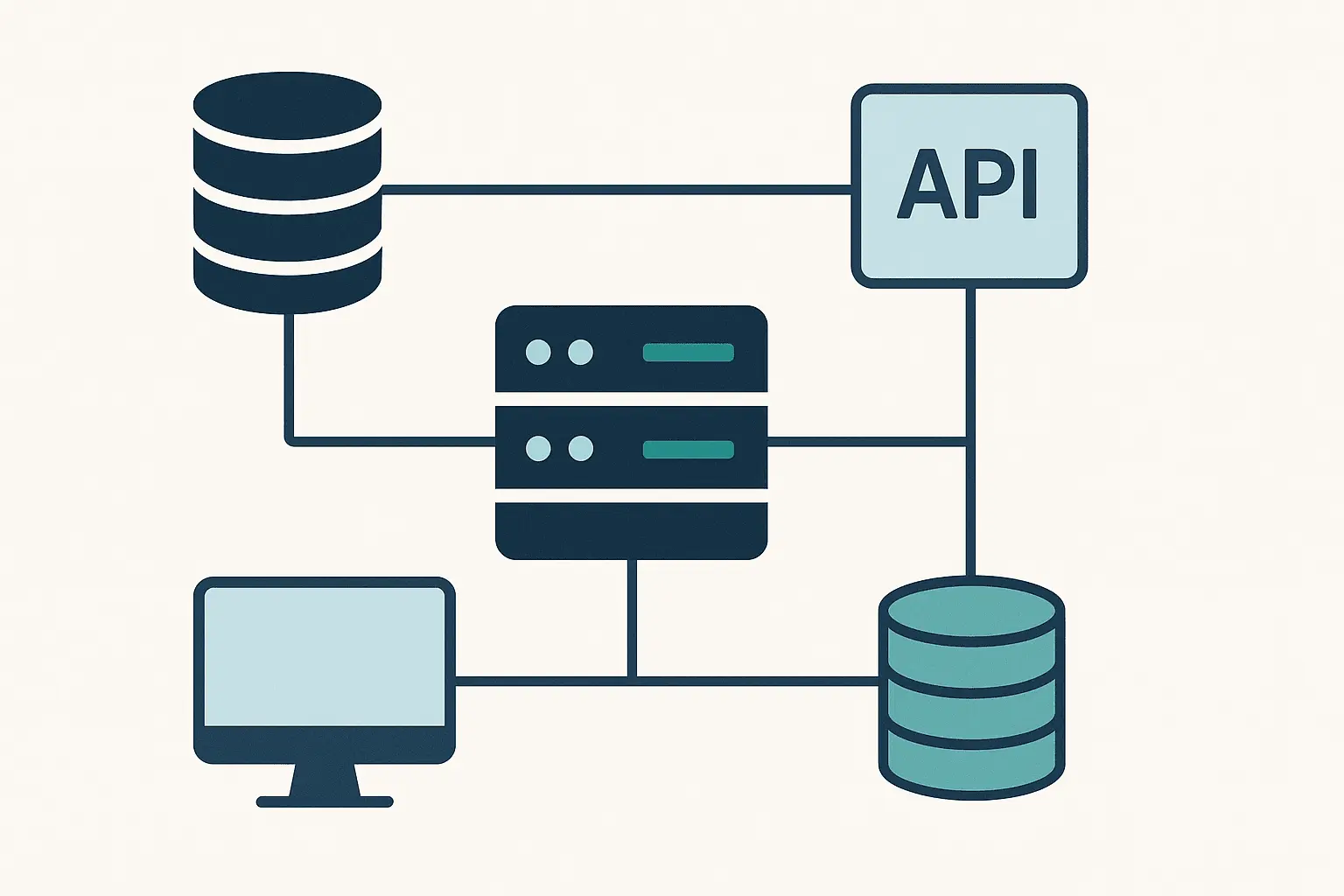
Learn the basic building blocks: different types of databases, caching layers, load balancers, and message queues. You don't need deep expertise, but understand when and why you'd use each one. Practice drawing simple diagrams that show how components interact.
Study systems you use every day. How does Twitter handle millions of tweets? How does Netflix stream video to millions of people? Understanding these examples gives you templates for your own designs.
Professional Development and Networking Strategies
Okay, let's talk about the part that makes most computer science students want to hide in their dorm rooms - networking. I get it. You became a programmer because you like computers more than people, and now someone's telling you that talking to strangers is crucial for your career success.
But here's the thing - networking in tech isn't about schmoozing at cocktail parties. It's about building genuine relationships with people who share your interests and can help you learn and grow. And in NYC, you're surrounded by some of the smartest, most interesting people in the industry.
Building Your Professional Network: Quality Over Quantity
Forget everything you think you know about networking. This isn't about collecting business cards or LinkedIn connections like Pokemon cards. It's about building real relationships with people who can provide insights, mentorship, and yes, sometimes job opportunities.
University Career Services and Alumni Networks: Your Built-in Advantage
Your university connection is like a cheat code for networking. Alumni are predisposed to help students from their school, especially when you approach them thoughtfully. Use LinkedIn's alumni search to find people working at companies you're interested in. Filter by company, location, and graduation year to find relevant connections.
When you reach out, don't just say "I'm looking for an internship, can you help?" Instead, mention specific shared experiences - professors you both had, clubs you're both involved in, or even campus traditions. This creates immediate rapport and makes the conversation feel more natural.
Go to your university's NYC alumni events, even if they're not specifically tech-focused. You'll meet people across industries who might have surprising connections to the tech world. Plus, these events often include current students, so you won't be the only young person in the room.
Your career services office probably has relationships with NYC employers that you don't even know about. They can provide insider information about company cultures, interview processes, and what specific employers are looking for. Don't just use them for resume reviews - tap into their network and knowledge.
Recent success stories show how powerful this can be. Rohan Kumar, a cybersecurity student, leveraged multiple NYC government internships including roles at Capital One, NYC Department of Parks & Recreation, and NYC Administration for Children's Services to build a comprehensive skill set and professional network that advanced his career goals.
Industry Meetups and Tech Events: Where Connections Happen Naturally
NYC has an incredible tech event scene, and this is where networking feels most natural because everyone's there to learn and meet people with similar interests. The key is choosing events strategically and showing up with genuine curiosity rather than obvious networking intentions.
NYC Tech Meetup is one of the largest tech communities in the world, with monthly events featuring startup demos and lots of networking time. Show up early to maximize your networking opportunities, and definitely stay for the after-party where the real conversations happen.
Go to language-specific or technology-focused meetups that align with your interests. Python NYC, React NYC, Machine Learning NYC - these attract people working with specific technologies, so your conversations will be more targeted and valuable.
Hackathons are networking gold mines. You get to show your skills in action while working alongside professionals from different companies. Team up with people from companies you're interested in, and show them you can collaborate, learn quickly, and deliver results under pressure.
Company-sponsored tech talks and workshops are perfect for meeting employees in a low-pressure educational setting. These usually include Q&A sessions and networking time where you can ask specific questions about company culture and opportunities.
Here's the crucial part - follow up within 48 hours of meeting someone interesting. Reference specific conversation points and suggest concrete next steps, whether that's grabbing coffee, attending another event together, or just staying in touch about industry developments.

Online Professional Presence: Your 24/7 Networking Tool
Your online presence works for you even when you're sleeping. It's your always-on networking tool that can lead to opportunities and connections you never expected.
Optimize your LinkedIn profile with a professional photo, compelling headline, and detailed descriptions of your projects and experiences. Use keywords that recruiters search for, but write in a conversational tone that shows your personality.
Share thoughtful content about technology trends, project learnings, or industry insights. Comment meaningfully on posts from professionals you admire - this often leads to connection requests and deeper conversations. Don't just hit "like" - add real value to the discussion.
Keep your GitHub profile active and clean. Pin your best repositories and make sure your commit history shows consistent activity. Many employers check GitHub profiles before interviews, so treat it like part of your resume.
Engage authentically in tech communities on Twitter, Reddit, and Discord. Share your learning journey, ask thoughtful questions, and help others when you can. These platforms often lead to unexpected opportunities and connections.
Consider writing technical blog posts about projects you've built or concepts you've learned. This demonstrates your ability to communicate complex ideas clearly - a skill that's highly valued in collaborative tech environments.
Skill Development and Portfolio Building: Showing Rather Than Telling
In a competitive market like NYC, your portfolio is your proof. It's concrete evidence of your abilities and potential impact. The most effective portfolios don't just showcase technical skills - they demonstrate problem-solving abilities, creativity, and the kind of thinking that employers want on their teams.
Personal Project Development: Quality Trumps Quantity
Your personal projects should tell a story about who you are as a developer. Focus on creating fewer, higher-quality projects that demonstrate different aspects of your technical skills while solving real problems or exploring interesting challenges.
Choose projects that genuinely interest you. Your passion will show in the quality of your work and your ability to discuss technical decisions during interviews. If you love music, build a recommendation system. If you're into sports, create a statistics analysis tool. Authentic interest leads to better work.
Document everything thoroughly. Write clear README files with setup instructions, architecture explanations, and discussions of your technical choices. Include screenshots, demo videos, or live links so employers can quickly understand what you've built without having to set up your code locally.
Focus on showing the full development lifecycle, not just the coding. Explain how you gathered requirements, made design decisions, handled edge cases, and how you'd scale your solution. This demonstrates the kind of systems thinking that employers want in their interns.
Include at least one project that shows collaboration skills - whether that's contributing to an existing open source project or building something with classmates. Many internships involve working on existing codebases with other developers, so show you can do that.
The growing demand for computer science skills is real. According to Pace University's analysis, "about 356,700 job openings in computer and information technology occupations are projected each year through 2033", with many roles growing much faster than average, particularly in cybersecurity where jobs are expected to grow by 33%.
Open Source Contributions: Proving You Can Work with Others
Contributing to open source projects shows you can work with existing codebases, follow coding standards, and collaborate with developers you've never met. These are all crucial skills for internship success, but many students skip this because it seems intimidating or they don't know where to start.
Start with projects you already use or find interesting. You'll be more motivated to understand the codebase and make thoughtful contributions. Look for "good first issue" labels that indicate beginner-friendly tasks, but don't just fix typos - aim for meaningful improvements.
Read the project's contribution guidelines carefully and follow them exactly. This shows attention to detail and respect for established processes - qualities that translate directly to internship performance. Start small with bug fixes or documentation improvements, then work toward more substantial features. This progression shows your ability to learn and take on increasing responsibility.
Engage with the community through issue discussions and code reviews. This demonstrates communication skills and your ability to give and receive feedback constructively - skills that are just as important as coding ability in professional environments.
Maintain your contributions over time rather than making one-off commits. Sustained involvement shows commitment and helps you build relationships within the open source community.
Resume Optimization and Application Materials: Making Every Word Count
Your resume is your first impression, and in NYC's competitive market, it needs to be absolutely perfect. Recruiters spend maybe 30 seconds on initial resume reviews, so every single element needs to serve a purpose and contribute to your story.
Technical Resume Best Practices: Structure for Success
Lead with your strongest stuff - technical skills and most relevant experience should be front and center where recruiters will see them immediately. Use action verbs and quantifiable metrics wherever possible. Instead of "worked on a web application," write "developed a React-based e-commerce platform serving 500+ daily users with 99.9% uptime." Numbers provide concrete evidence of your impact.
Tailor your technical skills section to match job requirements. If a company emphasizes Python and machine learning, make sure those skills appear prominently if you have them. Don't lie, but strategically emphasize relevant technologies.
Keep descriptions concise but informative. Each bullet point should communicate what you built, the technologies you used, and the impact or scale of your work. Avoid generic statements that could apply to any developer.
Proofread obsessively. Technical roles require attention to detail, and typos or formatting inconsistencies suggest carelessness that employers won't tolerate in their code or their interns.
|
Resume Section |
Key Elements |
Common Mistakes |
Best Practices |
|---|---|---|---|
|
Technical Skills |
Programming languages, frameworks, tools |
Listing every technology ever touched |
Focus on relevant, recent technologies with proficiency levels |
|
Projects |
3-4 substantial projects with metrics |
Vague descriptions, no live demos |
Include GitHub links, live demos, quantified impact |
|
Experience |
Internships, part-time roles, research |
Listing responsibilities instead of achievements |
Use action verbs, quantify results, show progression |
|
Education |
GPA (if 3.5+), relevant coursework |
Including irrelevant coursework |
Highlight CS fundamentals, capstone projects |
Cover Letter Personalization: Demonstrating Genuine Interest
Most students either skip cover letters entirely or write generic ones that could apply to any company. Big mistake. A personalized cover letter can significantly differentiate your application, especially at smaller companies where hiring managers read every application personally.
Research the company's recent news, product launches, or technical blog posts. Reference specific details that show you've invested time in understanding their business and challenges. Connect your experience directly to their needs. If they're building mobile applications and you've developed iOS apps, explain how your experience would contribute to their specific goals.
Show some personality while maintaining professionalism. Companies want interns who will fit their culture, so let your enthusiasm and unique perspective come through. Address the cover letter to a specific person when possible - LinkedIn research can often reveal the hiring manager's name.
Keep it concise - three paragraphs maximum. Busy hiring managers appreciate brevity and clear communication.
Here's what worked for Maria: her cover letter for a fintech startup stood out because she referenced the company's recent Series B funding announcement and connected her personal finance app project to their user acquisition challenges. She demonstrated genuine interest by mentioning specific features of their product and explaining how her machine learning coursework could contribute to their recommendation engine. This personalized approach led to an interview invitation within 48 hours.
Practical Considerations for NYC Internships
Alright, let's talk about the stuff that actually keeps you up at night - where you're going to live, how you're going to get around, and whether you'll be eating ramen for three months straight. These practical considerations can make or break your internship experience, but most students don't think about them until it's too late.
Housing and Accommodation Strategies: Solving Your Biggest Challenge
Housing is probably your biggest headache and expense. NYC's rental market is brutal under normal circumstances, and as a student looking for a short-term summer rental, you're basically playing on expert mode. But don't panic - there are strategies that work.
Student Housing Options: Simplicity Meets Convenience
Purpose-built student housing eliminates most of the headaches associated with traditional apartment hunting. These places understand that you're here for a 10-16 week internship, not signing a year-long lease, and they've built their business model around that reality.
You get furnished apartments with utilities included, flexible lease terms that actually align with internship timelines, and you don't need to worry about buying furniture or setting up internet. When you're trying to excel at a demanding internship, the last thing you want to spend your first week doing is shopping for a mattress and arguing with Con Edison about setting up electricity.
Many student housing communities organize social events and networking opportunities, which helps you build relationships beyond your workplace. These connections often prove valuable for future job searches and just making your summer more enjoyable.
For interns working at Midtown Manhattan tech companies, places like The Lexington House make a lot of sense because you can actually get to work without spending two hours on the subway each way.
Location matters more than you think. Student housing in neighborhoods like Murray Hill, Gramercy, and Long Island City gives you reasonable commute times to major tech hubs while being more affordable than the most expensive Manhattan areas.
Subletting and Shared Accommodations: Budget-Friendly Alternatives
Subletting from current students or young professionals can save you money, especially in neighborhoods you actually want to live in. But this route requires more research and comes with additional risks you need to evaluate carefully.
Start your search early using Facebook housing groups, Craigslist, and university-specific housing boards. Popular neighborhoods for young professionals include Astoria, Williamsburg, and the Lower East Side - places with good nightlife and reasonable subway access.
Verify that the person subletting actually has the legal right to do so. Some leases prohibit subletting, which could create problems if the landlord finds out. Meet potential roommates in person or via video call before committing. You'll be living in close quarters during a stressful time, so compatibility matters for both your sanity and your ability to focus on work.
Budget for additional costs like security deposits, broker fees (if applicable), and utilities that might not be included in rent. These can add hundreds of dollars to your housing costs.
Transportation and Commuting: Mastering the Urban Maze
Understanding NYC's transportation system impacts your daily experience and your housing decisions. A reliable commute ensures you show up to work on time and can participate in after-work networking events without stress.
Subway System Navigation: Your Lifeline to the City
The MTA subway system connects all five boroughs and provides the most cost-effective transportation for daily commuting. Master it early to reduce stress and open up housing options throughout the city.
Download apps like Citymapper or Transit for real-time updates and alternative route suggestions. These tools help you navigate service changes and delays that are unfortunately common, especially during summer construction seasons.
Buy an unlimited MetroCard for internships lasting more than a few weeks. The monthly unlimited card pays for itself if you take more than 46 trips per month, which most daily commuters exceed easily when you factor in weekend activities and networking events.
Learn multiple routes to your workplace. Service disruptions happen frequently, and knowing alternatives prevents those panic-inducing moments when your usual train is delayed and you're going to be late for an important meeting.
Understand peak hours (typically 7-9 AM and 5-7 PM) when trains are most crowded. Consider adjusting your schedule slightly to avoid the worst crowds and ensure more comfortable commutes.
NYC Commuting Checklist:
- Download real-time transit apps (Citymapper, Transit)
- Buy monthly unlimited MetroCard
- Identify 2-3 alternative routes to your workplace
- Test your commute route before your first day
- Locate nearby Citi Bike stations for backup transportation
- Save ride-sharing app contacts for late nights/emergencies
- Map walking routes for nice weather days
Alternative Transportation Methods: Flexibility for Different Situations
While the subway handles most daily commuting, having backup options ensures you can handle late nights, weekend work sessions, and networking events that might end after subway service reduces.
Citi Bike membership provides excellent flexibility for short trips and can actually be faster than subway for certain routes. Many tech companies are located near bike share stations, making this a viable commuting option during good weather.
Budget for occasional ride-sharing when working late or attending evening events. Many internships involve social events or extended work sessions where public transportation might not be convenient or safe.
Don't underestimate walking. Many neighborhoods are highly walkable, and walking can be faster than subway for trips under a mile, especially during peak hours when trains are packed.
Consider commute time when choosing housing. A 20-minute subway ride is totally manageable daily, but a 45-minute commute each way significantly impacts your time for networking, rest, and personal activities.
Financial Planning and Budgeting: Making Your Money Work
NYC's high cost of living requires careful financial planning to ensure your internship is both professionally valuable and financially sustainable. Understanding typical costs and developing smart spending strategies lets you focus on your career development rather than financial stress.
Internship Compensation Analysis: Understanding Your Earning Potential
Internship compensation in NYC varies significantly by company size, industry, and role level. Understanding typical ranges helps you evaluate offers and plan your budget accordingly.
Tech internships at major companies typically pay $40-60 per hour, with some offering additional benefits like housing stipends, transportation allowances, or meal credits. These packages often make NYC internships financially attractive despite higher living costs.
Fintech companies often match or exceed tech company compensation, with some offering performance bonuses or other incentives. Factor these potential earnings into your financial planning, but don't count on bonuses until they're actually in your bank account.
Startup compensation varies wildly but often includes equity or other non-cash benefits. While these might not help with immediate expenses, they could provide long-term value if the company succeeds. Just don't plan your summer budget around potential equity payouts.
Consider the total compensation package, not just hourly wages. Free meals, transportation benefits, and professional development opportunities have real financial value that should factor into your decision-making.
Cost-Effective Living Strategies: Maximizing Your Experience
Smart spending strategies let you experience NYC's opportunities without financial strain. The key is distinguishing between worthwhile investments in your professional development and unnecessary expenses that drain your budget.
Take advantage of free professional development opportunities like tech meetups, company-sponsored events, and university alumni gatherings. These provide networking value without the cost of expensive conferences or courses.
Explore affordable dining options like food trucks, ethnic restaurants in outer boroughs, and grocery shopping for basic meals. Many neighborhoods offer excellent, affordable food that's much cheaper than tourist-focused restaurants in Midtown.
Budget for professional wardrobe essentials but shop strategically. You'll need appropriate clothing for your internship and networking events, but you don't need an extensive wardrobe for a 10-week program.
Use student discounts whenever available for entertainment, transportation, and professional services. Many NYC attractions, theaters, and services offer significant student discounts that can stretch your budget.
Plan for unexpected expenses like medical costs, emergency transportation, or professional development opportunities that arise during your internship. Having a small emergency fund prevents financial stress from derailing your professional focus.
When budgeting for your NYC internship experience, consider locations like The Heritage House which offers transparent pricing and all-inclusive amenities that help you avoid unexpected housing-related expenses throughout your internship period.
How Student Housing NYC Supports Your Success
Look, I'm going to be straight with you - landing a computer science internship in NYC is just the beginning. Having stable, convenient housing that doesn't stress you out is crucial for actually succeeding in that internship. You don't want to be the intern who's constantly late because of housing drama or too exhausted from a terrible living situation to perform well at work.
Student Housing NYC gets it. They've built their entire business around the reality that students and interns need flexible, hassle-free housing that actually works with your timeline and budget. No year-long leases that don't make sense for a 12-week internship. No scrambling to buy furniture or set up utilities when you should be focusing on making a great first impression at work.
Understanding how their housing process works eliminates the stress of navigating NYC's insane rental market, so you can secure quality housing that supports your internship goals without the typical headaches of traditional leasing.
You get fully furnished, move-in ready spaces that let you arrive and immediately focus on your internship performance rather than household logistics. When you're trying to excel in a demanding technical role, you need housing that just works without requiring your constant attention.
Strategic locations near major tech hubs in Manhattan, Brooklyn, and Queens reduce commute stress and give you more time for networking events, continuing education, and actually getting enough sleep. Proximity to reliable subway lines means you can reach companies throughout the city while living in vibrant neighborhoods that make your NYC experience memorable.
Living alongside other ambitious interns and students creates natural networking opportunities and peer support systems. These relationships often lead to future job opportunities, collaborative projects, and lasting professional connections that extend far beyond your internship.
Places like The Hamilton House provide the perfect environment for tech interns - convenient access to Manhattan's major tech companies combined with a community of like-minded students pursuing similar career goals.
Transparent, all-inclusive pricing simplifies financial planning and eliminates surprise expenses, so you can focus your financial energy on professional development activities and experiencing what NYC has to offer.
Ready to secure housing that actually supports your internship success instead of creating additional stress? Check out the flexible housing options designed specifically for NYC interns and students.

Final Thoughts
Landing a computer science internship in NYC isn't just about being a good programmer - it requires strategic planning, persistent networking, and careful attention to all the practical details that can make or break your experience. The city's competitive landscape rewards students who start early, prepare thoroughly, and approach their internship hunt with the same systematic thinking they apply to debugging code.
Here's the reality - your internship success isn't just about the work you'll do during those 10-16 weeks. It's about the relationships you'll build, the professional skills you'll develop, and the foundation you'll create for your entire career. Every networking conversation, every technical interview, and every project you complete contributes to your long-term trajectory in ways you might not even realize until years later.
The practical stuff - housing, transportation, budgeting - isn't just logistics to check off a list. These are strategic decisions that directly impact your ability to perform professionally and take advantage of NYC's unique opportunities. Students who solve these challenges early can dedicate their energy to what really matters: excelling in their roles and positioning themselves for full-time opportunities in one of the world's most dynamic tech markets.
Don't let the competition intimidate you. Yes, it's tough, but thousands of students successfully navigate this process every year. The ones who succeed aren't necessarily the smartest or most technically gifted - they're the ones who are strategic, persistent, and willing to put in the work both on technical skills and professional development.
Your NYC internship could be the experience that launches your entire career. Make sure you're prepared to make the most of it.