
Getting a fall internship in NYC has gotten crazy competitive lately. Tech companies are now paying anywhere from $25 to $50 an hour according to Simplify's internship tracking data, and everyone wants in. I've watched thousands of students try to figure out this whole mess, and honestly? Success comes down to having a solid game plan, perfect timing, and actually understanding what makes NYC's internship scene so different from everywhere else.
Look, I'm not gonna sugarcoat this - landing an internship here is tough. But it's also incredible if you know what you're doing. This guide is going to give you the real insider knowledge that separates the students who land amazing positions from those who end up stressed, broke, and empty-handed.
Table of Contents
- Strategic Timing and Application Windows
- Industry-Specific Hiring Patterns and Insider Tips
- Location-Based Networking That Actually Works
- Application Materials That Stand Out in NYC
- Digital Portfolio and Personal Branding Strategies
- Interview Mastery for NYC's Unique Environment
- Housing Solutions for Fall Interns
- Salary Negotiation in High-Cost NYC Markets
TL;DR
- Start looking 6-8 months early (March-May) before everyone else catches on and the competition gets insane
- Finance firms are done hiring by May, tech companies keep going through August, and media companies post most stuff in June-July
- Hit up networking events in Manhattan's business areas - Midtown, Financial District, Chelsea, and Flatiron - that's where the magic happens
- Show you actually get what it's like to work in NYC - mention any experience you have with the city, even if it's just visiting
- Get ready for both Zoom calls (your WiFi might suck) and in-person interviews (the subway will definitely mess with you)
- Budget for real NYC costs: $1,000-3,000/month for housing, $130/month for the MetroCard, plus all the expensive everything else
- Look into student housing with flexible leases and furnished rooms so you don't have to buy a bed for four months
Strategic Timing and Application Windows
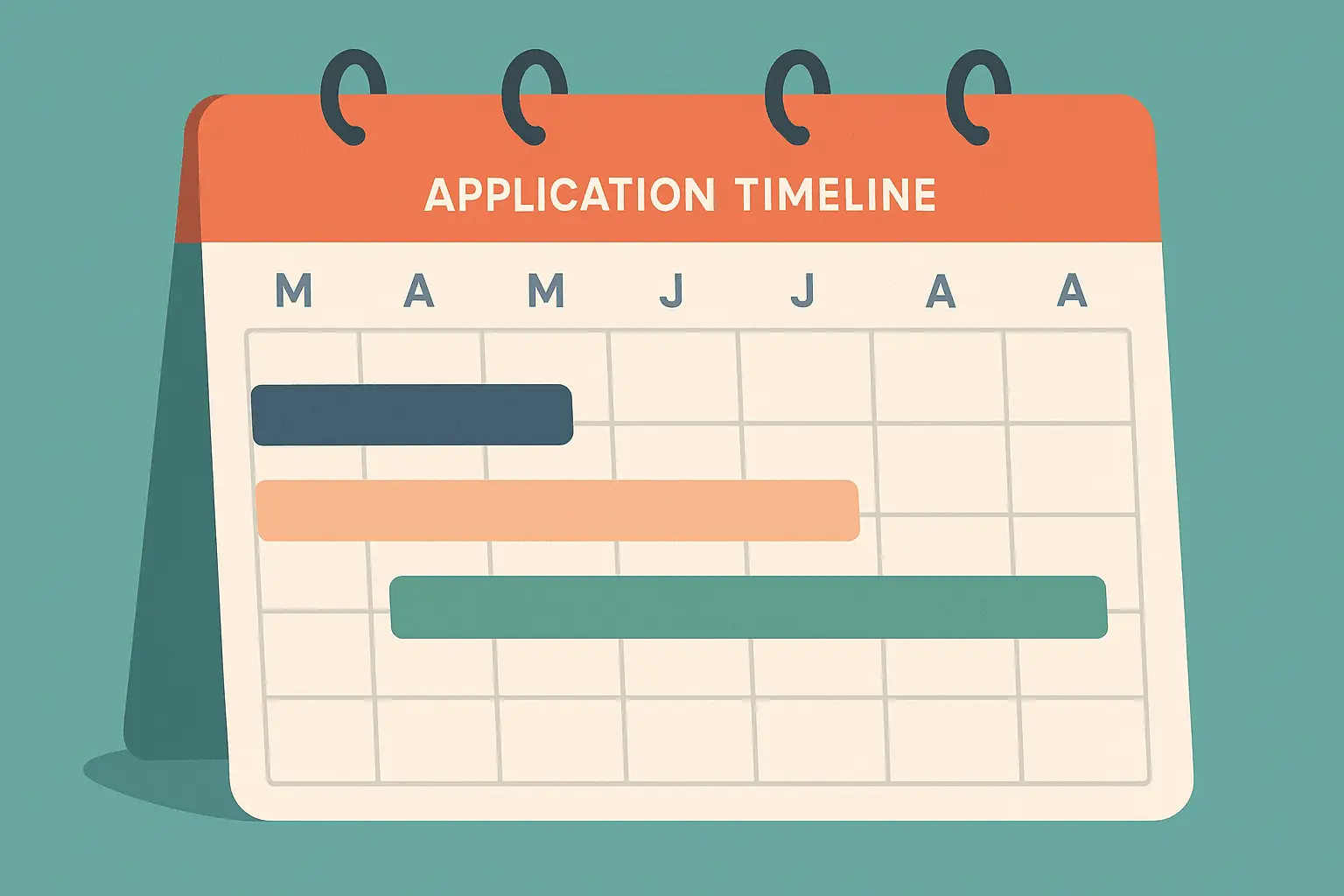
Timing is literally everything when it comes to NYC fall internships. Most students mess this up because they have no idea when different industries actually hire people. Starting 6-8 months ahead isn't just a good idea - it's the difference between having options and scrambling for whatever's left.
Here's the thing: there are basically three phases to this whole process, and each one requires a totally different approach if you want to actually succeed.
The Early Bird Advantage: March Through May
March through May is your golden window. This is when you have the best shot because you're not competing with thousands of other students who are all applying at the same time. Companies are just starting to think about their fall hiring, and they actually have time to look at your application instead of speed-reading through hundreds of them.
When you apply early, hiring managers actually remember you. You're not just another resume in a pile - you're the person who had their act together months ahead of time. That says something about you, and they notice.
Plus, you get to be picky. Instead of taking whatever you can get in the summer rush, you can actually choose between opportunities and find something that's a real fit for what you want to do.
Take Sarah, a junior from Boston University. She started her finance hunt in March and had three interviews lined up by April. While everyone else was still figuring out their spring break plans, she was already talking to Goldman Sachs, JPMorgan, and BlackRock. By applying early, she avoided the summer chaos and actually got personalized feedback from recruiters. All that practice across multiple interviews helped her nail the BlackRock position, and she ended up making $38 an hour.
Peak Application Season: June and July Intensity
June and July? That's when things get absolutely nuts. This is when most fall positions drop, and you need to move fast. I'm talking applications closing within days, hiring managers expecting you to respond to emails within hours, and everyone fighting for the same spots.
If you're applying during peak season, you need to have your stuff ready to go. Templates for quick customization, your schedule completely clear for last-minute interviews, and your references warned that they might get calls any day.
The volume is insane during this period, so your resume and cover letter need to grab attention immediately. Hiring managers are spending maybe 30 seconds on each application, so every single line needs to count.
|
Application Phase |
Timeline |
Competition Level |
Response Time Expected |
Success Strategy |
|---|---|---|---|---|
|
Early Bird |
March-May |
Low |
1-2 weeks |
Take your time, do research, be personal |
|
Peak Season |
June-July |
Brutal |
24-48 hours |
Move fast, have templates ready |
|
Last Chance |
August |
Medium |
Same day |
Show you're available right now |
Last-Chance Opportunities in August
If you're reading this in July and panicking because you haven't started applying yet, breathe. You're not doomed, but you do need to move fast. August actually has some hidden gems - positions that opened up because summer interns canceled, budgets got approved late, or teams realized they needed more help.
These late openings sometimes pay better or give you more responsibility because companies are desperate to fill them quickly. The key is showing that you're ready to start immediately and that you're reliable enough to jump in without a ton of hand-holding.
Don't assume August positions are leftovers. Some of the best opportunities I've seen come up during this period when companies suddenly realize they need extra talent for big fall projects.
Industry-Specific Hiring Patterns and Insider Tips
Every industry in NYC marches to its own beat, and if you don't understand the rhythm, you're going to miss out. Finance moves lightning-fast with early deadlines, tech keeps things flexible with rolling applications, media syncs up with school schedules, and nonprofits... well, they're always waiting for budget approvals.

Finance and Banking: The Early Movers
Wall Street doesn't mess around. Most of their fall internship programs are filled by May, and they run this whole thing like a military operation. Multiple interview rounds, strict deadlines, and they expect you to know your stuff from day one.
Here's what they're not telling you: even if you're not from a "target school," you still have a shot. Focus on showing your analytical skills through projects, coursework, or anything that proves you can handle numbers and pressure. These firms actually want diverse perspectives - they're just not great at advertising that fact.
Networking is huge in finance because a lot of positions get filled through connections before they're even posted publicly. Go to finance events, join LinkedIn groups, reach out to alumni. The finance world in NYC is surprisingly small, and one good connection can open multiple doors.
The money is good - typically $25-40 an hour - but expect long hours and high pressure. If you can handle it, though, it's an incredible way to start your career.
Tech and Startups: Rolling Flexibility
Tech companies in NYC are way more chill about timing. They hire on rolling bases through August, which means you can apply all summer and still find great opportunities. This flexibility is your friend.
Startups especially love people who can wear multiple hats and adapt quickly. NYC's tech scene is everywhere - from the big companies in Chelsea and Flatiron to scrappy startups in Brooklyn. Each environment teaches you different things. Big companies give you structure and mentorship, startups give you hands-on experience and maybe some equity.
According to Simplify's internship data, most tech internships are paid with rates ranging from $25/hour at startups to over $50/hour at big tech companies, significantly higher than other industries. But don't just look at the hourly rate - consider the whole package, including what you'll learn, who you'll meet, and whether they might hire you full-time later.
Tech cares about cultural fit almost as much as technical skills. Show your passion through personal projects, GitHub contributions, or involvement in tech communities. They want to see that you actually love this stuff, not just that you can code.
Media and Creative Industries: Calendar-Driven Hiring
Publishing houses, ad agencies, and media companies sync their hiring with school schedules. Most positions drop in June and July for September starts, so you have a pretty clear window to work with.
These industries care way more about your portfolio and cultural awareness than your GPA. NYC's media landscape is massive - everything from major publishers and TV networks to digital media startups and creative agencies. Traditional media wants formal writing skills and industry knowledge, while digital media prizes social media savvy and content creation.
Your portfolio is everything for media internships. Create samples that show you understand different formats, audiences, and platforms. Whether you want to do journalism, marketing, or content creation, having real examples of your work makes you way more competitive.
The pay is lower than finance or tech - usually $15-25 an hour - but the experience and connections can be invaluable. A lot of successful media people started as interns and built their entire network through these early positions.
Non-Profit and Government: Budget-Driven Timing
Nonprofits and government agencies move slower because they're always waiting for budget approvals. This creates opportunities that pop up later in the summer when other students have given up looking.
These positions offer meaningful work and the chance to make a real impact, even if the pay is lower than private sector jobs. Government internships in NYC span city agencies, federal offices, and politicians' staffs. Many are unpaid but offer academic credit and incredible networking in public service circles.
When applying to nonprofits and government, emphasize your commitment to their mission and any volunteer experience you have. These organizations want interns who actually care about their work, not just people padding their resumes.
Location-Based Networking That Actually Works
NYC's setup is perfect for networking if you know where to go and when to show up. Different industries cluster in different neighborhoods, and each area has its own vibe and peak networking times. The key is understanding where your target industry hangs out and timing your efforts to maximize your chances of meeting decision-makers.
Manhattan Business Districts: Where Industries Cluster
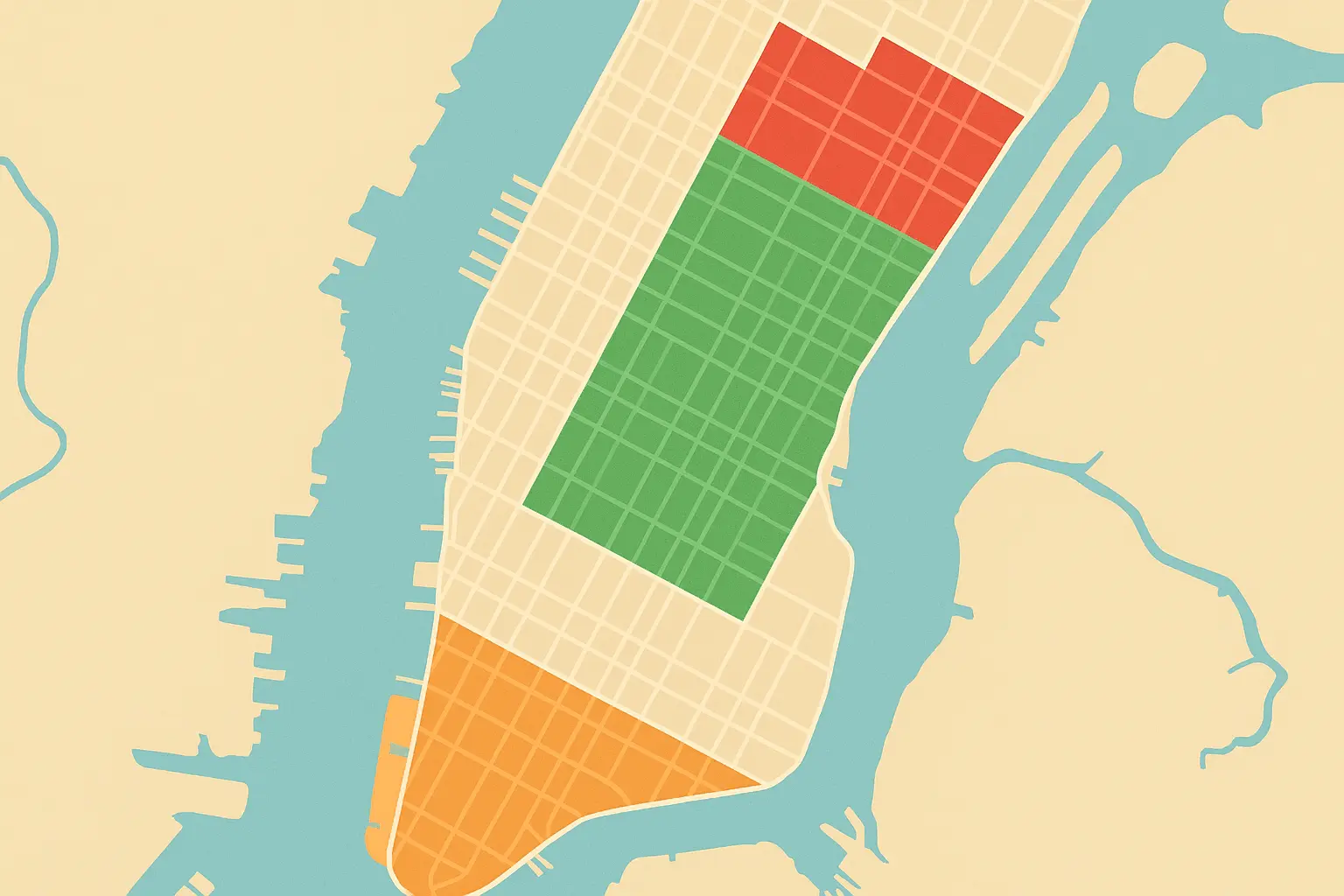
Midtown is where you'll find big corporations, media companies, and consulting firms. The area is buzzing during lunch hours and right after work - perfect for networking events and grabbing coffee with people you want to meet.
The Financial District is still the heart of banking and finance. Early morning coffee meetings and evening events give you access to Wall Street professionals. Just know that these folks start early and work late, so time your outreach accordingly.
Chelsea and Flatiron are NYC's tech hub. Google, Facebook, and tons of startups have made this area their home. The atmosphere is way more casual than Wall Street - think co-working spaces and relaxed meetups rather than formal networking events.
Brooklyn's DUMBO and Williamsburg areas also have growing tech communities that are super welcoming to students and newcomers.
Each area has its own rhythm. Financial District events are formal and structured, while Chelsea tech meetups are casual and collaborative. Understanding these differences helps you prepare appropriately and make better connections.
|
District |
Primary Industries |
Best Networking Times |
Event Types |
Dress Code |
|---|---|---|---|---|
|
Financial District |
Banking, Finance, Insurance |
7-9 AM, 6-8 PM |
Formal mixers, Alumni events |
Suit up |
|
Midtown |
Media, Consulting, Corporate |
12-1 PM, 5-7 PM |
Industry conferences, Lunch events |
Business professional |
|
Chelsea/Flatiron |
Tech, Startups, Digital Media |
6-9 PM, Weekends |
Meetups, Hackathons |
Business casual (actually casual) |
|
DUMBO/Brooklyn |
Creative agencies, Startups |
Evenings, Weekends |
Casual meetups, Co-working events |
Whatever feels right |
Strategic Event Selection and Preparation
Quality beats quantity every time. Don't just show up to every networking event you can find - research who's going, who's speaking, and whether it actually aligns with what you want to do. Industry-specific events are usually better than general networking because people actually have stuff in common to talk about.
Do your homework before you go. Look up attendees on LinkedIn, prepare a few genuine questions - not the boring "what's a typical day like" stuff everyone asks - and have a quick intro ready that highlights what makes you interesting.
Bring business cards (yes, they still matter in NYC) and have a system for following up within 24-48 hours. This is what separates serious networkers from people who just collect business cards and never use them.
Consider volunteering at industry events. Volunteers often get access to speakers and VIP attendees while showing they're committed to the industry. Plus, it gives you natural conversation starters and shows you're there to contribute, not just take.
Marcus, a computer science student from NYU, volunteered at TechCrunch Disrupt in Brooklyn and ended up chatting with a startup founder for 20 minutes while helping with registration. That conversation led to an introduction to their head of engineering, which turned into a fall internship offer at their FinTech company. His volunteer role gave him access to people he never would have met as a regular attendee.
Application Materials That Stand Out in NYC
NYC employers get hundreds of applications for every internship, so your stuff needs to immediately show why you're worth their time. The city 's competitive scene demands polished materials that prove you understand what it's like to work here and that you can handle the pace.
Your resume and cover letter need to tell a story that connects your background to what they need while showing the unique perspective you'll bring to their team.

NYC-Specific Experience and Skills
If you have any NYC experience - internships, jobs, volunteer work, even significant visits - mention it. This shows you actually get what it's like to work here and won't be shocked by the pace and intensity.
If you've navigated the subway, worked with diverse teams, or adapted to the city's craziness, these experiences translate directly to workplace success. Emphasize skills that matter specifically in NYC: being adaptable when things change fast, being comfortable with diversity, working well under pressure, and having cultural awareness.
These soft skills often matter more than technical stuff because they predict whether you'll actually succeed in the city's demanding environment. Show specific results that demonstrate these qualities instead of just listing responsibilities. Don't just say you "worked in a fast-paced environment" - show how you thrived when deadlines got moved up or when you had to collaborate across different departments.
Use active language and industry terms that show you know how to communicate professionally, but keep it authentic to who you are.
Cover Letter Customization for NYC Markets
Your cover letter is where you connect your background directly to the specific company and role while showing you understand NYC's business world. Research the company's recent news, industry challenges, and competitive position so you can write something that shows genuine interest and knowledge.
Generic cover letters get trashed immediately in NYC's competitive market. Address specific requirements from the job posting and explain how your experience prepares you to handle those challenges. Use concrete examples - if they mention teamwork, describe a specific project where you collaborated successfully. If they need analytical skills, give an example of how you used data to solve a problem.
Show enthusiasm for both the role and the chance to work in NYC specifically. Explain what attracts you to the city's business environment and how you plan to contribute to their team's success. This proves you've thought seriously about the commitment required for a NYC internship and aren't just randomly applying to multiple cities.
Keep it concise but impactful - three paragraphs that grab attention, prove your qualifications, and close with a strong call to action. NYC hiring managers appreciate efficiency and clarity, so make every sentence count.
Application Materials Checklist:
- Resume tailored to NYC market expectations
- Cover letter mentioning specific NYC experience or connections
- Portfolio samples relevant to target industry
- Professional references with contact information
- LinkedIn profile optimized for NYC networking
- Email signature with professional contact details
- Digital copies of transcripts and certifications
- Industry-specific work samples or projects
Digital Portfolio and Personal Branding Strategies
Your online presence is working for you 24/7 in NYC's connected professional world, where hiring managers definitely Google you before making interview decisions. A smart digital portfolio shows your professionalism, industry knowledge, and cultural fit while providing real evidence of what you can do.
The trick is creating consistent branding across platforms that reinforces your value and makes you memorable to potential employers.
LinkedIn Optimization for NYC Networks
LinkedIn is basically NYC's digital networking headquarters, where professionals actively share industry insights, job opportunities, and make hiring decisions. Your profile needs to immediately communicate what you're about through a professional headshot, compelling headline, and summary that speaks directly to your target audience.
Use keywords relevant to your desired industry and role so recruiters can actually find you when they're searching for candidates. Connect strategically with NYC professionals in your target industries, but always personalize connection requests with specific reasons for wanting to connect.
Join NYC-specific LinkedIn groups related to your field, participate in discussions, and share relevant content that shows your industry knowledge. This activity increases your visibility and establishes you as someone who's actually engaged with the professional community.
Your LinkedIn activity should reflect that you understand NYC business trends and challenges. Share articles about local industry developments, comment thoughtfully on posts from NYC professionals, and publish your own content that showcases your insights. This consistent engagement builds your reputation and keeps you visible to your network.
Use LinkedIn's alumni tool to find graduates from your school working in NYC, then reach out for informational interviews or advice. Alumni often respond positively to fellow graduates and can provide insider perspectives on companies and industries you're targeting.

Portfolio Websites and Professional Social Media
A personal website serves as your digital headquarters, giving you complete control over how you present your professional brand. Keep the design clean and professional while ensuring fast loading times and mobile responsiveness - NYC professionals often browse on their phones during subway commutes.
Include sections for your resume, portfolio samples, contact information, and a brief bio that reinforces your personal brand. Clean up your social media presence to support your professional goals. You don't need to eliminate personal content entirely, but make sure anything publicly visible reinforces your professional image.
Consider creating separate professional accounts for platforms like Twitter or Instagram if you want to maintain personal accounts with different content. Showcase work samples that demonstrate your capabilities and understanding of your target industry. For business roles, include analytical projects, presentations, or research papers.
Creative fields require visual portfolios with diverse samples that show your range and technical skills. Always provide context for your work samples, explaining the challenge, your approach, and the results you achieved. Include testimonials or recommendations from professors, previous employers, or colleagues who can speak to your work quality and professional character.
These third-party endorsements add credibility to your self-presentation and provide social proof of your capabilities.
Industry-Specific Personal Branding
Different NYC industries have distinct cultural expectations that should influence your personal branding strategy. Finance values conservative professionalism, polished presentations, and demonstrated analytical capabilities. Tech companies appreciate authenticity, innovation, and evidence of technical curiosity through personal projects or contributions to open-source communities.
Media and creative industries want to see personality, cultural awareness, and portfolio pieces that demonstrate your understanding of current trends and audience engagement. Tailor your online presence to match the culture of your target industry while staying authentic to who you are.
Financial services candidates should emphasize analytical achievements, leadership experience, and professional accomplishments. Tech candidates can showcase coding projects, hackathon participation, or innovative solutions to real-world problems. Creative industry candidates need portfolios that demonstrate both technical skills and cultural sophistication.
Research professionals in your target companies to understand the tone and content that resonates in their industry. Notice how they present themselves, what they share, and how they engage with their networks. This research helps you calibrate your own approach to match industry expectations while standing out through your unique perspective and experiences.
Consistency across all platforms reinforces your personal brand and makes you more memorable to potential employers. Use similar professional photos, consistent messaging about your goals and values, and complementary content that builds a cohesive narrative about who you are and what you offer.
Interview Mastery for NYC's Unique Environment
NYC interviews come with unique challenges that require specific preparation beyond standard interview techniques. The city's density creates technical difficulties for virtual interviews, while in-person meetings demand navigation skills and backup plans for when the subway inevitably screws you over.
Understanding industry-specific cultural expectations and proving you're ready for NYC's fast-paced professional environment can make the difference between landing your dream internship and watching it slip away.

Virtual Interview Excellence in Urban Settings
Virtual interviews in NYC face unique technical challenges because half of Manhattan is trying to use WiFi at the same time, and the city's aging infrastructure can't always handle it. Internet connectivity can be sketchy, especially during peak hours, and background noise from traffic, construction, or your upstairs neighbor can mess up your presentation.
Test your tech setup multiple times, have backup internet options ready, and schedule interviews to avoid your building's peak usage times if possible. Create a professional background that looks good without being distracting. Skip virtual backgrounds - they glitch and make you look unprepared.
Position yourself in front of a clean wall or bookshelf instead. Lighting matters a lot - face a window or get a simple ring light so your face is clearly visible.
Prepare for interruptions by having backup plans ready. If your internet craps out, have a phone number ready to continue the conversation. If construction noise gets overwhelming, acknowledge it professionally and suggest rescheduling if necessary. Your grace under pressure shows exactly the kind of adaptability NYC employers want in their interns.
According to Simplify's data, tech internships typically involve 1-2 technical rounds with leetcode-style or debugging-focused questions, while startups may skip formal tests in favor of discussing personal projects.
Practice your virtual interview skills with friends or family to identify potential issues before they matter. Record yourself answering common questions to check your eye contact, body language, and how clearly you're speaking. These technical skills have become essential for professional success in NYC's increasingly hybrid work environment.
In-Person Interview Navigation and Logistics
Getting to in-person interviews in NYC requires military-level planning because the subway will definitely mess with you at the worst possible moment. Plan to arrive 30-45 minutes early, then find a nearby coffee shop where you can review your notes and get your head together before the actual meeting.
This buffer time eliminates stress and ensures you show up calm and confident. Research multiple routes to your interview location and have backup options ready. Download Citymapper right now - trust me, Google Maps will fail you when you're running late and the L train decides to have "signal problems."
Check MTA service alerts the morning of your interview and leave extra time for any reported delays or service changes. Consider taking a taxi or Uber for really important interviews if your budget allows it.
Dress appropriately for both the weather and your target industry's culture. NYC's professional standards tend to be more formal than other cities, but each industry has its own expectations. Finance requires conservative business attire, while tech companies may accept business casual. When in doubt, err on the side of being slightly overdressed rather than too casual.
That "business casual" dress code in finance? That still means a suit. Don't test it.
Bring physical copies of your resume, portfolio samples, and a list of thoughtful questions about the role and company. Even though most stuff is shared digitally, having hard copies shows preparation and provides backup if technology fails. Include a small notebook for taking notes during the interview, which shows engagement and professionalism.
Interview Day Checklist:
- Multiple subway routes planned with backup options
- MTA service alerts checked morning of interview
- Professional outfit appropriate for industry and weather
- Physical copies of resume and portfolio materials
- List of thoughtful questions about the role and company
- Notebook and pen for taking notes
- Phone charger and backup power source
- Contact information for interviewer and HR
- Arrive 30-45 minutes early with nearby coffee shop identified
Industry Culture and Professional Expectations
Financial services interviews in NYC follow formal protocols with multiple rounds, case studies, and behavioral questions designed to test your analytical thinking and cultural fit. Prepare for technical questions about market trends, financial concepts, and your ability to work under pressure.
Show your knowledge of current market conditions and the specific challenges facing their industry. Don't be the person who shows up to a Wall Street interview in khakis. I've seen it happen, and it's not pretty.
Creative industry interviews focus heavily on portfolio review and cultural fit. Prepare to discuss your creative process, where you get inspiration, and how you stay current with industry trends. These conversations tend to be more collaborative and less formal, but don't mistake casual atmosphere for lower standards. Creative professionals in NYC are highly competitive and expect exceptional work quality.
Tech startup interviews often include technical challenges, problem-solving exercises, and discussions about your ability to work in ambiguous, rapidly changing environments. Prepare examples of how you've adapted to change, learned new skills quickly, or contributed to team success in challenging circumstances. Startups value versatility and initiative over narrow specialization.
Government and nonprofit interviews emphasize your commitment to their mission and your understanding of public service or social impact work. Research their recent initiatives, funding challenges, and policy priorities. Prepare thoughtful questions about how you can contribute to their goals and show genuine interest in their work beyond just gaining experience.
Jessica prepared for her Goldman Sachs interview by studying recent market volatility and its impact on investment banking. When asked about current market conditions, she referenced specific deals that had been affected by interest rate changes and proposed how the firm might adapt their advisory strategies. Her preparation showed both technical knowledge and strategic thinking, helping her secure the position over candidates with higher GPAs but less market awareness.
Also, "I want to work in NYC because it's exciting" is not a good answer. They know it's exciting. Tell them why you want to work for THEM.
Housing Solutions for Fall Interns
Finding a place to live is one of the biggest headaches facing fall interns in NYC, where the rental market definitely wasn't designed for short-term academic schedules and student budgets. The timing of fall internships makes it even worse since most leases run on calendar years rather than academic terms.
Smart housing choices can seriously impact your internship success by reducing stress, cutting down commute times, and giving you the stability you need to focus on your professional development. Understanding how it works can significantly simplify your internship preparation and eliminate housing-related stress during your professional experience.

Student Housing: Flexibility Meets Convenience
Student housing providers actually understand what interns need and offer solutions specifically designed for short-term stays with flexible lease terms. These places typically include furnished rooms with beds, desks, storage, and shared common areas so you don't have to buy furniture for a four-month stay.
The all-inclusive approach removes the headache of setting up utilities, internet, and other essential services - so you don't have to deal with ConEd putting you on hold for 45 minutes just to get electricity turned on.
Flexible lease terms work with the weird schedules of academic internships, letting you move in when your internship starts rather than forcing you into calendar-month commitments. Many providers offer lease lengths that match common internship durations, from three-month fall programs to semester-long commitments through December.
Shared living arrangements in student housing create built-in networking opportunities with other interns and students pursuing similar goals. These connections often prove valuable for both personal support and professional networking, as your housemates may be working in different industries or companies throughout NYC.
Properties like The Clark House exemplify the furnished, flexible accommodations that eliminate setup stress for busy interns focused on their professional development.
The furnished nature of student housing eliminates the stress and expense of furnishing a temporary living space. Everything from bedding and desk supplies to kitchen equipment is typically provided, allowing you to focus on your internship rather than shopping for household necessities.
Strategic Location Selection for Maximum Success
Proximity to multiple subway lines should be your top priority when picking housing, as this gives you flexibility for commuting to various internship locations throughout NYC. Areas served by multiple train lines offer backup options when service disruptions occur and provide access to different parts of the city for networking events and professional activities.
You know that feeling when the 6 train is delayed and you're already 10 minutes late? Yeah, plan for that by living near multiple options.
Consider neighborhoods that balance affordability with reasonable access to major business districts. Areas like Astoria, Long Island City, and parts of Brooklyn offer more affordable housing while maintaining decent commute times to Manhattan's major employment centers. These neighborhoods also provide authentic NYC living experiences without the premium costs of Manhattan locations.
Manhattan locations like The Central Park Manhattan House offer proximity to major business districts while providing the professional environment that supports internship success.
Check out neighborhood amenities that support your daily life during the internship. Access to grocery stores, banks, pharmacies, and cafes reduces the time and effort required for essential errands. Neighborhoods with good restaurant options and cultural activities also enhance your overall NYC experience during your internship.
Safety considerations become particularly important when you're unfamiliar with NYC neighborhoods. Research crime statistics, read recent reviews from other students, and visit potential neighborhoods at different times of day to get a realistic sense of the environment. Well-lit streets, active foot traffic, and proximity to subway stations contribute to safer living situations.
Budget Management and Payment Flexibility
Online payment systems offered by student housing providers eliminate the need for traditional banking relationships or credit history that can be barriers for students. These platforms typically accept various payment methods and allow flexible scheduling that aligns with financial aid disbursements or family support timing.
Cost-effective shared accommodations provide significant savings compared to traditional NYC rental markets while offering better amenities than many budget alternatives. When evaluating costs, consider the total value including utilities, internet, furniture, and location convenience rather than just base rent prices.
Upper Manhattan options like The Upper Manhattan House show how strategic location choices can provide cost-effective solutions without sacrificing access to internship opportunities.
Budget planning for NYC housing should account for additional costs beyond rent, including transportation, food, and entertainment expenses that vary significantly by neighborhood. Areas with higher rent may offer savings in transportation costs if they reduce your commute time and subway expenses.
Consider the financial benefits of housing that includes utilities and internet in the monthly cost, as these services can be expensive and complicated to set up for short-term stays. All-inclusive pricing provides budget predictability and eliminates surprise expenses that can strain student finances.
Salary Negotiation in High-Cost NYC Markets
Negotiating internship pay in NYC requires understanding both market rates and the city's insanely high cost of living that impacts what you actually need to survive. The key is researching industry standards, calculating your minimum requirements based on real NYC expenses, and presenting your value in terms that make sense to employers who understand the city's financial realities.
Successful negotiation balances professionalism with practical needs while demonstrating your worth to the organization.
Market Rate Research and Cost Analysis
Industry pay varies dramatically across NYC's diverse professional landscape, with finance and tech internships typically offering $25-40 per hour while media and nonprofit positions may provide $15-25 per hour or stipend arrangements. Research specific companies and roles using Glassdoor, PayScale, and industry-specific salary surveys to establish realistic expectations for your target positions.
Let's talk real numbers here. Calculate your actual living costs in NYC to figure out your minimum acceptable compensation. Housing costs range from $1,000-3,000 per month depending on location and accommodation type, while transportation adds approximately $130 monthly for unlimited MetroCard access.
Daily expenses for food, entertainment, and incidentals can easily hit $50-75 per day in Manhattan. If you're making $25/hour and working 40 hours a week, that's $1,000 before taxes. In NYC, that's... tight.
According to Simplify's comprehensive internship tracking, finance and consulting roles often pay a flat weekly or monthly stipend, while nonprofits and media internships may be unpaid or offer a modest stipend, though some offer housing perks or academic credit.
Factor in the opportunity cost of unpaid or low-paid internships against the potential career benefits and networking opportunities they provide. Some positions offer exceptional learning experiences, mentorship, or industry connections that justify lower immediate compensation in favor of long-term career advancement.
Consider the total compensation package beyond hourly wages, including benefits like transportation allowances, meal stipends, professional development opportunities, or housing assistance that some companies provide to help offset NYC's high costs.
Negotiation Strategies and Timing
Develop your value proposition by clearly explaining the unique skills, academic achievements, and perspectives you bring to the organization. Fall internships in NYC often have advantages over summer candidates because you're available when most students are in classes, providing companies with dedicated talent during busy periods. Emphasize your commitment and availability as competitive advantages.
Time your compensation discussions appropriately by waiting until you receive an offer but addressing concerns before accepting the position. This shows professionalism while ensuring you have leverage in the conversation. Prepare your research and talking points in advance so you can respond confidently when the opportunity comes up.
Consider alternative compensation requests when base salary isn't negotiable, like housing stipends, transportation allowances, flexible work arrangements, or professional development opportunities. Many companies have more flexibility with these benefits than with hourly wages, and they can significantly impact your overall financial situation.
Document any agreements in writing before starting your internship to avoid misunderstandings later. Email confirmations of compensation, benefits, and other arrangements protect both you and your employer while ensuring clear expectations for the working relationship.
Salary Negotiation Template:
"Thank you for the internship offer. I'm really excited about the opportunity to contribute to [Company Name]. Based on my research of NYC market rates for similar positions and the city's cost of living, I'd like to discuss the compensation package. Given my [specific skills/experience], I believe [proposed amount/benefits] would be appropriate. I'm also open to discussing alternative arrangements like transportation allowances or flexible work options that could help offset NYC's high living costs. I look forward to finding something that works for both of us."
Student Housing Works understands the financial pressures facing NYC interns and offers flexible payment options and competitive rates that help make your internship financially viable through properties like The Lexington House. Our all-inclusive pricing eliminates surprise expenses, while our strategic locations near major subway lines can reduce your transportation costs and commute time, effectively increasing your take-home value from any internship compensation package.
Final Thoughts
Landing a fall internship in NYC takes strategic planning, industry knowledge, and practical preparation that goes way beyond just sending out applications. Your success depends on understanding the unique timing patterns of different industries, building real professional relationships, and presenting yourself as someone ready to thrive in the city's demanding professional environment.
Look, if you're feeling overwhelmed reading this, that's totally normal. Everyone feels that way before their first NYC internship. The investment in thorough preparation pays off not just in landing the internship, but in making the most of the experience once you get there.
The housing part of your internship planning deserves as much attention as your application strategy because unstable or inconvenient living situations can mess up even the best professional opportunities. You're going to get ghosted. A lot. It's not personal, it's just NYC. I've seen people apply to 50+ places and hear back from maybe 5. That's normal.
Student Housing Works addresses these critical needs by providing flexible lease terms that align with internship timelines through locations like The Hamilton House, fully furnished accommodations that eliminate setup stress, and strategic locations that support your professional success throughout NYC.
Your fall internship in NYC represents more than just resume building - it's a chance to test your professional capabilities in one of the world's most competitive markets while building networks that can shape your entire career. The preparation you invest now in understanding industry cultures, developing your personal brand, and securing appropriate housing creates the foundation for not just surviving but absolutely crushing your NYC internship experience.
Here's what no one tells you: you'll probably eat way more bodega sandwiches than you planned, the subway will teach you patience you didn't know you had, and you'll walk away from this experience with stories, connections, and confidence that will serve you for the rest of your career. It's expensive, exhausting, and incredible all at the same time.