
So you want to break into NYC's design scene? I get it. The city's creative energy is intoxicating, but landing that first internship can feel like trying to get into an exclusive club where everyone knows the secret handshake except you.
With over 277,524 graphic designers employed nationwide and the average yearly wage reaching $60,640 in 2023, the design industry continues to offer promising career opportunities for creative professionals. New York City stands at the epicenter of this thriving field, hosting some of the world's most prestigious agencies, innovative startups, and influential brands that shape visual culture globally.
Table of Contents
- Where to Actually Look (Hint: Not Just Indeed)
- Making Your Portfolio Stand Out in a Sea of Behance Clones
- What It's Really Like Working at Different Types of Places
- When to Actually Apply (Timing Matters More Than You Think)
- Presenting Your Work Without Dying of Nervousness
- Making Your Internship Count: Growth and Real Networking
- Turning Your Experience Into Career Gold
- Solving the NYC Housing Nightmare for Interns
TL;DR
- NYC's design internship market is competitive but totally doable with the right approach and timing
- Your portfolio needs 8-12 strong pieces showing messy process work, not just perfect finals
- Agencies offer variety and breakneck pace, while in-house roles let you dive deep into one brand
- Summer internships have brutal competition - fall and spring applications are where smart people focus
- Most legit NYC internships now pay $15-25/hour thanks to labor laws
- Real networking happens at coffee shops and design meetups, not just formal events
- Document absolutely everything during your internship for future portfolio gold
- Many companies use internships as extended interviews for full-time positions
Where to Actually Look (Hint: Not Just Indeed)
Where the Real Opportunities Hide
Look, you've probably already got Indeed bookmarked and you're refreshing LinkedIn every hour. But here's what I wish someone had told me when I was hunting for my first break: the best opportunities are hiding in places you haven't even thought to check yet.
Sure, set up those alerts for "graphic design intern NYC" - but everyone and their roommate is doing that too. The real gold is on Creative Hotlist and AIGA Design Jobs, where boutique agencies post openings that never make it to the big boards. These places actually care about finding someone who gets design, not just someone who can use Photoshop.
I found my first internship through a Discord server at 1 AM. Seriously. There are these design communities where creative directors will drop "hey, we need an intern next week" messages before they even think about posting officially. It's like having insider info, except it's totally accessible if you know where to look.
Dribbble Jobs has become a goldmine for startups looking for fresh perspectives, while Behance Jobs often features graphic design internship opportunities at companies that actually understand design culture. The secret weapon? Industry-specific Slack communities where you'll hear about opportunities weeks before they hit public boards.
Last month, my friend found her dream gig through Creative Hotlist - a Brooklyn studio working with sustainable fashion brands. The posting was up for maybe three days before they found someone. Meanwhile, the same generic positions on Indeed were getting hundreds of applications from people who clearly copy-pasted their cover letters.
Building Connections That Actually Matter
Networking sounds gross and fake, right? But it doesn't have to be about collecting business cards at stuffy events (though AIGA NY events are actually pretty cool). It's more like... finding your design family.
Those portfolio reviews at design schools? Half the reviewers are working professionals who remember exactly what it felt like to be in your shoes. They're not there to crush your dreams - they want to help. I've seen people land graphic design intern positions just because they asked thoughtful questions during a crit.
Here's something that actually works: informational interviews. I know, I know, it sounds terrifying. But most designers will grab coffee with you if you approach it right. Don't ask for jobs - ask about their work, their career path, what they wish they'd known at your stage. These conversations have led to more referrals than any application I've ever submitted.
The design community here is way smaller than you think. That person you meet at a typography talk in Brooklyn might end up being your boss's friend. Show up consistently, contribute to discussions, and follow up with people you connect with. Reputation travels fast in this city.
Making Your Portfolio Stand Out in a Sea of Behance Clones
Portfolio Strategies That Actually Work
Your portfolio isn't a greatest hits album - it's more like a strategic argument for why you're perfect for each specific graphic design internship. Eight to twelve pieces hits that sweet spot where you show range without losing focus. Include work that demonstrates different skills: brand identity, digital design, print work, maybe some experimental pieces that show your creative thinking.
But here's what separates student work from professional portfolios: process work. Show your messy sketches, your iterations, the ideas that didn't work. Creative directors want to see how your brain works, not just the final pretty picture. For every project, tell the story - what problem were you solving? How did you get there? What would you do differently?
I cringe thinking about my first portfolio. It was all final pieces with no context, designed to look "professional" but actually just boring. The portfolio that got me my first internship? It had coffee-stained sketches and honest reflections about what I learned from each project.
Maintain visual consistency across your portfolio presentation, whether it's a website, PDF, or physical book. Your portfolio design should reflect who you are as a designer without overshadowing the actual work. Clean, professional layouts let your projects shine while demonstrating your understanding of hierarchy and composition.
|
Portfolio Element |
Recommended Quantity |
Purpose |
|---|---|---|
|
Brand Identity Projects |
2-3 pieces |
Show systematic thinking and brand development |
|
Digital Design Work |
3-4 pieces |
Demonstrate screen-based design skills |
|
Print/Editorial Projects |
2-3 pieces |
Prove understanding of production and typography |
|
Experimental/Personal Work |
1-2 pieces |
Reveal creative personality and innovation |
|
Process Documentation |
For each project |
Showcase problem-solving methodology |
Resumes and Cover Letters That Get Read
Your resume is competing against kids from Parsons, SVA, and Pratt. That's intimidating, but remember - they're looking for potential, not perfection. Highlight everything relevant: coursework, personal projects, that logo you made for your friend's band. It all counts. Use clean formatting that shows your design sense without going overboard on creativity.
Cover letters either make you or break you in creative fields. I've seen amazing portfolios get ignored because of generic cover letters that could've been sent to any company. Research the company's recent work, clients, and design philosophy. Reference specific projects that resonate with you and explain how your skills align with their needs. Generic cover letters get deleted immediately.
The cover letter you send to a scrappy startup should sound completely different from one going to a traditional agency. Show that you understand their vibe and can contribute to their specific world.
Internship Application Checklist:
- Customized portfolio for target company/industry
- Resume highlighting relevant design experience
- Tailored cover letter referencing specific company work
- Professional email address and LinkedIn profile
- Online portfolio with mobile-responsive design
- PDF backup of portfolio for email attachments
- Contact information for 2-3 professional references
- Work samples that demonstrate requested skills
What It's Really Like Working at Different Types of Places
Agency Life vs. In-House Reality
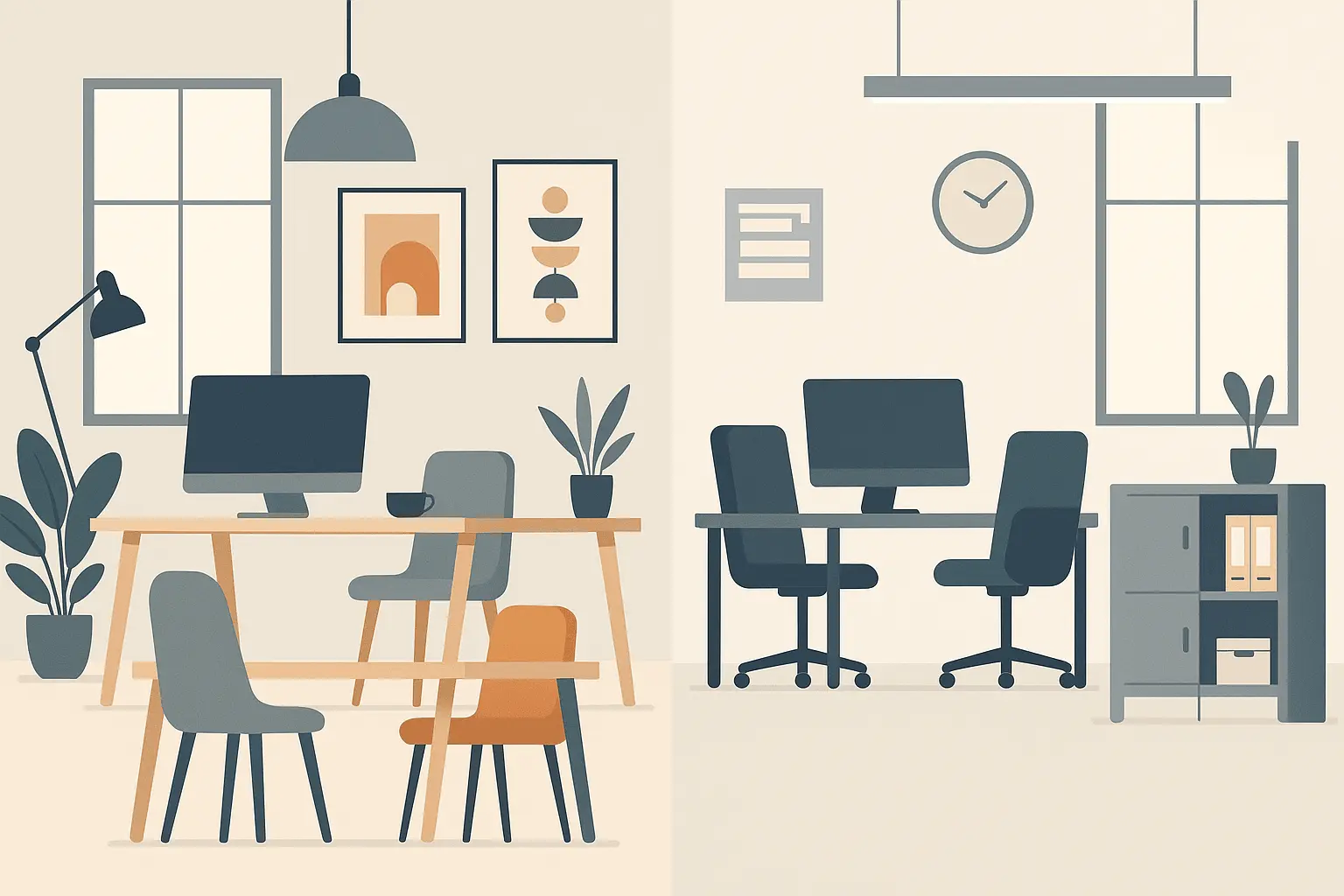
Agency graphic design internships throw you into the deep end fast. You'll juggle multiple clients simultaneously, face crazy deadlines, and learn to work with account people who speak a completely different language than designers. The pace can be absolutely insane, but you'll gain broad experience quickly and build a diverse portfolio.
The mentorship at agencies is usually solid because they're structured around developing talent. Senior designers expect to guide junior team members - it's part of the culture. As a graphic design intern you'll likely receive regular feedback on your work. However, work-life balance can be challenging, especially during pitch seasons or major campaign launches. Let's just say you'll become very familiar with late nights.
In-house positions let you dive deep into one brand's world and may give you real influence on long-term brand decisions. You'll understand their visual language inside and out, and projects move more deliberately, allowing for thorough exploration and refinement. The trade-off? Less variety in your day-to-day work and potentially slower skill development across different design disciplines.
Recent developments show how design education institutions are adapting to industry needs. "Students collaborated with Disney on Broadway for a theater display to celebrate The Lion King musical's 25th anniversary, worked with the James Beard Foundation and global non-profit WildAid on a food waste campaign for billboards across major U.S. cities" according to SVA's BFA Design program, demonstrating how academic projects increasingly mirror real-world agency collaborations.
Startup Culture vs. Corporate Structure
Startups are where you wear seventeen different hats and somehow end up designing everything from Instagram posts to product interfaces in the same day. You might design marketing materials in the morning and work on user interface elements in the afternoon. This variety accelerates learning but can also feel overwhelming without clear structure for a graphic design intern.
Tech companies in NYC often blur the lines between graphic design and UX/UI work. If you're curious about digital product design, these graphic design internships give you valuable experience with user research, prototyping, and iterative design processes. The compensation tends to be higher, and the office perks are usually pretty great.
Corporate environments offer structure and resources that smaller places can't match. You'll have access to professional development programs, established mentorship systems, and clear advancement paths. The work might feel less cutting-edge, but you'll learn valuable skills in brand consistency and large-scale design implementation.
Understanding Compensation Reality
Most legit graphic design internships in NYC pay now - typically ranging from $15-25 per hour for entry-level positions. Labor laws have pushed companies away from unpaid internships, and honestly, competitive market conditions mean paid positions attract better candidates.
With specialized design services employing 41.5% of graphic designers according to DataUSA workforce analysis, the industry's structure creates numerous internship opportunities across different company types and compensation levels.
Unpaid internships still exist but are legally required to provide significant educational value. They're becoming less common and often signal companies that don't really value design properly. Be cautious about unpaid positions unless they offer exceptional learning opportunities or connections you literally can't find elsewhere.
Think about the total value package beyond hourly wages. Some graphic design intern positions include professional development workshops, portfolio reviews, industry event tickets, or software licenses. These benefits can be worth hundreds of dollars and provide long-term career value that exceeds immediate compensation.
A recent posting from the NYC Campaign Finance Board offers a graphic design internship requiring "Adobe applications including Illustrator, InDesign, Photoshop, After Effects, and Animate" while providing experience in social media design, statistical infographics, and collaborative design processes for a city agency serving five million New Yorkers.
When to Actually Apply (Timing Matters More Than You Think)
Seasonal Hiring Patterns You Need to Know
Everyone applies for summer graphic design internships in January and February. Everyone. You're competing against every design student in the country during this window, with decisions typically made by March or April. The odds aren't great.
Fall and spring graphic design internships are where smart people focus their energy. Companies often use these seasons to evaluate potential full-time hires or cover for employee sabbaticals. The application pools are smaller, hiring managers have more time to review portfolios thoroughly, and you're not drowning in a sea of applications.
Rolling applications happen year-round at startups and smaller agencies. These opportunities pop up suddenly due to project needs or team changes. Keep your application materials updated and ready to fire off quickly when these graphic design internship positions appear out of nowhere.
|
Application Season |
Competition Level |
Application Deadline |
Decision Timeline |
Best For |
|---|---|---|---|---|
|
Summer (June-August) |
Very High |
January-February |
March-April |
Traditional academic schedule |
|
Fall (September-December) |
Medium |
June-August |
August-September |
Full-time evaluation period |
|
Spring (January-May) |
Medium-Low |
October-December |
December-January |
Project-based needs |
|
Rolling Year-Round |
Variable |
Ongoing |
1-4 weeks |
Startup opportunities |
Interview Preparation That Works
Portfolio presentations separate the confident candidates from the nervous ones. Practice explaining your work out loud - focus on your design process rather than just showing pretty pictures. Anticipate questions about how you handle feedback, work within brand guidelines, and collaborate with people who don't speak design.
Many interviews include practical components
Many interviews include practical components - design challenges, software tests, or collaborative brainstorming sessions. Stay current with industry-standard tools including Adobe Creative Suite, Figma, and Sketch. Practice working under time pressure and explaining your decisions as you work.
They're evaluating cultural fit as much as design skills. Prepare thoughtful questions about company culture, growth opportunities, and current projects. Research their recent work and industry positioning to demonstrate genuine interest and preparation. Show that you actually want to work there, not just anywhere.
Presenting Your Work Without Dying of Nervousness
Presenting Your Work Like a Pro
Your portfolio presentation tells a story about your growth as a graphic design intern candidate. Start with your strongest piece to grab attention, then vary the types of projects to show range. Spend more time on process than final outcomes - creative directors want to understand how you think and solve problems, not just admire your Dribbble shots.
Practice your presentation timing. You'll typically have 15-20 minutes to walk through your work, so plan accordingly. Prepare for interruptions and questions - they're signs of engagement, not criticism. Be ready to discuss challenges you faced, decisions you made, and what you learned from each project.
Always have backup materials and be prepared for technical difficulties. Have your portfolio available in multiple formats - online, PDF, and physical prints if appropriate. Technology fails at the worst moments, so always have alternatives ready. I once had to present my entire portfolio from printed screenshots because the WiFi decided to quit five minutes before my interview.
Portfolio Presentation Structure:
- Opening Hook (2 minutes) - Strongest project with clear problem/solution
- Process Deep-Dive (5-7 minutes) - 2-3 projects showing methodology
- Range Demonstration (5-7 minutes) - Different skills and mediums
- Personal Work (3-4 minutes) - Creative personality and passion projects
- Questions & Discussion (5+ minutes) - Interactive engagement
Technical Skills That Matter
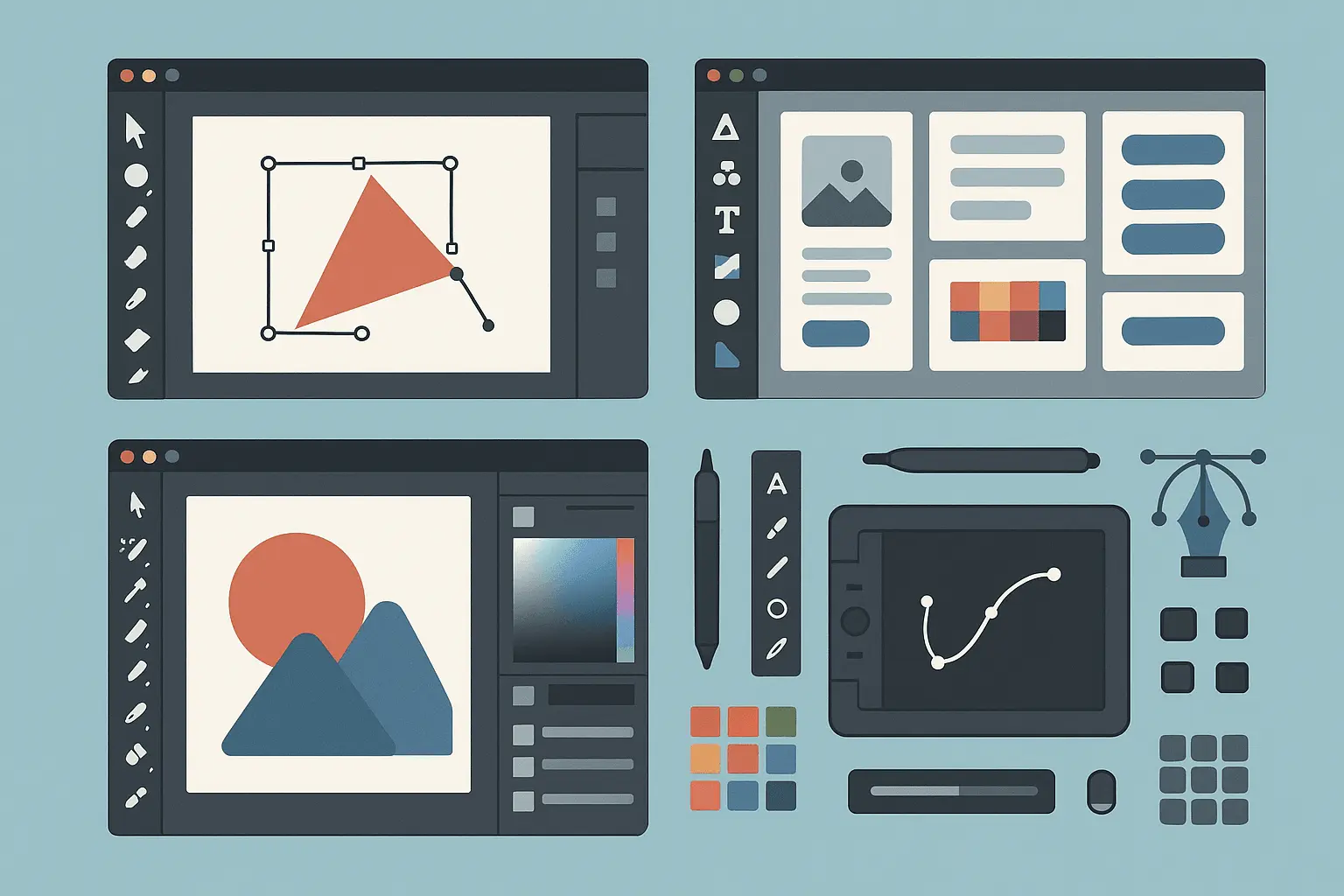
Adobe Creative Suite proficiency is non-negotiable, but don't stop there. Figma has become essential for collaborative design work, while Sketch remains popular at many agencies. Familiarize yourself with project management tools like Asana or Monday.com - you'll likely use them daily as a graphic design intern.
Design challenges test your ability to work under pressure and communicate your thinking. Practice with timed exercises: create a logo concept in 30 minutes, design a social media campaign in an hour, or solve a user experience problem in two hours. Focus on process over perfection - they want to see how you think, not just what you can produce under pressure.
Stay current with design trends and industry news. Follow design blogs, subscribe to newsletters, and engage with design communities on social media. Interviewers often ask about recent work that's inspired you or trends you're excited about. Having thoughtful opinions about the industry shows you're serious about this career path.
Making Your Internship Count: Growth and Real Networking
Building Relationships That Last
Find senior designers whose work you admire and approach them for informal mentorship. Don't ask for generic career advice - come with specific questions about their design philosophy, career decisions, or industry insights. Schedule regular check-ins to discuss your progress and seek portfolio feedback. Most designers remember what it was like starting out and genuinely want to help.
Use downtime strategically to expand your skill set. Learn new software, explore design trends, or volunteer for additional responsibilities. Position yourself as a graphic design intern who's eager to learn and can handle diverse challenges, from social media graphics to presentation design.
Document everything throughout your internship. Keep records of projects you've worked on, skills you've developed, and feedback you've received. This documentation becomes invaluable when updating your portfolio and preparing for future job applications.
The evolving landscape of design education reflects industry partnerships that benefit interns. "Most fashion internships are not paid, and it can be challenging for fashion students who are required to do internships for credit to graduate to balance school and an internship and then also a job that pays. One of the highlights of this program is the students are being paid for their time" according to Pratt's internship coordinator, highlighting how educational institutions are creating better-compensated opportunities for creative students.
Networking Beyond Your Desk
Connect with colleagues across different departments to understand how design integrates with marketing, product development, and business strategy. These cross-functional relationships often lead to future collaboration opportunities and job referrals. That product manager you grab lunch with might end up at your dream company next year.
Attend design events, workshops, and conferences while you're in NYC. Your graphic design internships give you credibility and conversation starters when meeting other professionals. Join AIGA NY, participate in portfolio reviews, and engage with design communities online and offline. Coffee shop conversations are where the real networking happens - I've gotten more leads from casual chats at Joe Coffee than from formal events.
Maintain relationships after your internship ends. Share updates about your career progress, congratulate former colleagues on their achievements, and offer assistance when appropriate. These connections often prove valuable years later when you're seeking full-time positions or freelance opportunities.
A former Pentagram intern leveraged relationships built during their three-month graphic design intern experience to secure freelance projects with two different studios, receive portfolio feedback from senior partners, and ultimately land a full-time position at a competing agency - all within 18 months of completing the internship.
Turning Your Experience Into Career Gold
Turning Internships Into Job Offers
Many companies use graphic design internships as extended interviews for potential full-time hires. Exceed expectations on assigned projects while proactively identifying areas where you can contribute additional value. Propose new ideas, volunteer for challenging assignments, and consistently deliver work that reflects positively on your potential.
Understand your company's hiring timeline and budget cycles. Many organizations make full-time hiring decisions during specific periods. Learn these patterns and time conversations about permanent opportunities accordingly. Express interest early but respect their processes - being pushy rarely works in your favor.
Build relationships with decision-makers beyond your immediate supervisor. Contribute to team meetings, participate in company events, and make yourself visible to senior leadership. When hiring decisions are made, you want multiple advocates speaking on behalf of your graphic design intern performance.
Internship-to-Hire Success Metrics:
- Completed all assigned projects on time and above expectations
- Initiated at least one process improvement or new idea
- Built relationships with 3+ team members outside immediate supervisor
- Received positive feedback in formal review sessions
- Demonstrated growth in technical and soft skills
- Expressed interest in full-time opportunities appropriately
- Maintained professional relationships post-internship
Leveraging Experience for Future Opportunities
Use internship work to strengthen your portfolio, ensuring you have permission to display client work and properly credit collaborative projects. Focus on pieces that demonstrate growth in your design skills and understanding of professional design processes. The work you do as an intern often becomes some of your strongest portfolio pieces.
Cultivate relationships with supervisors who can provide strong references for future applications. Make their job easier by offering to draft recommendation letters yourself, and maintain these relationships even after moving to new positions. A glowing reference from a respected creative director can open doors that your portfolio alone cannot.
Share your graphic design intern experience through case studies on your website, LinkedIn articles, or design community posts. This content demonstrates your professional growth and helps establish your reputation within the design community. Document your learning journey - other students and junior designers will find it valuable, and it positions you as someone who thinks strategically about their career development.
Solving the NYC Housing Nightmare for Interns
Real talk: finding a place to live while interning in NYC is absolutely brutal. The rental market moves fast, costs are insane, and most landlords want proof of income that interns simply don't have. Securing your dream graphic design internships nyc opportunity is just the beginning - the housing challenge can make or break your entire experience.
I spent my first week sleeping on a friend's couch in Astoria, commuting over an hour each way to Midtown. It was exhausting and expensive, and I quickly realized I needed a better solution. The city's competitive rental market and high costs create significant barriers for students and interns working on tight budgets and uncertain timelines.
Student Housing NYC actually gets the unique challenges facing creative interns. With locations strategically positioned near major design hubs in Manhattan, Brooklyn, and Queens, they offer furnished apartments with flexible lease terms that align perfectly with internship schedules. Whether your internship is in Midtown's advertising district near Central Park's creative agencies, Brooklyn's creative neighborhoods, or Manhattan's tech startups, proximity to subway lines ensures efficient commutes.
The furnished accommodations eliminate the stress and expense of buying furniture for temporary stays. The online payment system and flexible move-in dates accommodate the often unpredictable timelines of internship offers. For design interns focused on building careers and portfolios, locations like Hell's Kitchen provide convenient access to both Midtown agencies and downtown creative studios, allowing you to concentrate on making the most of your NYC internship experience.
When you're focused on building your career and portfolio, having housing sorted out means you can actually concentrate on making the most of your NYC experience. Ready to secure housing that supports your internship success? Explore available locations and flexible housing solutions designed specifically for students and interns navigating NYC's creative industry.
Final Thoughts
Landing a graphic design internship in NYC requires strategic planning, persistent effort, and genuine passion for the craft. The city's design industry offers unparalleled opportunities for growth, but success depends on your ability to navigate the competitive landscape with intelligence and authenticity.
Your internship experience extends far beyond the projects you'll work on - it's about building relationships, developing professional skills, and establishing your reputation within the design community. The connections you make and the experience you gain will influence your career trajectory for years to come.
Remember that every successful designer started exactly where you are now. The industry veterans you admire once faced the same challenges, submitted the same applications, and felt the same mixture of excitement and nervousness about their first professional opportunities. Your unique perspective and fresh ideas are exactly what the industry needs.
Look, your first internship probably won't be at Pentagram. Mine was at a tiny agency where I mostly organized the supply closet and learned that "urgent" rarely means urgent. But I also got to sit in on client calls, learned how to present ideas without dying of nervousness, and made connections that led to my next opportunity. The path isn't always linear, and your first internship probably won't be perfect. But it's a beginning, and in a city like New York, beginnings have a way of leading to extraordinary places.