
Table of Contents
TL;DR
- NYC's HR internship market is brutal – 200-500 applications per position, with recruitment starting 6-9 months early for summer programs
- Financial services dominates, but tech startups offer broader responsibilities and real impact opportunities
- You need HRIS systems (Workday, BambooHR), Excel analytics, and employment law basics – not just "communication skills"
- 15-20 informational interviews and SHRM networking significantly boost your chances
- Behavioral interviews using STAR method and HR case studies are standard – practice with real scenarios
- High-performing interns find problems to solve like improving onboarding or streamlining recruitment
- Multiple mentorship relationships and pursuing certifications during your internship accelerate career growth
Understanding NYC's HR Internship Reality
Look, I'm gonna be real with you here – the competition is absolutely brutal. Most human resources internships nyc get flooded with 200-500 applications, and here's the kicker: companies start recruiting 6-9 months early. So if you're thinking about summer internships, you should've started looking in October. I know, I know – nobody tells you this stuff until it's almost too late.
Take the UN internships, for example. They want you to work 35 hours a week for free (yeah, unpaid), doing actual data analytics and workforce reporting. According to the UN Human Resources internship posting, you're looking at two months minimum, possibly stretching to six months. It's a serious commitment.
But here's what those scary numbers don't tell you: companies are desperate for people who actually get the business side of HR, not just the paperwork pushers. They want interns who can jump into strategic stuff, crunch numbers, and think about real workforce problems. That's your opening right there.
If you're stressing about where you'll live while chasing these competitive spots, checking out furnished accommodations near Manhattan's business district might save your sanity. Trust me, the last thing you need is worrying about your commute when you're trying to nail interviews.
The Reality Check You Need
Sarah from NYU landed a Goldman Sachs HR internship, but here's how it really went down: She started in September (smart), spent three months hustling at SHRM-NYC events, taught herself HRIS systems online, and did 12 informational interviews before she even hit "submit" on applications. The kicker? She could name-drop specific Goldman diversity programs and recent regulatory changes during her interviews because she'd done her homework.
But here's the thing – Sarah actually bombed her first informational interview. Completely blanked when someone asked about diversity initiatives. Instead of giving up, she spent the next month reading everything about Goldman's programs and reached out again. That's the kind of persistence that actually works.
The landscape is changing fast too. The NYC Economic Development Corporation recently announced they placed over 90 CUNY students across 68 startups. The opportunities are there – you just need to know where to look.
Where the Real Action Is
Financial Services: The Big Leagues
Wall Street and fintech companies are where you'll find the most HR internships. Goldman, JPMorgan, plus all these emerging fintech startups are obsessed with compliance, talent management, and diversity stuff. The programs are structured, you get real mentors, and honestly, a lot of interns get full-time offers.
Tech and Startups: Where You Actually Matter
Here's where it gets interesting – NYC's tech scene means you're not just fetching coffee. At Google, Meta, or some random startup you've never heard of, you might end up designing the entire onboarding process or running employee surveys that actually change things. You'll wear a million hats, but you'll see your work make a real difference.

Media and Entertainment: The Fun Stuff
NBCUniversal, Warner Bros, Spotify – these places do HR completely differently. You're dealing with talent agents, union contracts, and managing creative types (which is its own special challenge). It's not your typical corporate HR experience, and that's exactly why it's awesome.
Healthcare and Nonprofits: The Feel-Good Path
If making a difference is your thing, NYC's healthcare system and nonprofit world offer internships focused on employee wellness and community impact. You'll work on diversity initiatives and employee assistance programs that actually help people.
Standing Out From the Crowd
Okay, time for some tough love. Good grades and generic business experience aren't gonna cut it anymore. The people landing these internships have a specific skill set, and I'm about to break it down for you.
|
Essential HR Skills |
How Good You Need to Be |
Where to Learn It |
|---|---|---|
|
HRIS Systems (Workday, BambooHR) |
Good enough to not look confused |
Free trials, YouTube tutorials |
|
Excel Analytics (Pivot tables, VLOOKUP) |
Better than your classmates |
Microsoft Learn, practice datasets |
|
Employment Law Basics |
Know enough to not get sued |
SHRM Learning System |
|
Data Visualization (Power BI, Tableau) |
Basic charts and graphs |
Coursera, LinkedIn Learning |
|
SHRM-CP Preparation |
Study mode |
SHRM materials, practice tests |
The Technical Stuff That Actually Matters
Stop putting "excellent communication skills" on your resume – everyone says that. Instead, learn the systems HR people use every single day. Get familiar with Workday or BambooHR through their free trials. Master Excel beyond basic formulas – I'm talking pivot tables, VLOOKUP, the works.
And here's something most people skip: employment law. You need to understand Title VII, ADA compliance, FLSA regulations. It sounds boring, but when you can casually mention these in interviews, you immediately sound like you know what you're talking about. Many successful human resources intern candidates finish SHRM Learning modules before they even apply.
If you're planning to spend serious time on skill development, having quiet study environments with reliable internet for online courses and certifications can make all the difference.
Your Class Schedule Matters More Than You Think
Your course choices send signals about how serious you are. Beyond the obvious business classes, take organizational psychology, business law, statistics, and diversity studies. These aren't just resume fillers – they give you actual talking points during interviews.
Keep that GPA above 3.5, but don't sacrifice real experience for perfect grades. HR professionals care way more about whether you understand how workplaces actually function.
Getting HR Experience (Even When You Don't Have an HR Job)
Volunteer with your school's career services, help with recruitment events, or assist with hiring for student organizations. These might seem small, but they give you concrete examples of HR work to discuss in interviews.
Create your own projects that show HR thinking. Survey students about job satisfaction, analyze your club's diversity numbers, or propose better onboarding for new members. Document everything – these become portfolio pieces that set you apart.
Marcus from Columbia did something brilliant. He created an employee satisfaction survey for his fraternity, analyzed the data to find why new members were dropping out, then presented solutions to leadership. He used this exact project as a case study during Goldman interviews, showing his analytical approach to HR challenges. That's the kind of initiative that gets you noticed.
Getting Your Applications Actually Noticed
The application process isn't just about submitting resumes online and hoping for the best. The people who land these internships understand that relationships and strategic positioning matter way more than perfect application materials.
Networking That Actually Works (Not the Fake Stuff)
Join your local SHRM student chapter right now. Go to NYC-SHRM events even if you feel like you don't belong yet. These aren't just networking events – they're where you meet HR professionals who know about internships that never get posted online.
Plan on doing 15-20 informational interviews with HR people across different industries. This isn't about asking for jobs (that's awkward for everyone). It's about understanding what they actually do all day, learning what's happening in the industry, and building real relationships. A lot of successful human resources intern candidates get internship tips through these conversations.
Your Pre-Application Game Plan:
- Join SHRM student chapter (seriously, do it today)
- Hit up 3+ NYC-SHRM events
- Schedule 15-20 informational interviews
- Follow up with LinkedIn connections every month
- Research what your target companies are doing in HR lately
- Find alumni working at companies you want
- Perfect your elevator pitch (make it about HR, not just "I want experience")
- Share useful stuff on LinkedIn
When you're running around Manhattan hitting multiple networking events, having centrally located housing with easy subway access means you can actually attend evening events without stressing about getting home.
LinkedIn Strategy That Doesn't Suck
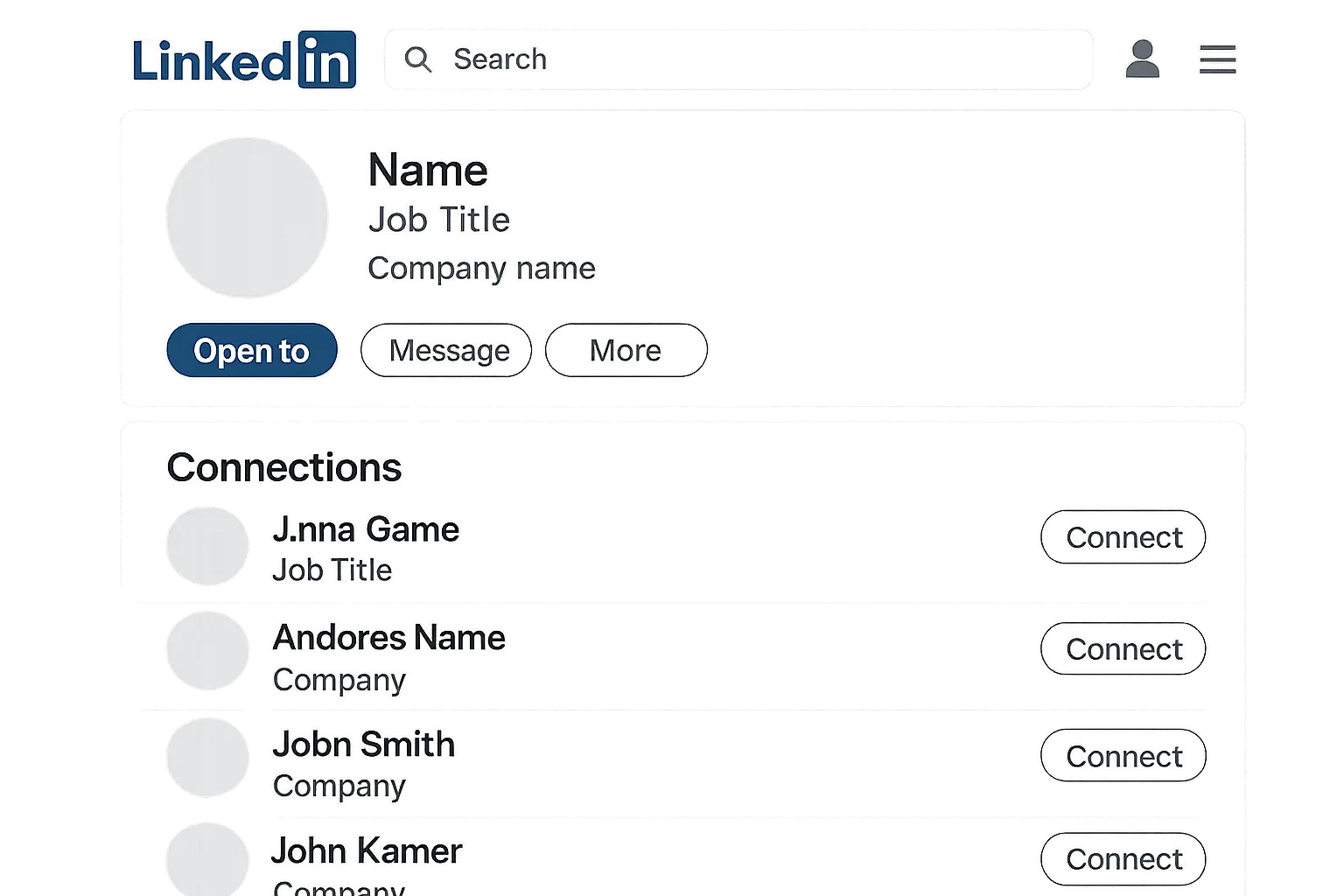
Your LinkedIn needs to tell a story about why you care about HR, not just list where you've worked. Share articles about HR trends, comment thoughtfully on posts from HR professionals, and write short posts about workplace stuff you've noticed.
When you connect with NYC-based HR people, personalize those messages. Reference something specific they posted or mention how you know each other. Follow up occasionally with useful content or insights, not just "hey, got any internships?"
Application Materials That Don't Get Ignored
Your resume needs to work with ATS systems while showing actual results. Instead of "assisted with recruitment," write "supported recruitment process that filled 15 positions with 95% candidate satisfaction rate." Use HR-specific action words: screened, onboarded, facilitated, analyzed, implemented.
Cover letters should prove you know what's going on at that specific company. Research their recent diversity initiatives, organizational changes, or industry compliance issues. Show how your background helps with their particular challenges.
Timing and Following Up (Without Being Annoying)
Apply in the first week after they post – later applications get buried under hundreds of others. Create a tracking system with contact names, follow-up dates, and status updates.
Follow up strategically. Send a brief email two weeks after applying, mentioning something specific about the company's recent news. This shows you're still interested and paying attention to their business.
Nailing Your Interviews (Even the Weird Ones)
NYC HR internship interviews have gotten pretty sophisticated. They're not just asking "tell me about yourself" anymore – they're testing whether you can actually think through complex workplace situations and whether you'll fit with their team culture.
|
Interview Type |
How Long |
What to Prep |
How to Win |
|---|---|---|---|
|
Behavioral Interview |
45-60 minutes |
STAR method examples |
Use real HR scenarios |
|
Case Study Assessment |
60-90 minutes |
Problem-solving frameworks |
Think out loud, consider everyone affected |
|
Technical Knowledge Test |
30-45 minutes |
Employment law, HRIS systems |
Know current rules, practice scenarios |
|
Panel Interview |
60-75 minutes |
Company research, culture fit |
Talk to everyone, ask smart questions |
|
Virtual Assessment |
30-60 minutes |
Tech setup, looking professional on camera |
Test everything twice, have backups |
Behavioral Interview Mastery
Get really good at STAR method responses for HR-specific situations. Practice talking about conflict resolution, diversity initiatives, and employee engagement using real examples from your life.
They'll ask stuff like: "Tell me about a time you handled a sensitive interpersonal situation," "How would you improve employee retention," and "Describe a time you had to enforce an unpopular rule." Your answers need to show empathy, analytical thinking, and practical problem-solving.

Case Studies and Weird Scenario Questions
A lot of companies will throw scenarios at you about terminations, harassment complaints, or company restructuring. They want to see how you think, not necessarily get the "right" answer.
Approach these systematically: figure out who's affected, think about legal stuff, consider multiple solutions, and explain your reasoning. Show you understand both employee rights and business needs.
Practice with scenarios like: "An employee reports their manager is harassing them," "The company needs to cut 20% of staff," or "Two departments are merging and everyone hates each other."
Technical Knowledge (Yeah, They'll Test You)
Be ready for questions about employment law, HRIS systems, and HR metrics. They might ask you to explain exempt vs. non-exempt employees, describe how you'd measure employee engagement, or discuss recent workplace law changes.
Stay current by reading SHRM stuff, following HR thought leaders on LinkedIn, and understanding how remote work changed everything. As a future human resources intern, showing you know this stuff separates you from people who think HR is just about hiring and firing.
Cultural Fit and Proving You Did Your Homework
Research goes way beyond their website. Read their diversity reports, recent press releases, and Glassdoor reviews. Understand their values and recent HR initiatives.
Ask specific questions that prove you did deep research: "I saw your recent mental health benefits focus – how does HR measure success of these programs?" or "Your diversity report mentioned technical hiring challenges – what strategies is HR exploring?"
If you're doing multiple interview rounds, having professional housing with quiet spaces for video calls means you won't get distracted or deal with technical problems during virtual interviews.
Turning Your Internship Into a Career Launchpad
Getting the internship is just step one – maximizing it requires thinking strategically about projects, relationships, and skill building. The interns who succeed go way beyond just doing what they're told.
NYC's focus on inclusive employment is creating new opportunities. Mayor Adams' disability employment initiative shows the city connected over 1,350 New Yorkers with disabilities to jobs since 2023, investing over $10 million in training programs. This shows how HR work in diversity and inclusion keeps expanding.
Picking Projects and Taking Initiative
Don't wait around for assignments – find problems you can solve. Suggest improvements to onboarding, propose employee satisfaction surveys, or streamline recruitment workflows. Document what you did and measure the results.
High-impact projects usually involve data analysis. Volunteer to look at turnover patterns, compensation equity, or recruitment effectiveness. These projects show analytical skills while giving your team valuable insights.

Jessica interned at NBCUniversal and noticed their onboarding for temporary production staff was a mess. She proposed a streamlined digital checklist, tested it with 50 new hires, and measured a 40% reduction in onboarding time plus 25% better satisfaction scores. This got her a full-time offer and became company-wide standard.
Building Your Mentor Squad
Don't just rely on your direct supervisor. Find mentors across different HR functions and levels. Your boss gives day-to-day guidance, but you also want relationships with senior HR leaders, specialists in compensation or talent acquisition, and recent full-time hires who remember the transition.
Schedule regular check-ins, come prepared with specific questions, and follow up on their advice. These relationships often continue long after your internship ends.
Building Your Mentor Network:
- Find 3-5 mentors across different HR areas
- Schedule monthly coffee chats with each
- Prepare specific career development questions
- Follow up on advice and report progress
- Offer help back through research or projects
- Keep relationships going after internship
- Send quarterly career updates
- Say thanks with handwritten notes
Skill Building and Getting Certified
Use your internship as intensive learning time. Work on SHRM-CP prep, specialized employment law training, or HR analytics courses. Many companies support intern professional development through tuition help or conference attendance.
Document your learning in a professional portfolio. Include case studies of projects you worked on, process improvements you suggested, and quantified results from your work.
Performing Like a Rock Star
Set measurable goals that align with company HR metrics. Track your contributions to recruitment numbers, employee satisfaction scores, or process improvements. Regular self-assessment shows professional maturity.
Actively ask for feedback from supervisors and colleagues. Document what you learn and show growth through measurable improvements in your responsibilities. This proactive approach often leads to bigger responsibilities and stronger recommendations.
The Built In NYC internship data shows companies offer competitive pay for both undergrad and grad positions, proving organizations value quality intern contributions and offer meaningful compensation.
Building Your Professional Brand
Write LinkedIn articles about HR trends you observe during your internship (while keeping confidential stuff confidential). Share insights about workplace dynamics, recruitment challenges, or employee engagement strategies. This positions you as a thoughtful future HR professional.
Attend NYC HR conferences, diversity summits, and workplace innovation events. These expand your knowledge beyond your immediate internship environment while building your professional network.
Planning Your Next Move
Understand your company's conversion rates for interns and position yourself for full-time consideration through exceptional performance. Prepare for salary negotiations using NYC market data and document your contributions throughout the internship.
If your internship company doesn't extend offers, leverage the experience and network to secure positions at competitor firms, consulting companies, or emerging startups. Your internship experience becomes the foundation for your next opportunity.
The most successful interns start planning their next steps during the internship, not after it ends. They build relationships, document achievements, and position themselves for multiple opportunities.
According to UN internship requirements, interns must have completed or be enrolled in graduate programs in data science, statistics, mathematics, public administration, or business management, highlighting the analytical skills emphasis in modern HR roles.
Housing That Actually Supports Your Success
Look, securing your dream HR internship is just the first challenge – finding a place to live that doesn't stress you out is equally important. You need flexible, furnished housing without the headache of traditional apartment hunting.
Our strategically located properties near major business districts give you easy subway access to Manhattan's financial centers, tech hubs, and corporate headquarters where most HR internships happen. With furnished apartments including beds, desks, and storage, you can focus entirely on crushing your internship instead of coordinating furniture deliveries.
The flexible booking works with internship timelines that don't match academic calendars, while secure online payments mean you can handle housing stuff even during crazy recruitment seasons or special projects. Most importantly, being close to essential services means you can efficiently manage both work responsibilities and daily life.
For HR interns working weird hours during busy recruitment periods, having reliable housing near your internship can make the difference between a good experience and an exceptional one that actually launches your career.
During those demanding internship periods with long hours, having access to convenient housing near Midtown's major corporate offices lets you maintain some work-life balance while maximizing your professional development.

Final Thoughts
The path to HR internship success in NYC isn't about being perfect – it's about preparation, being genuine, and thinking strategically. You're entering a market where hundreds of students compete for each spot, but companies desperately need people who understand the strategic side of human resources.
Your advantage comes from combining technical skills with real relationship building. Master the systems HR professionals actually use, understand employment law basics, and develop analytical skills that go beyond basic Excel. But don't stop there – build genuine relationships through informational interviews, SHRM events, and thoughtful LinkedIn engagement.
The interview process will test both your knowledge and your ability to think critically about complex workplace challenges. Prepare for behavioral questions, case studies, and technical assessments, but remember that being authentic often matters more than perfect answers. Companies want interns who can contribute meaningfully while learning quickly.
Once you land your internship, the real work starts. The most successful interns find problems they can solve, build multiple mentor relationships, and document their contributions through measurable results. They use their internship as intensive learning time while building their professional brand for future opportunities.
Remember that your internship experience goes beyond office walls. Having reliable, convenient housing near your internship eliminates daily stress and lets you focus entirely on professional excellence. The small details – like easy commute access and flexible living arrangements – often determine whether you can fully capitalize on your internship opportunity.
For students committed to maximizing their internship success, securing flexible housing arrangements that adapt to internship schedules provides the stability needed to focus entirely on professional development and career advancement.
Your NYC HR internship isn't just a resume line – it's the foundation for your entire career. Approach it strategically, execute it excellently, and use it as a launching pad for the HR career you're building. The competition is fierce, but the opportunities for those who prepare thoroughly and execute strategically are exceptional.