
Look, I'm going to be straight with you—if you want an internship that'll actually change your career trajectory, NYC is where you need to be. Is it competitive? Absolutely. Worth it? 100%.
With companies tracking opportunities at over 10,000 top organizations across the city, according to Simplify, the sheer volume and quality of opportunities here is honestly unmatched. I've watched friends go from state school students to Goldman Sachs analysts, all because they figured out how to crack the NYC internship code.
Table of Contents
- Understanding NYC's Internship Powerhouse
- Why NYC Internships Actually Change Everything
- The Crazy Industry Concentration Effect
- Summer Program Advantages You Can't Get Elsewhere
- Mastering Application Timing and Cycles
- Building Your Winning Application Strategy
- Crushing the Interview Process
- Maximizing Your NYC Internship Success
TL;DR
- NYC offers the most competitive internship market in the world, with access to Fortune 500 companies, startups, and industry leaders you literally can't find anywhere else
- Start your applications 6-9 months early—I'm serious, Goldman posts in August for the following summer
- Your resume needs to tell a story with real numbers, not just list what you did
- Alumni networks are your secret weapon—use them
- Master the STAR method for behavioral interviews and actually practice case studies
- Don't underestimate housing logistics—a brutal commute will kill your networking game
- Focus on building real relationships, not just collecting business cards
Understanding NYC's Internship Powerhouse
Here's what's crazy about NYC: Goldman Sachs is literally blocks away from Google's office, and both are walking distance from major media companies. I've had friends grab coffee with a JP Morgan analyst at lunch and attend a tech startup event that same evening. You just can't do that anywhere else.
The density here creates this multiplier effect that benefits every student willing to put in the work. When you're surrounded by this concentration of industry titans, a single summer can completely reshape how you think about your career.
Why NYC Internships Actually Change Everything
Let me tell you about my friend Sarah. She landed a summer internship at a mid-tier investment bank, nothing too flashy. But because she was in NYC, she ended up at networking events with people from Goldman, McKinsey, and Google. By the end of the summer, she had three full-time offers—none from her original company.
That's the thing about NYC internships—they don't just give you work experience, they drop you into this ecosystem where opportunities literally walk past you on the street. The intensity goes way beyond long hours. While other cities might stick you with filing and coffee runs, NYC companies often throw you into real projects with genuine business impact.
What sets NYC apart is the ripple effect of connections. That random conversation with a fellow intern at a Thursday night happy hour? That could be your job referral five years from now. The senior analyst who takes you under their wing might become a managing director at your dream company. These relationships compound over time in ways that just don't happen in smaller markets.

The Crazy Industry Concentration Effect
Wall Street's financial powerhouses sit blocks away from Silicon Alley's tech innovators. Madison Avenue's advertising giants are neighbors with Midtown's media empires. This proximity means you can attend a fintech meetup on Monday, a fashion industry panel on Wednesday, and a media networking event on Friday—all within walking distance.
I remember one week during my internship where I accidentally ended up at three different industry events just because they were all happening in the same neighborhood. By Friday, I had business cards from a venture capitalist, a fashion buyer, and a TV producer. Try doing that in Cleveland.
The concentration effect also means companies compete fiercely for top talent. Internship programs here offer perks that smaller markets simply can't match: executive speaker series featuring actual Fortune 500 CEOs, networking events at venues you've seen in movies, and mentorship programs that connect you directly with people who make million-dollar decisions.
Summer Program Advantages You Can't Get Elsewhere
Corporate summer programs in NYC operate on a completely different level than traditional internships. You'll rotate through different departments, getting a 360-degree view of how major corporations actually function. Executive speaker series bring C-suite leaders directly to intern cohorts, sharing insights you'd never access elsewhere.
Here's something that blew my mind: the group projects assigned to intern cohorts often tackle real business challenges the company is facing. I've seen intern teams present recommendations directly to executive committees, with their suggestions actually being implemented. This level of responsibility is virtually unheard of in other markets.
NYC summer internships typically run 10-12 weeks and feature the most comprehensive structure in the country. These aren't just extended job shadows—they're intensive business boot camps designed to fast-track your professional development.
|
Program Component |
NYC Programs |
Other Markets |
|---|---|---|
|
Program Duration |
10-12 weeks |
8-10 weeks |
|
Executive Access |
Direct C-suite interaction |
Limited senior exposure |
|
Project Scope |
Real business challenges |
Training exercises |
|
Networking Events |
15-20 structured events |
5-8 basic mixers |
|
Mentorship |
Dual mentor system |
Single supervisor |
|
Cross-functional Exposure |
3-4 department rotations |
Single department focus |
Structured Learning That Actually Matters
NYC internship programs invest heavily in structured learning experiences that extend far beyond your specific role. Professional development workshops, industry certifications, skills training—stuff that would cost thousands of dollars if you pursued it independently.
The mentorship component typically pairs each intern with both a direct supervisor and a senior-level mentor from a different department. This dual-mentorship model ensures you get both tactical guidance on daily tasks and strategic career advice from someone with broader organizational perspective.
A finance intern at JPMorgan Chase might spend mornings working on credit risk analysis, attend a lunch-and-learn session on blockchain technology, and end the day shadowing an investment banker on a client call. This multi-faceted exposure provides comprehensive business education that you just can't get from textbooks.
Mastering Application Timing and Cycles
Here's something that'll blow your mind: Goldman Sachs starts posting applications in August for the following summer. Yeah, you read that right—almost a full year ahead. I've watched so many smart kids miss out simply because they had no idea how early this game starts.
The most prestigious opportunities begin recruiting 6-9 months in advance. This isn't some arbitrary timeline—these firms compete intensely for top talent and want to lock in their preferred candidates before competitors can make offers.
Early Recruitment (Yes, It Starts THAT Early)
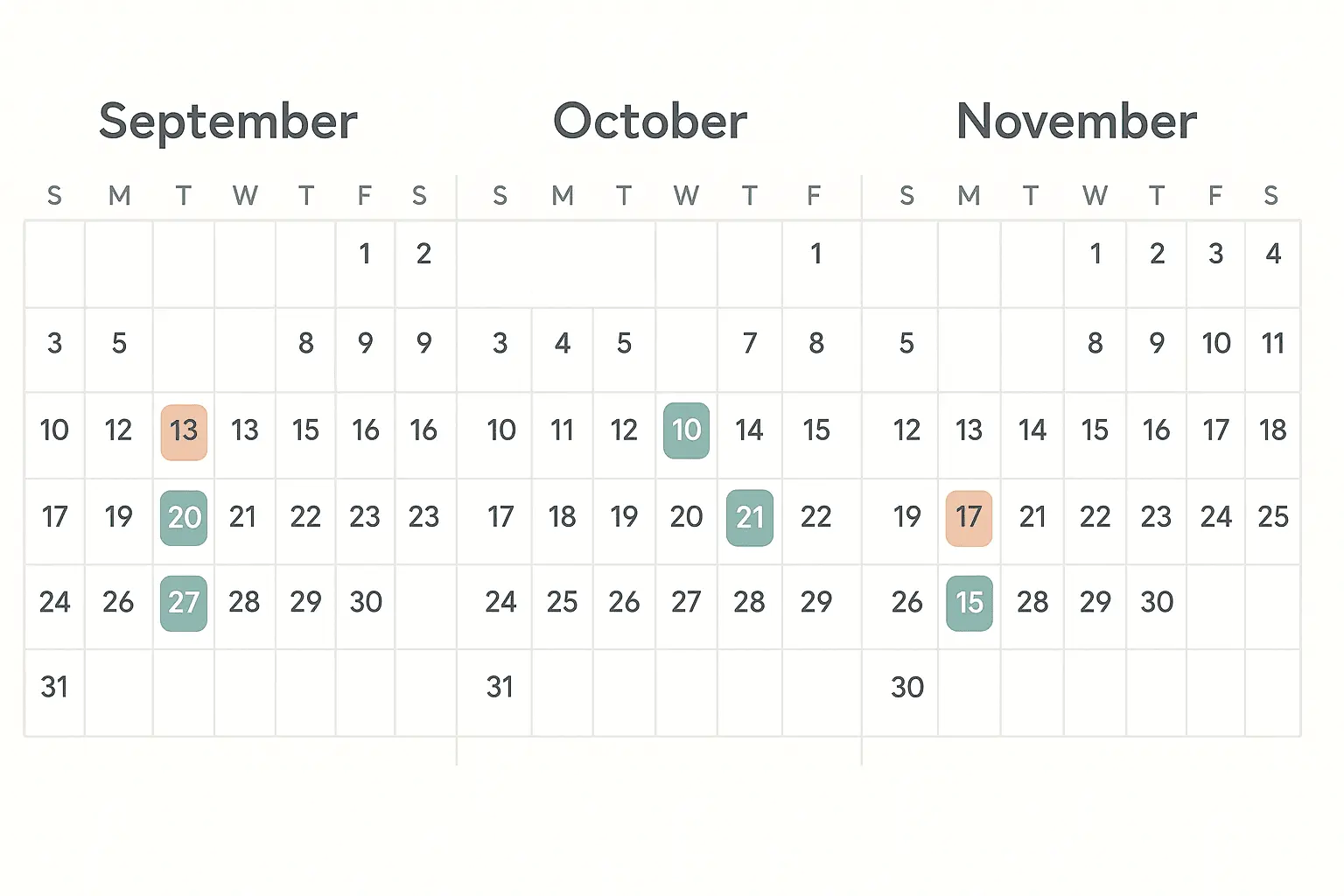
Finance and consulting recruitment operates on what feels like an accelerated timeline from another planet. Investment banks start posting applications in August, conduct first-round interviews in September, and extend offers by November—a full eight months before the internship begins.
Most tech internships offer competitive compensation, with rates ranging from $25 per hour at startups to over $50 per hour at major tech companies, while finance and consulting roles often provide flat weekly or monthly stipends, according to Simplify. This compensation structure reflects the high-stakes nature of NYC's internship market and the premium companies place on securing top talent.
The key to succeeding in early recruitment is building your profile during sophomore year (or even earlier). This means securing relevant experience through part-time roles, developing technical skills through coursework or certifications, and beginning to network with alumni and industry professionals well before applications open.
Don't make the mistake I see students make every year—waiting until junior year to start thinking about internships. By then, you're already behind.
Fall Recruitment Season Survival
September through November becomes this absolute whirlwind of networking events, information sessions, first-round interviews, and final-round assessments. Companies host multiple events per week, and you'll need to prioritize which ones align with your career goals while somehow maintaining decent grades.
The demanding nature of internship recruitment is exemplified by programs like Beyond Rising, which "receives over 1,000 applications for 50 summer spots" according to Chalkbeat, demonstrating how competitive even specialized internship programs have become in the NYC market.
The volume of applications during fall recruitment is absolutely staggering. Top-tier investment banks receive thousands of applications for dozens of spots. Standing out requires more than strong grades—you need compelling experiences, demonstrated leadership, and the ability to articulate why you're passionate about that specific company and role.
Successful candidates treat fall recruitment like a part-time job, dedicating 15-20 hours per week to applications, interview preparation, and networking activities. This includes researching companies thoroughly, practicing case studies until you're sick of them, and following up strategically with contacts made at networking events.
Application Timeline That Actually Works
Create a comprehensive spreadsheet tracking application deadlines, networking events, interview dates, and follow-up requirements for each opportunity. Include columns for application status, key contacts, and notes from networking conversations. Trust me, when you're managing 20+ applications simultaneously, this system becomes your lifeline.
Prioritize opportunities based on both your interest level and realistic chances of success. Apply to reach schools (highly competitive positions where you meet most requirements), target schools (positions where you're a strong candidate), and safety schools (positions where you exceed the typical candidate profile).
A junior business student might apply to Goldman Sachs (reach), Deloitte Consulting (target), and a mid-size investment firm (safety) while maintaining a tracking system that includes application deadlines, networking contact information, and interview preparation notes for each opportunity.
Strategic Application Sequencing
Here's a pro tip: schedule interviews for your top-choice companies later in your interview cycle when possible. Use earlier interviews with companies you're less excited about as practice opportunities to refine your storytelling, improve your technical skills, and build confidence.
The feedback loop from early interviews is invaluable. You'll identify weak points in your preparation, discover unexpected questions, and learn to manage interview nerves. Each conversation makes you stronger for subsequent opportunities.
I bombed my first Goldman interview so badly that the interviewer actually looked concerned for my wellbeing. Asked me to walk through a DCF model and I just... froze. But you know what? That failure taught me more than any success could have. I spent the next month practicing until I could build models in my sleep.

Building Your Winning Application Strategy
Landing competitive NYC internships requires a systematic approach that goes way beyond submitting generic applications. Success depends on crafting compelling narratives, building authentic relationships, and positioning yourself as the ideal candidate for each specific opportunity.
The new york internship market rewards candidates who demonstrate both technical competence and cultural fit. Companies here move fast and need interns who can contribute immediately while thriving in high-pressure environments.
Resume Optimization That Gets Noticed
Your resume needs to tell a story, not just list what you did. Instead of "Helped with marketing," write something like "Boosted Instagram engagement by 35%, which led to 50 new customers in 6 months." See the difference? NYC hiring managers are scanning hundreds of resumes—make yours impossible to ignore.
NYC employers scan resumes quickly, so your most impressive achievements need to jump off the page immediately. Lead with action verbs that convey leadership and initiative: "Spearheaded," "Orchestrated," "Transformed," "Delivered." These words signal that you don't just complete tasks—you drive results.
Every bullet point should include quantifiable metrics that showcase your impact. Numbers tell stories that words alone cannot. "Managed social media accounts" becomes "Managed 5 social media accounts with combined following of 50K+, achieving 25% increase in engagement and generating 200+ qualified leads monthly."
Quantifiable Achievement Focus
When you lack traditional business metrics, get creative with quantification. Academic projects can highlight research scope, data analysis, or presentation audiences. Volunteer work can emphasize fundraising totals, event attendance, or community impact. Leadership roles can showcase team sizes, budget responsibility, or program growth.
The key is connecting your achievements to business outcomes that matter to employers. Cost savings, revenue generation, efficiency improvements, and risk mitigation resonate strongly with NYC hiring managers who operate in results-driven environments.
Keep a running note in your phone of cool stuff you worked on. Trust me on this—six months later when you're updating your resume, you'll barely remember what you did week two. I learned this the hard way when I sat there staring at a blank document trying to remember what that big project was actually about.
Strategic Networking (Without Being Weird About It)
Networking used to terrify me. Walking into a room full of suits when you're just a college kid? Intimidating as hell. But here's what I learned: most people actually want to help. That VP at Morgan Stanley? She was once a nervous intern too. Lead with genuine curiosity about their career path, not "can you get me a job?"
Your alumni network is your secret weapon. Alumni are predisposed to help students from their alma mater, and they understand your academic background and campus culture. They can provide insider perspectives on company culture, hiring processes, and industry trends that you won't find in job descriptions.
The interview process typically includes 1-2 technical rounds for software internships, often featuring coding challenges, while non-technical roles may involve scenario questions and take-home assignments, with some positions skipping formal interviews entirely if candidates come through referrals, according to Simplify. This highlights the critical importance of networking and building relationships that can lead to referrals.
Alumni Network Leverage
Start by researching alumni in your target industries using LinkedIn, your school's alumni directory, and professional association membership lists. Look for commonalities beyond your shared school—similar academic backgrounds, extracurricular activities, or career interests that can serve as conversation starters.
When reaching out to alumni, personalize each message with specific references to their career path or recent professional achievements. Instead of generic requests for "advice," ask specific questions about industry trends, company culture, or skills development that demonstrate you've done your homework.
The goal of initial alumni conversations should be learning, rather than job hunting. Ask about their career journey, what they wish they'd known as students, and what skills are most valuable in their current role. This approach builds authentic relationships that naturally lead to referrals and opportunities.
Industry Event Participation
Industry events in NYC range from massive career fairs with hundreds of companies to intimate panel discussions with 30-40 attendees. Smaller events often provide better networking opportunities because you can have more substantive conversations with fewer people competing for attention.
Prepare for networking events by researching attendees and speakers in advance. Many events publish attendee lists or speaker bios that allow you to identify priority contacts and prepare thoughtful questions. This preparation helps you make the most of limited face time with busy professionals.
Follow up within 48 hours of meeting someone at a networking event. Reference specific details from your conversation and suggest a concrete next step, whether that's a brief coffee meeting, informational interview, or sharing a relevant article. Timely, personalized follow-up separates serious candidates from casual networkers.
|
Networking Strategy |
Success Rate |
Time Investment |
Best For |
|---|---|---|---|
|
Alumni Outreach |
85% response rate |
2-3 hours/week |
Industry insights & referrals |
|
Industry Events |
60% meaningful connections |
4-6 hours/event |
Direct hiring manager access |
|
Cold LinkedIn Messages |
25% response rate |
1 hour/week |
Volume networking |
|
Professional Associations |
70% networking success |
3-4 hours/month |
Long-term relationship building |
|
Career Fairs |
40% follow-up conversations |
6-8 hours/event |
Multiple company exposure |

Crushing the Interview Process
NYC internship interviews are more rigorous and multi-layered than those in other markets, often combining behavioral questions, technical assessments, and case studies that test both knowledge and problem-solving ability. Success requires mastering multiple interview formats while demonstrating your ability to thrive in high-pressure environments.
The new york internships interview process can feel overwhelming, but preparation and practice make all the difference. I've coached hundreds of students through these interviews, and the ones who succeed share common traits: they prepare systematically, practice extensively, and approach each conversation with genuine enthusiasm for the opportunity.
Behavioral Interview Mastery
Behavioral interviews reveal how you'll perform when facing the inevitable challenges of working in NYC's fast-paced environment. Interviewers want to understand how you handle stress, resolve conflicts, and maintain performance standards when everything seems to be falling apart.
The stories you choose to tell matter enormously. Select examples that showcase the qualities most valued in NYC business culture: resilience under pressure, creative problem-solving, leadership in ambiguous situations, and the ability to collaborate effectively with diverse teams.
NYC employers use behavioral interviews to assess how candidates handle pressure, collaborate in teams, and navigate complex professional situations. The STAR method provides a framework for structuring compelling responses that demonstrate your capabilities and professional maturity.
STAR Method Implementation
Structure every behavioral response using the STAR framework to ensure completeness and clarity. Start with the Situation—provide enough context for the interviewer to understand the challenge you faced. Describe the specific Task or responsibility you had in that situation.
The Action section is where you shine. Detail the specific steps you took to address the challenge, emphasizing your decision-making process and leadership qualities. Focus on your individual contributions and the reasoning behind your choices rather than what your team accomplished collectively.
Conclude with measurable Results that demonstrate the impact of your actions. Quantify outcomes whenever possible: "Increased team productivity by 20%," "Reduced project timeline by 3 weeks," or "Improved customer satisfaction scores from 3.2 to 4.1." These metrics make your achievements tangible and memorable.
Conflict Resolution Examples
NYC roles often involve managing competing priorities and difficult personalities, making conflict resolution skills essential. Prepare stories that demonstrate your ability to navigate disagreements professionally while finding creative solutions that satisfy multiple stakeholders.
The best conflict resolution stories demonstrate your ability to separate personal feelings from professional objectives. Show how you listened to different perspectives, identified underlying concerns, and developed solutions that addressed root causes rather than symptoms.
A student government president might describe mediating between student organizations competing for limited funding by facilitating joint meetings, identifying shared goals, and proposing a collaborative event that satisfied both groups' objectives while maximizing budget efficiency.
Technical Assessment Survival Guide
Case studies used to stress me out until I realized they're basically just organized problem-solving. The interviewer isn't trying to trick you—they want to see how your brain works when you're figuring stuff out. Think out loud, ask clarifying questions, and don't panic if you don't know something immediately.
Practice technical assessments under timed conditions to simulate interview pressure. Many candidates know the material but struggle with time management or become flustered when they can't immediately see the solution. Regular practice builds confidence and helps you develop systematic approaches to unfamiliar problems.
The importance of technical skills is highlighted by success stories like Rohan Kumar, who leveraged multiple NYC cybersecurity internships, including positions where he "used SQL programming to find problems and identify hacking groups in real time" according to John Jay College, demonstrating how technical proficiency directly translates to meaningful project contributions.
Case Study Excellence
Case study interviews test your ability to break down complex business problems into manageable components. Start by clarifying the problem statement and asking thoughtful questions that demonstrate your understanding of the business context and key stakeholders.
Use established frameworks like Porter's Five Forces, profitability analysis, or market sizing to structure your approach. These frameworks provide systematic methods for analyzing business problems and ensure you don't overlook critical factors in your analysis.
Practice presenting your recommendations clearly and confidently. Many case studies conclude with a presentation to a panel, requiring you to synthesize your analysis into key insights and actionable recommendations. Strong presentation skills can differentiate you from candidates with similar analytical abilities.
Framework Application
Frameworks aren't academic exercises—they're tools that practicing consultants and business leaders use daily. Demonstrating fluency with these approaches signals that you can hit the ground running and contribute meaningfully to client projects or internal strategy initiatives.
Practice applying different frameworks to various business scenarios until the process becomes second nature. You should be able to quickly identify which framework best fits a given problem and adapt your approach based on the specific context and available information.
The most impressive candidates don't apply frameworks mechanically—they explain why they chose a particular approach and how it helps address the specific business question at hand. This meta-level thinking demonstrates strategic reasoning that separates strong candidates from the pack.

Maximizing Your NYC Internship Success
Once you've secured a position, success depends on how effectively you navigate the unique challenges and opportunities of working in New York City while building the foundation for your career. This involves accelerating your professional development, cultivating meaningful mentorship relationships, and solving practical challenges around housing and logistics.
The transition from securing an internship to excelling in it requires a different skill set entirely. New york interns who thrive understand that the real work begins after you receive the offer letter.
Professional Development That Matters
Don't wait for opportunities to come to you—create them. Request meetings with leaders in different departments, volunteer for challenging projects, and ask thoughtful questions that demonstrate your eagerness to learn. The professionals who advance quickly in NYC are those who consistently seek growth opportunities.
Here's the thing nobody tells you about NYC internships: the learning curve is steep, but so is the payoff. You'll be exposed to high-level strategic thinking, complex problem-solving, and decision-making processes that typically take years to access in other markets.
Understanding how student housing works in NYC can eliminate logistical stress and allow you to focus entirely on professional development and networking opportunities.
Mentorship Cultivation
The best mentors aren't always assigned through formal programs—they're often senior colleagues who appreciate your curiosity and work ethic. Look for professionals whose career paths interest you and who seem genuinely invested in developing junior talent.
Approach potential mentors with specific questions and requests rather than vague asks for "advice." Come prepared with thoughtful questions about industry trends, career development strategies, or specific challenges you're facing. This preparation shows respect for their time and increases the likelihood of meaningful conversations.
I remember connecting with a VP who initially seemed intimidating, but when I asked her about a specific challenge I was facing with data analysis, she spent an hour walking me through different approaches. That conversation led to a mentorship relationship that lasted well beyond my internship.
Maintain mentor relationships beyond your internship through periodic updates on your career progress, thoughtful questions about industry developments, and offers to help with projects where your skills might be valuable. The strongest professional relationships are built on mutual value exchange over time.

Housing Solutions That Don't Suck
Let me be real with you for a second—the housing situation in NYC during internship season is absolutely brutal. I've seen kids spend their entire first paycheck on a security deposit for a shoebox apartment in Queens, then realize their commute is eating up 3 hours a day. Don't be that person.
Location proximity offers benefits beyond commute time. Living near other interns and young professionals creates natural networking opportunities and social connections that enhance both your personal and professional experience in the city.
Properties like The Lexington House in Midtown East provide strategic proximity to major financial districts, while The Hell's Kitchen House offers access to media and tech companies in the area.
Strategic Housing Solutions
Traditional apartment hunting in NYC can consume weeks of time and energy that should be focused on your internship. The process involves broker fees, security deposits, furniture purchases, and lease negotiations that create unnecessary stress during an already demanding period.
Student Housing NYC addresses these challenges by providing strategically located, fully furnished accommodations with flexible lease terms that accommodate internship programs timelines. Properties like The Central Park Manhattan House and The Park Avenue House are positioned near major business districts and transportation hubs, ensuring you can fully participate in NYC's professional opportunities without the typical housing headaches.
The community aspect of student-focused housing creates immediate networking opportunities with other interns and students from various industries and schools. These relationships often prove as valuable as workplace connections, providing diverse perspectives on different career paths and industry insights.
Community and Network Building
The relationships you build outside of work often prove as valuable as those within your company. Fellow interns from different industries provide insights into various career paths, while students from different schools bring diverse perspectives and networking opportunities.
When your housing logistics are handled professionally, you can focus entirely on excelling in your internship and building the relationships that will define your career trajectory. Student Housing NYC eliminates the stress of apartment hunting, furniture purchasing, and lease negotiations, allowing you to concentrate on what matters most—your professional development and network building.
Their flexible terms and strategic locations ensure you can participate fully in NYC's professional opportunities while building lasting relationships with other ambitious individuals who share your drive for success.
Internship Success Checklist:
- Secure housing within 30 minutes of your internship location
- Identify 2-3 potential mentors within your first two weeks
- Volunteer for at least one high-visibility project
- Attend all company networking events and social activities
- Schedule informational interviews with professionals in adjacent departments
- Document achievements and learnings weekly
- Build relationships with fellow interns from other companies
- Seek feedback from supervisors monthly
- Prepare for performance reviews with specific examples
- Maintain professional relationships beyond the internship period

Final Thoughts
Look, getting a great NYC internship isn't easy. You'll probably get rejected from your dream company (I did). You might bomb an interview or two (definitely did that). But here's the thing—every single person I know who stuck with it and landed something in NYC says it completely changed their career trajectory.
The connections you make, the skills you pick up, the confidence you build—it's all worth the stress and competition. By following the strategies outlined in this guide—from early recruitment preparation and strategic networking to interview excellence and professional development—you'll position yourself to secure a competitive internship and maximize its impact on your long-term career.
Remember that every detail matters in NYC's competitive environment, including practical considerations that can significantly affect your ability to fully engage with professional opportunities and build the relationships that will define your career success.
Don't expect to hear back from applications immediately. Some companies take weeks to respon d, others never do. It's not personal—they're just drowning in applications. Follow up once after two weeks, then move on.
The investment you make in securing and excelling at a NYC internship pays dividends for decades. Whether you're drawn to finance, tech, media, or any other industry, NYC offers this concentrated ecosystem of opportunities and connections that can transform your professional trajectory in ways that simply aren't possible elsewhere.