
New York City's tech scene is absolutely massive - we're talking $694 billion in startup ecosystem value and over 360,000 tech professionals spread across 25,000+ companies. That's a lot of opportunities, but also a lot of competition. "New York City is the world's second-largest tech and startup ecosystem" according to NYCEDC, which basically means you're playing in the big leagues whether you're ready or not.
Table of Contents
TL;DR
- NYC's tech scene spans fintech, media, adtech, and e-commerce - each with its own vibe and requirements
- You need to be everywhere at once: tech job boards, university networks, meetups, and direct outreach
- Your GitHub is basically your dating profile for recruiters - make it count
- Technical interviews are brutal but predictable - practice coding problems daily and learn to think out loud
- Networking at NYC meetups can unlock opportunities that never hit the job boards
- Converting your internship to full-time requires documenting impact and speaking up early
Finding and Securing IT Internship Opportunities
Breaking into NYC's tech internship market isn't just competitive - it's borderline ridiculous. You're competing against kids from MIT, Stanford, and every other CS program in the country, all fighting for the same spots. But here's the thing: most of your competition is lazy. They're sending the same generic resume to 200 companies and wondering why no one calls back.
The companies that actually convert interns to full-time hires? Their conversion rates can hit 70% or higher. "A successful internship can result in a return internship or full-time offer for upcoming graduates. At some companies, conversion rates exceed 70%" according to Levels.fyi. So getting that first internship isn't just about the summer - it's potentially your foot in the door for your entire career.
Strategic Job Search Platforms and Resources
You need to be everywhere at once, which sounds exhausting but is totally doable. The key is understanding that different platforms serve different purposes, and you can't just rely on one approach.
Tech-Specific Job Boards
AngelList is your gateway to NYC's startup world - companies that might become the next big thing or might implode spectacularly. Either way, they're usually willing to take chances on hungry interns who show genuine interest in what they're building.
Dice and Stack Overflow Jobs filter out all the non-tech noise. You won't find "marketing intern" postings here, just pure technical roles. The downside? Everyone else looking for tech jobs is using these platforms too.
Here's a pro tip that actually works: set up alerts for specific technologies you want to learn. Companies often post it internships nyc with crazy tight deadlines, and being first to apply gives you a real advantage. I know someone who landed an interview within two hours of a posting going live just because they had the right alerts set up.
Sarah from NYU figured this out. She set alerts for "React developer intern NYC" and "Python intern fintech." A Brooklyn fintech startup posted their internship on a Tuesday evening, and she applied Wednesday morning with a personalized cover letter mentioning her personal finance app built with their exact tech stack. She got the interview before the posting even gained traction.
University Career Centers and Alumni Networks
Your school's career center has relationships with companies that specifically recruit from your program. These connections often lead to internships that never get posted publicly, which means way less competition for you.
Career fairs feel outdated, but they're actually goldmines for face-to-face interactions. You can gauge company culture, ask technical questions, and make an impression that's impossible to replicate through online applications. Bring screenshots of your best projects - visual demonstrations spark better conversations than business cards.
Don't be shy about cold-messaging alumni on LinkedIn. Most people actually respond, especially if you're specific about what you want to know. The worst they can say is no, but you'd be surprised how many will share insider tips about interview processes or upcoming openings.
When you're researching potential internship locations, think about your commute and living situation. Finding the right student housing can make the difference between a smooth internship experience and daily stress about getting to work on time.
|
Platform Type |
Best For |
When to Apply |
Success Rate |
|---|---|---|---|
|
University Career Centers |
Exclusive opportunities, structured programs |
September-December for summer |
High (pre-screened) |
|
Tech Job Boards |
Wide variety, startup opportunities |
Year-round, peak in fall |
Medium (lots of competition) |
|
Direct Outreach |
Startups, networking-based roles |
January-March works best |
Variable (depends on your approach) |
|
Alumni Networks |
Insider info, warm introductions |
Ongoing relationship building |
High (warm connections) |
Direct Company Applications and Startup Outreach
NYC's startup scene lives in neighborhoods like Flatiron, SoHo, and DUMBO. Walk through these areas and you'll feel the energy - co-working spaces buzzing with activity, coffee shops full of people hunched over laptops building the next big thing.
Here's what most people don't realize: startups often hire based on gut feeling rather than checking every box on some HR wishlist. A well-crafted email showing genuine interest in their product can land you an interview even when they weren't planning to hire interns.
Track funding announcements on TechCrunch or Crunchbase. Newly funded companies are in expansion mode and more likely to say yes to eager interns who can contribute immediately. They've got money to spend and problems to solve - perfect timing for you.
Building Your Professional Brand
In NYC's brutal internship market, your online presence is your first impression. Most of the time, it's also your only chance to stand out from the hundreds of other applications flooding hiring managers' inboxes.
GitHub Portfolio Development
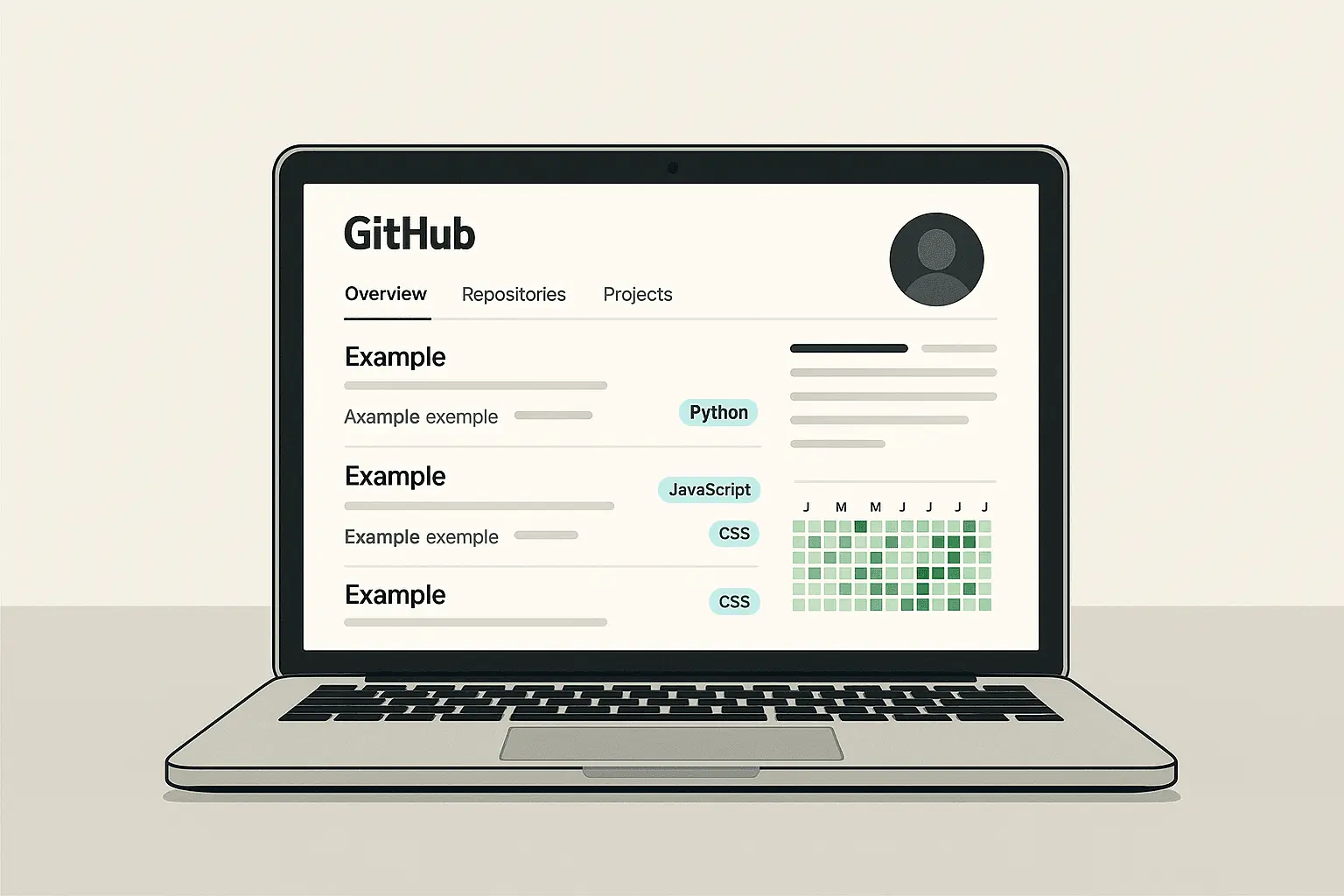
Your GitHub is basically your dating profile, but for recruiters. And just like dating profiles, most of them suck because people don't put in the effort to make them interesting.
Stop building tutorial projects. Seriously. We can spot a "Build a Todo App with React" from space. Instead, solve actual problems that annoy you. Hate your school's course registration system? Build a better one. Tired of splitting dinner bills with roommates? Create an app for that.
Contributing to open source sounds scary, but it's not as intimidating as you think. Start with documentation fixes or "good first issue" tags. The maintainers are usually pretty helpful to newcomers, and suddenly you look like someone who can work with other people's messy code.
Your README files matter way more than you think. Hiring managers spend maybe 30 seconds scanning your repos, so make those seconds count. Include screenshots, explain what problems you solved, and for the love of all that's holy, make sure your demo links actually work.
GitHub Portfolio Reality Check:
- Get a decent profile photo (not your party pics)
- Write a bio that doesn't sound like a robot
- Pin your best 3-5 repos and keep them updated
- Detailed README files with project descriptions
- Working demo links for web applications
- Keep your commit history active (even small updates count)
- At least one open-source contribution
- Clean, well-commented code that you can actually explain
LinkedIn Optimization for Tech Roles
LinkedIn feels weird and corporate, but it's where recruiters live, so you need to play the game. Your headline should be specific: "CS Student | React & Python Developer | Looking for Summer 2024 Internships." Boring but searchable.
Write your summary like you're explaining to your friend's mom what you do. Skip the buzzword salad about "leveraging synergistic solutions" and just tell your story. What got you into coding? What kind of problems do you want to solve?
The engagement thing is tricky because most tech LinkedIn content is pretty cringe. But commenting thoughtfully on posts from NYC tech companies shows you're paying attention. Don't just drop fire emojis - add something useful to the conversation.
Networking in NYC's Tech Ecosystem
Networking sounds gross and transactional, but in NYC it's just how things work. The good news is that most tech people are actually pretty cool once you get past the initial awkwardness.
Recent programs like the "NYC Startup and Venture Capital Internship Programs" show how serious the city is about connecting local talent with growing companies - they placed over 110 students at 80+ startups and VC firms in 2025 alone.
Tech Meetups and Industry Events
NY Tech Meetup is huge and can feel overwhelming, but show up anyway. Get there early when people are still filtering in - it's easier to start conversations before the room gets packed. The energy is incredible when you see startup founders pitching ideas that could change entire industries.
The smaller, tech-specific meetups are where the real magic happens. React NYC, Python meetups, machine learning groups - these are more intimate and you'll actually learn something useful while meeting people who work with the same tools you're trying to master.
Bring business cards. Yes, they seem old school, but when someone says "let's connect," it's way easier to hand them a card than spell out your email over loud music.
Follow up within 48 hours or people will forget you exist. Reference something specific: "Hey, loved hearing about your team's GraphQL migration challenges at React NYC last night."

Marcus from NYU nailed this approach. He approached a startup CTO after her presentation on microservices, asked smart questions about their architecture, and mentioned his own distributed systems project. Two weeks later, she reached out about an internship opening that wasn't even posted yet. Sometimes being in the right place with the right questions is all it takes.
Application Strategy and Interview Preparation
Alright, time for the part everyone dreads - actually applying and not completely bombing the interviews. The brutal truth is that NYC's internship market is absolutely savage. But most of your competition is lazy, so doing the basics well puts you ahead of like 80% of applicants.
Here's something most people don't realize: you need to start your summer internship hunt way earlier than you think. "Begin applying to Summer internships by July of the previous year. At the latest, apply to your top choices by your top choices by October. Many will have filled up their intern quota by December" according to Levels.fyi. If you're reading this in March hoping for a summer position, you're already behind.
Crafting Targeted Applications
Generic applications are worse than no applications. They waste your time and annoy hiring managers who can immediately tell you copy-pasted the same cover letter to 50 companies.

Resume Optimization for Tech Roles
Your resume needs to pass the robot scanners before any human sees it, so keywords matter. If the job posting mentions "microservices" five times, that word better appear in your resume (assuming you actually know what microservices are).
Quantify everything, even if the numbers seem small. "Built a web app" is boring. "Built a React app handling 500+ daily users with 99% uptime" shows you think about performance and reliability. Even if it's just your friends using your app, metrics show you understand how to measure success.
One page only, unless you've been coding professionally for years. White space is your friend - cramming everything together makes your resume impossible to scan quickly.
Cover Letter Personalization Strategies
Do actual research beyond reading their About page. Check their engineering blog, recent product launches, news coverage. This takes time, but it shows genuine interest instead of spray-and-pray applications.
Connect your experience to their specific challenges. If they're scaling their platform, mention your performance optimization projects. If they just launched mobile apps, highlight your React Native work.
Skip the formal "I am writing to express my interest" openings. Start with something specific: "Your recent blog post about migrating to microservices reminded me of challenges I faced building my distributed chat application."
Keep it short. Three paragraphs max. Hiring managers are drowning in applications and won't read novels.
Portfolio Project Alignment
Build projects that match what you'd actually do at your target companies. Want to work in fintech? Build a trading simulator with real market data. Targeting media companies? Create a content management system with user auth and analytics.
Use similar tech stacks to your target companies. Stalk their engineering blogs and job postings to understand their preferred tools. If they're heavy on React and Node.js, make sure you have solid projects using those technologies.
Deploy everything with working URLs. Broken demo links kill applications instantly. Use Heroku, Netlify, or Vercel - they're free and reliable enough for demo purposes.
Document your process with detailed README files or blog posts. Explain your technical decisions, challenges you faced, what you learned. This shows you can think critically about your work, not just copy tutorials.
If you're preparing applications while managing school, having a solid living situation becomes crucial. Many successful interns choose student housing options in Manhattan that provide reliable internet and dedicated workspace for late-night coding sessions.
Application
|
Application Component |
Time Investment |
Impact Level |
What Actually Matters |
|---|---|---|---|
|
Resume Customization |
30-45 minutes per app |
High |
Keywords matching, real numbers |
|
Cover Letter |
45-60 minutes per app |
Medium-High |
Company research, specific examples |
|
Portfolio Projects |
20-40 hours per project |
Very High |
Working demos, relevant tech stack |
|
LinkedIn Optimization |
2-3 hours initial setup |
Medium |
Professional photo, detailed experience |
Technical Interview Mastery
Technical interviews in NYC are no joke. These companies see hundreds of candidates and use tough screening to narrow things down quickly. The good news? Preparation actually works - you can dramatically improve your performance with focused practice.
Coding Challenge Preparation
Practice on LeetCode, HackerRank, and CodeSignal daily. Start with easy problems and gradually increase difficulty. Consistency beats cramming - 30 minutes daily for months is way better than 8-hour weekend sessions.
Time yourself during practice. Most interviews give you 30-45 minutes per problem, so you need to balance thoroughness with speed. Practice explaining your approach out loud while coding - communication matters as much as getting the right answer.
Study your own projects thoroughly. Be ready to discuss every technical decision, explain your code architecture, suggest improvements. Interviewers love diving deep into portfolio work, so know every line of code you've written.
Even for internships, learn system design basics. Companies want to see if you understand how real applications scale. You don't need expert knowledge, but understanding databases, APIs, and caching shows you think beyond just coding.
Interview Prep Reality Check:
- Solve 50+ coding problems across difficulty levels
- Practice whiteboard coding without your IDE
- Prepare detailed explanations for all portfolio projects
- Study system design fundamentals (databases, APIs, caching)
- Do mock interviews with friends or online platforms
- Research company-specific interview formats
- Prepare thoughtful questions about team structure and tech stack
Behavioral Interview Excellence
Prepare STAR method stories (Situation, Task, Action, Result) for common questions about teamwork, problem-solving, handling challenges. NYC startups especially value adaptability and resilience in fast-changing environments.
Practice stories that highlight technical problem-solving. Describe debugging complex issues, learning new technologies quickly, collaborating on difficult projects. Connect these experiences to skills needed for the role you want.
Research company culture and values. Startups often care as much about cultural fit as technical skills. Show you understand their mission through specific examples and thoughtful questions.
Don't memorize scripts - practice until responses feel natural. Authenticity beats polish every time. Interviewers can tell when you're reciting rehearsed answers, and genuine enthusiasm resonates way more than perfect delivery.

Industry-Specific Opportunities and Requirements
NYC's tech scene isn't just "tech" - it's finance tech, media tech, retail tech, and everything in between. Each industry has its own culture, requirements, and weird quirks you need to understand if you want to land something good.
Fintech and Financial Services IT
Wall Street's going digital, which means tons of opportunities for people who can build secure, scalable systems that handle other people's money. No pressure, right?

Traditional Financial Institutions
JPMorgan Chase, Goldman Sachs, and Morgan Stanley run structured internship programs that are basically boot camps for enterprise software development. You'll work on trading platforms processing millions of transactions daily, which is both terrifying and incredible.
These programs teach you about enterprise-scale development - rigorous testing protocols, security requirements, regulatory compliance. Stuff you won't learn building personal projects. The compensation is usually excellent, often including housing stipends specifically for NYC interns.
Technical requirements typically include Java, C++, or Python, plus understanding of databases and distributed systems. Don't worry if you lack finance background - most programs provide business context training alongside the technical work.
The culture can be intense. You're dealing with systems where a bug could cost millions of dollars, so everything moves through extensive code reviews and testing. But the learning opportunities are unmatched if you want to understand how large-scale systems actually work.
Fintech Startups and Scale-ups
Companies like Plaid, Stripe's NYC office, and local fintech startups offer faster-paced environments where you'll wear multiple hats. You might work on payment processing systems, financial data APIs, or consumer apps that make banking less painful.
The technology is usually more modern - React, Node.js, cloud platforms like AWS. You'll learn about microservices architecture, real-time data processing, and building systems that handle money (which requires extreme attention to security and accuracy).
The pace is intense but the growth opportunities are incredible. You'll understand how financial technology impacts real users while building skills in rapid prototyping and agile development. Plus, these companies often convert interns at higher rates than traditional banks.
Media and AdTech
NYC is the media capital of the world, which creates unique opportunities in advertising technology, content management systems, and digital publishing platforms that reach millions of people daily.
Digital Advertising Platforms
Google's NYC office, Facebook, and local adtech companies need people to work on programmatic advertising systems that process billions of ad requests daily. The scale is absolutely mind-boggling - decisions made in milliseconds affect advertising spend across the globe.
You'll work with technologies like Apache Kafka, Redis, and various data analytics platforms. The technical complexity rivals any other industry, with the added challenge of real-time performance requirements where every millisecond matters.
The work directly impacts how advertising works for major brands, giving you insights into how technology drives business outcomes. You'll understand conversion tracking, attribution modeling, and performance optimization from both technical and business perspectives.
Technical skills in demand include Python or Java for backend systems, JavaScript for frontend development, and SQL for data analysis. Machine learning experience is increasingly valuable as advertising becomes more algorithmic and personalized.
Media and Publishing Technology
The New York Times, BuzzFeed, and Conde Nast offer opportunities to work on content management systems, audience analytics platforms, and digital publishing tools serving millions of readers daily.
These platforms must scale to handle viral content while maintaining performance and reliability. Projects might include building editorial tools, optimizing page load speeds, or developing recommendation algorithms that increase reader engagement.
The work combines technical challenges with editorial considerations. You'll gain appreciation for how technology enables storytelling at scale while learning about the business models that support quality journalism in the digital age.
Many media companies are located in Midtown Manhattan, making Hell's Kitchen housing options particularly attractive for interns seeking easy commutes to major publishers and advertising agencies.

E-commerce and Retail Technology
The convergence of traditional retail and digital innovation creates diverse internship opportunities in inventory management, customer relationship platforms, and omnichannel experiences that bridge online and offline shopping.
Enterprise E-commerce Solutions
Work on systems handling complex business logic around pricing, promotions, inventory allocation, and customer data management. Major retailers process thousands of transactions per minute across hundreds of locations - the scale is massive.
Projects include building APIs that sync inventory across multiple sales channels, developing analytics dashboards tracking customer lifetime value, or creating mobile applications enhancing in-store shopping experiences.
Technical requirements often include experience with e-commerce platforms like Shopify or Magento, understanding of payment processing systems, and knowledge of database design for handling product catalogs and customer data.
The business impact is immediate and measurable - your code directly affects revenue and customer experience. You'll learn about system integration, data synchronization, and the challenges of maintaining consistency across distributed systems.
Jessica from Columbia landed her internship by building a personal project integrating multiple e-commerce APIs. Her inventory tracking app synchronized product data between Shopify and Amazon seller accounts, directly demonstrating the skills needed for omnichannel platform development.
Maximizing Your Internship Experience
Getting the internship is just the beginning. What you do during those 10-12 weeks determines whether this becomes a career launching pad or just another line on your resume that nobody cares about.

Professional Development During Your Internship
Don't just coast through your assigned tasks hoping someone notices your potential. The interns who get full-time offers are the ones who actively seek out learning opportunities and build relationships across the company.
Mentorship and Relationship Building
Find senior developers or engineering leaders whose work you admire and ask for informal mentorship. Most people actually enjoy sharing knowledge with eager interns who ask thoughtful questions. Don't wait for formal programs - just ask for coffee chats.
Seek feedback regularly, not just during those awkward formal reviews. Ask specific questions: "What's one thing I could improve in my code reviews?" This shows growth mindset and helps you course-correct quickly instead of waiting months to find out you've been doing something wrong.
Build relationships across different teams and departments. Understanding how engineering connects to product, marketing, and business development provides valuable context for your technical work and expands your internal network significantly.
Keep these connections alive after your internship through LinkedIn and occasional check-ins. Share relevant articles, congratulate people on promotions, ask for advice. These relationships often lead to future job opportunities or valuable recommendations down the road.
Skill Expansion Beyond Your Role
Volunteer for cross-functional projects that expose you to different aspects of product development. Offer to help with user research, attend product planning meetings, or contribute to marketing initiatives that require technical input.
Attend company tech talks, lunch-and-learns, and engineering all-hands meetings. These sessions provide insights into company strategy, technical architecture decisions, and industry trends that broaden your understanding way beyond your immediate role.
Learn about different parts of the technology stack, even if they're not directly related to your internship work. If you're doing frontend development, spend time understanding the backend APIs. If you're focused on backend systems, learn about deployment and infrastructure.
Document your learning through internal blog posts, team presentations, or knowledge-sharing sessions. This demonstrates initiative while helping other team members benefit from your discoveries and fresh perspective.
Having a solid living situation becomes crucial when you're trying to balance internship responsibilities with continued learning. Many successful interns choose furnished student housing that provides dedicated workspace for skill development outside office hours.
Internship Success Reality Check:
- Schedule weekly one-on-ones with your mentor or manager
- Actually attend optional company events and meetings
- Volunteer for at least one cross-functional project
- Document your contributions and impact weekly
- Build real relationships with 3+ people outside your immediate team
- Present your work to stakeholders at least once
- Ask for specific feedback on areas for improvement
- Express interest in full-time opportunities early and clearly
Converting Internships to Full-Time Offers
About 70% of interns at good companies get full-time offers, but you can't just assume you'll be in that group. You need to actively position yourself for conversion from day one.
Performance Documentation and Impact Measurement
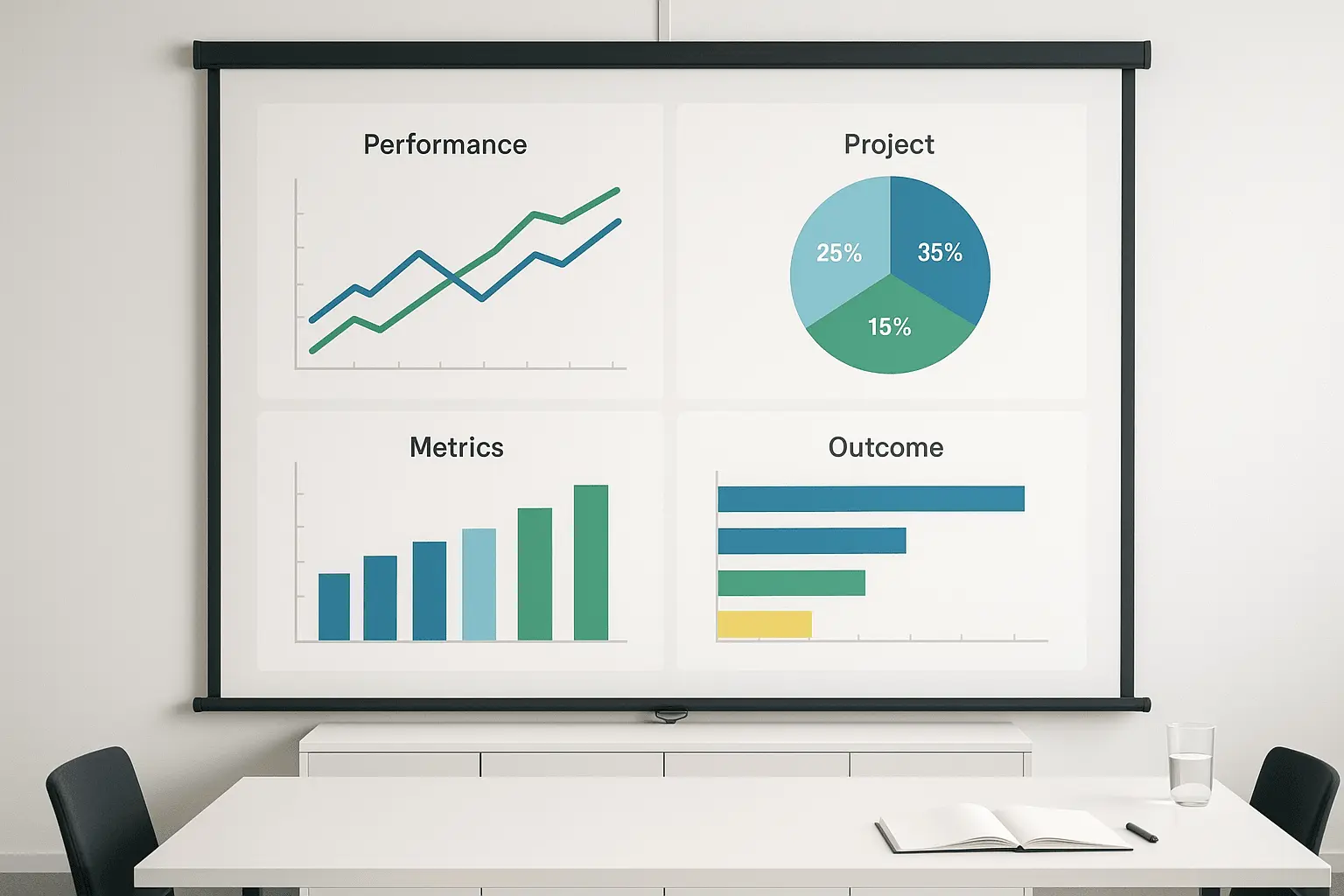
Keep detailed records of every project you contribute to, including your specific role, technologies used, and measurable outcomes. Create a running document tracking bug fixes, features shipped, performance improvements, and any positive feedback from team members.
Quantify your impact wherever possible. Did your code optimization reduce page load times by 200ms? Did your bug fixes improve user experience metrics? Did your feature contribution increase user engagement by 15%? Numbers make your contributions tangible and memorable.
Collect feedback from colleagues, not just your direct supervisor. Peer recommendations carry significant weight in hiring decisions, especially at startups where cultural fit matters as much as technical ability. Ask teammates to document positive interactions or successful collaborations.
Prepare a comprehensive summary of your achievements for your final review. Include screenshots of your work, code samples showing growth over time, and testimonials from team members who benefited from your contributions. This portfolio showcases your impact more effectively than verbal summaries.
Full-Time Conversion Strategies
Express interest in full-time opportunities early in your internship, not during your final week when budgets are already set. This gives your manager time to consider team planning and budget allocation for the following year.
Ask directly about the conversion process, timeline, and expectations. Some companies have formal programs with specific requirements, while others make decisions based on performance and team needs. Understanding the process helps you align your efforts with their evaluation criteria.
Demonstrate understanding of company culture and long-term goals through your project choices and team interactions. Show you're not just completing assigned tasks but thinking strategically about the company's success and where you could contribute long-term.
Address any feedback or concerns immediately rather than waiting for formal reviews. If your manager mentions areas for improvement, create action plans and follow up regularly on your progress. This proactive approach shows maturity and commitment to growth.
Be prepared for the possibility that full-time positions might not be available due to budget constraints or team restructuring. Maintain positive relationships regardless of the outcome - today's internship supervisor could become tomorrow's job reference or networking connection at their next company.
How Student Housing NYC Supports Your IT Internship Journey
Look, finding housing in NYC is almost as stressful as landing the internship itself. Traditional apartments want first month, last month, security deposit, broker fee, and probably your firstborn child just to look at a studio that's smaller than your dorm room.
Student Housing NYC gets that intern life is different. You need flexible lease terms that match your 10-week program, not some landlord demanding you commit to a full year when you don't even know if you'll get a return offer.
What actually matters for tech interns:
Flexible Housing Solutions for Internship Timelines: Traditional lease agreements don't align with internship schedules. We offer flexible arrangements that match your program duration, whether you need housing for a 10-week summer internship or a semester-long opportunity.
Tech-Friendly Amenities: Every location features high-speed internet essential for coding projects, dedicated study spaces perfect for technical interview preparation, and furnished rooms with proper desk setups for those late-night debugging sessions.
Strategic Locations Near Tech Hubs: Our properties connect easily to subway lines serving major tech districts like Flatiron, SoHo, and Brooklyn's DUMBO area, minimizing commute times and maximizing your networking opportunities within NYC's tech ecosystem.
Community of Ambitious Peers: Living alongside other students and interns creates natural study groups for technical interview prep and networking opportunities that extend beyond your immediate internship experience.
Whether you're interning at a Financial District fintech where you need to look presentable for 7 AM meetings or a Midtown media company with more relaxed vibes, having housing that just works lets you focus on not screwing up your big opportunity.
Properties like The Hamilton House provide convenient access to major business districts throughout Manhattan, so you're not spending two hours daily on the subway wondering if this internship is worth the brutal commute.
Bottom line: your housing situation can make or break your internship experience. Get it right so you can focus on the stuff that actually matters for your career.
Final Thoughts
Landing an IT internship in NYC is hard. Like, really hard. The market is brutal, the competition is intense, and sometimes it feels like everyone else has connections you don't have or went to schools with better career services.
But here's the thing - every successful developer started exactly where you are now, staring at job boards at 2 AM and wondering if they're good enough. The difference between people who make it and people who don't isn't just technical ability or perfect credentials. It's the willingness to put yourself out there, learn from rejections, and maintain genuine enthusiasm for building cool stuff that solves real problems.
You're going to get rejected. A lot. That's not a reflection of your worth as a person or even as a developer - it's just math. There are more qualified candidates than available positions, and sometimes the decision comes down to random factors you can't control, like budget cuts or the hiring manager's mood that day.
What you can control is your preparation, your attitude, and your persistence. Show up to meetups even when you feel like an imposter. Apply to companies even when you don't meet every requirement on their wishlist. Ask for feedback even when it's uncomfortable. Build projects even when you're not sure anyone will care about them.
The NYC tech scene rewards authenticity and hustle more than perfect credentials. Companies want people who are genuinely excited about their mission and willing to learn quickly when things get tough. If you can demonstrate those qualities consistently, you'll find your place in this crazy, exciting industry.
Your first internship won't be perfect. You'll make mistakes, feel overwhelmed, and probably question your life choices at least once during those long debugging sessions. That's completely normal and part of the process. The goal isn't to be perfect - it's to learn as much as possible, contribute what you can, and build relationships that will support your career for years to come.
Trust the process, stay curious, and remember that everyone's just figuring it out as they go. Even that senior engineer who seems to know everything was once exactly where you are now, wondering if they belonged in tech.
You've got this.