
Let's be real - getting a journalism internship in NYC is tough as hell. The New York Times' prestigious James Reston Reporting Fellowship only accepts 4 fellows per summer from thousands of applications, which should tell you everything you need to know about what you're up against. But here's the thing - I've been helping students crack this code for years, and the ones who make it aren't necessarily the smartest or most connected. They're the ones who understand the game.
Look, I'm not gonna sugarcoat this. You need to be strategic. Throwing applications at every outlet and hoping something sticks? That's not a plan, that's desperation, and editors can smell it from a mile away. Success comes down to three things: knowing where the real opportunities are hiding, crafting applications that actually get noticed, and having a game plan that sets you apart from the thousands of other hopefuls flooding their inboxes.
Table of Contents
TL;DR
- NYC has the most competitive journalism opportunities in the country, but if you're smart about it, you can find your way in
- You'll need tailored applications, a solid portfolio, and real networking skills - not just showing up to events with a stack of business cards
- Summer programs want your application 6-9 months early, but smaller outlets are way more flexible about timing
- Turn your internship into a real career opportunity by building relationships and exceeding expectations every single day
- Housing is going to be your biggest headache - start planning early and be flexible about where you're willing to live
Decoding NYC's Media Ecosystem: Where the Real Opportunities Hide
Here's what I wish someone had told me when I was starting out - every newsroom has its own personality, and you need to figure out where you actually fit. NYC's journalism scene isn't just "prestigious publications" versus "everything else." It's a complex ecosystem where a scrappy digital startup might give you better experience than a famous magazine that'll have you fetching coffee for three months.
Just last month, I watched Jake send the exact same cover letter to the Wall Street Journal and Vice. Guess how that went? The WSJ editor could tell he hadn't even bothered to read their recent coverage, and Vice thought he was way too stiff for their vibe. Don't be Jake.
The Full Spectrum: Traditional Powerhouses to Digital Disruptors
The truth is, NYC's media landscape gives you options you won't find anywhere else. From the buttoned-up world of legacy newspapers to the chaotic energy of digital-first platforms, each place will teach you different skills. The key is being honest about what you actually want to learn and where your personality fits.

Legacy Publications: Where Journalism Traditions Run Deep
Look, places like the Times are prestigious as hell, but they're also looking for students who've already proven they can handle real journalism pressure, not just classroom assignments. These aren't places where you'll learn the basics - they expect you to show up ready to contribute from day one.
The Times' internship program is basically journalism boot camp with Pulitzer winners as your drill sergeants. You'll sit in on editorial meetings where they're deciding what millions of people will read tomorrow, and yeah, it's as intense as it sounds. Their application opens in October for the following summer, and you better believe your portfolio needs to be flawless.
The Wall Street Journal throws you straight into the deep end of financial reporting. I've seen interns covering earnings calls that move markets - no pressure, right? But if you can handle the pace and translate complex financial stuff for regular people, you'll come out of there with skills that'll serve you anywhere.
Here's something most people don't know: The New York Times pays their interns well - like, really well. Reporting fellows get $904 per week plus housing money, making it one of the best-paid journalism gigs you'll find. Not bad for learning from the best in the business.
Digital-Native Outlets: Where Innovation Meets Storytelling
These places move fast and break things - sometimes literally. You'll learn to think beyond traditional articles, creating content that works across platforms while somehow maintaining journalistic integrity. It's messy, it's experimental, and it's probably the future.
BuzzFeed gets a lot of eye-rolls from journalism purists, but their internship program is no joke. You'll learn how to make serious news go viral while keeping your credibility intact. Plus, their data-driven approach means you'll actually understand what your audience wants - something a lot of traditional journalists never figure out.
Vice throws you into stories that other outlets won't touch. Their international focus means you might end up working on pieces that actually matter on a global scale. Just be ready for a work environment that's... let's call it "unconventional."
Broadcast Networks: The Fast-Paced World of Television News
If you think newspaper deadlines are stressful, try working in TV news. Everything happens faster, the stakes feel higher, and you'll learn to think on your feet in ways that'll serve you for the rest of your career.
CNN's internship puts you right in the middle of breaking news coverage. When something big happens, you're not watching from the sidelines - you're part of the team making it happen. The 24-hour news cycle is relentless, but you'll come out understanding how modern journalism really works.
The Today Show internship is a completely different beast - lifestyle content and human interest stories that require a lighter touch. If hard news isn't your thing, this might be where you discover your niche.
Don't sleep on local stations either. "WABC-TV offers internships throughout the year" and their "7 On Your Side" segment recovers over a million dollars for viewers annually. Sometimes the most impactful journalism happens at the local level.
Specialized Beats: Leveraging NYC's Unique Advantages
NYC isn't just another city - it's where money moves, culture gets made, and trends start. That creates opportunities you won't find anywhere else, especially if you're willing to dive deep into specific coverage areas.
Financial Journalism: Following the Money Trail
Wall Street is literally down the street, which means unprecedented access to the people and institutions that move global markets. If numbers don't make your eyes glaze over, this could be your goldmine.
Bloomberg's internship is intense - you'll master their terminal system and learn to spot market-moving news before your competitors do. It's like learning a secret language that opens doors throughout the financial world.
Reuters gives you a global perspective on financial coverage. Their NYC interns often contribute to worldwide coverage, which looks pretty impressive on a resume.
NYU's Business and Economic Reporting program shows how academic preparation translates to professional success. BER students do full-time, ten-week summer internships that often turn into job offers. That's the kind of pipeline that actually works.
|
Financial Media Outlet |
What You'll Actually Do |
Skills You'll Actually Learn |
When to Apply |
|---|---|---|---|
|
Bloomberg |
Master the Terminal, break market news |
Data analysis, speed writing |
October-December |
|
Wall Street Journal |
Real business reporting, investigations |
Financial writing, source building |
November-January |
|
Reuters |
Global markets, wire service |
Speed, accuracy, international thinking |
Rolling admissions |
|
CNBC |
TV financial news |
On-camera presence, market commentary |
December-February |
|
MarketWatch |
Digital financial content |
SEO, social media, retail investor focus |
Rolling admissions |
Arts and Culture: Covering the Creative Capital
If finance makes you want to run screaming, NYC's cultural scene offers a completely different path. Fashion Week, Broadway, gallery openings - you'll be covering industries that influence global culture.
Fashion Week coverage is journalism on steroids - tight deadlines, visual storytelling, and the pressure to identify trends before they explode. You'll learn to work fast and think visually.
Theater criticism teaches you to analyze performance and write reviews that actually influence people's decisions. In a city with this much theater, that's real responsibility.

Timing Your Applications: The Critical Success Factor
Okay, here's where most people screw up - they don't realize that applying for summer internships in March is like showing up to a party after everyone's gone home. Different outlets work on completely different timelines, and if you don't know the game, you're already losing.
Summer Programs: The Main Event
The big-name summer programs want your application 6-9 months early. I know it sounds crazy, but that's how they can afford to be so selective. The Times starts taking applications in October for the following summer - that's almost a full year ahead.
This extended timeline isn't just bureaucracy - it's how they sort through thousands of applications and find the handful of students who are actually ready. Starting early also gives you time to fix any problems with your application materials.
Rolling Admissions: Hidden Opportunities
Here's what nobody tells you - some of the best learning experiences come from smaller outlets that hire based on immediate needs rather than formal cycles. These places might not have the name recognition, but you'll get real responsibility and often better mentorship.
Startup media companies are constantly looking for help, and they're more willing to take chances on students who show initiative. Follow industry news and you'll spot these opportunities as they pop up.
The landscape keeps expanding beyond traditional outlets. "City Limits is now accepting applications for its 2025 summer CLARIFY internship program" - this shows how new programs are creating different pathways into journalism.
International Student Considerations: Navigating Visa Requirements
If you're an international student, you've got extra hoops to jump through. J-1 visa processing takes months, so you need to start even earlier than everyone else. Don't let visa requirements derail an otherwise perfect application - plan ahead.
Some outlets specifically value international perspectives, especially for global coverage or diverse NYC communities. Your background might actually be an advantage if you position it right.
Your Strategic Game Plan: From Application to Acceptance
Here's the thing you can't ignore - landing a journalism internship in NYC isn't just about being a good writer. You need a comprehensive strategy that shows editors you understand their world and can contribute from day one. I've reviewed hundreds of applications, and the ones that get callbacks share specific traits that go way beyond clean prose and good grades.
The successful candidates? They do their homework. They understand each outlet's voice, recent coverage decisions, and what gaps they might fill. They don't send generic applications - they craft targeted pitches that show real understanding of what each newsroom needs.
Building Application Materials That Demand Attention
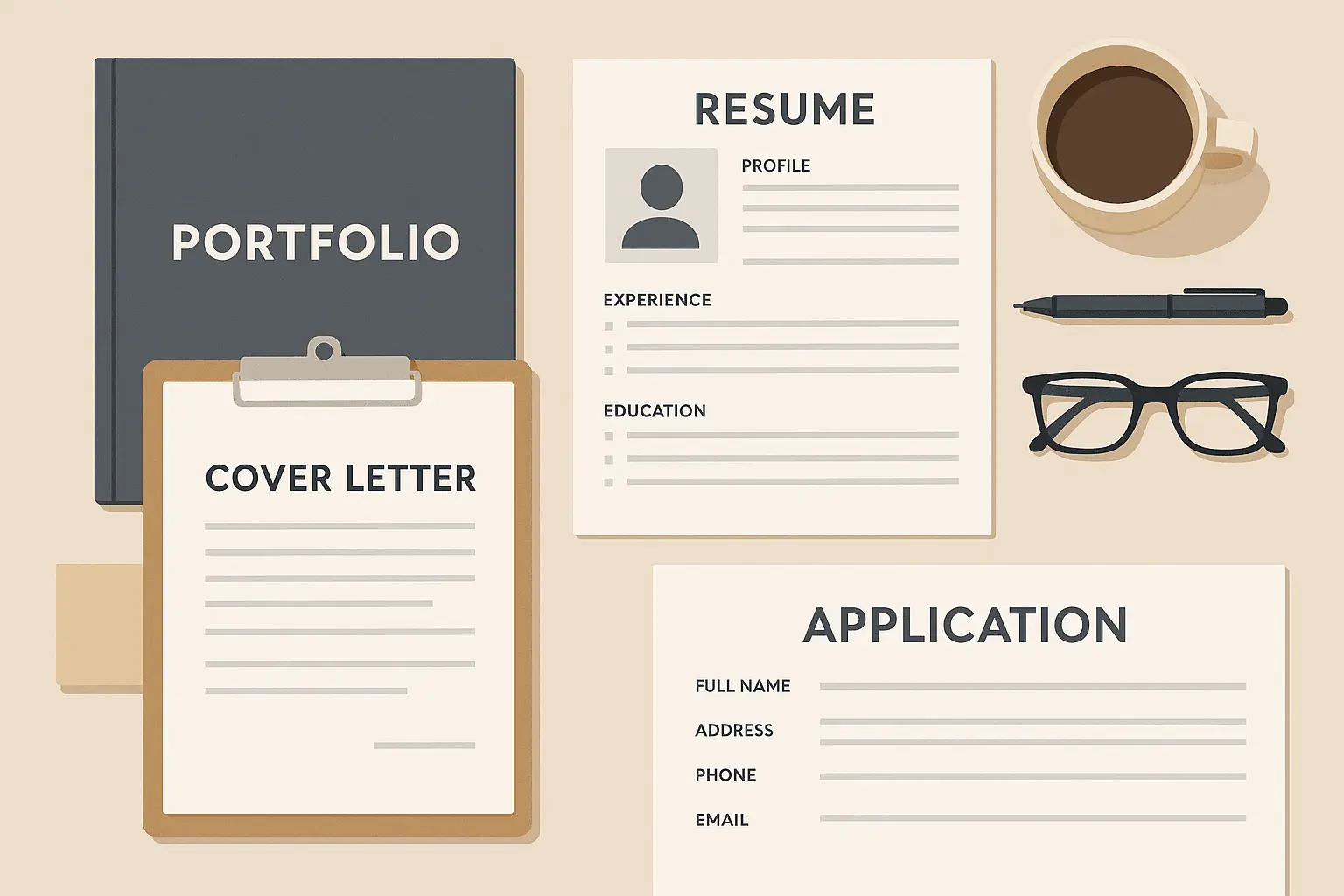
Your portfolio isn't just a collection of your best work - it's a strategic argument for why you belong in their newsroom. Every piece should serve a purpose, showing different skills while building a case for your potential contribution to their coverage.
Portfolio Curation: Quality Over Quantity
Five to eight strong pieces beat twenty mediocre ones every single time. I've seen students kill their chances by including everything they've ever written instead of curating their strongest work. Each piece should make editors think, "We need this person on our team."
Your lead piece is crucial - it's often the only thing busy editors will read. Choose something that required real reporting, multiple sources, or tackled a complex issue with clarity. Show them you can do the work they actually need.
Here's what works: variety that demonstrates range. Breaking news coverage shows you can work fast under pressure. Feature writing proves you can craft compelling narratives. If you've got multimedia content, include it - most outlets need people who think beyond just text.
Published clips carry more weight, but don't panic if you don't have many. Strong unpublished work that shows professional-level thinking can still impress, especially if you can tell the story of how you developed it.
Let me give you an example of how this works in practice: A student wrote about campus food insecurity for a class project. Instead of just including it, she expanded her research, found additional sources, and pitched the enhanced story to the local paper. When it got published, she had a clip that showed initiative and the ability to take academic work to professional standards. That's the kind of thinking editors notice.
Resume Optimization: Highlighting Relevant Experience
Your journalism resume needs to emphasize experiences that show you understand how newsrooms work, even if you've never set foot in one. Campus media experience counts, even if your paper has twelve readers. Editors know that student publications teach the fundamentals - deadline pressure, editorial processes, journalism ethics.
Freelance work, even small assignments for local websites, shows you've worked with real editors and met real deadlines. Include specifics about your assignments and any feedback you received.
Don't ignore non-journalism experience if it's relevant. PR or communications roles show you understand how news gets made from the other side. Language skills are gold in NYC's diverse media market. Even coursework can matter if it's specialized - investigative reporting classes, media law, digital journalism.
Cover Letters: Demonstrating Knowledge and Passion
Generic cover letters are application suicide. You need to show you've actually read their recent coverage and understand what they do. Reference specific articles that impressed you and explain why they resonated - this proves you're an engaged reader, not just someone carpet-bombing applications.
Propose story ideas that fit their coverage areas. This shows news judgment and gives editors a preview of how you think. Address potential concerns head-on - if you're changing careers or lack traditional experience, explain your motivation and highlight transferable skills.
Keep it professional but let your personality show through. Editors want interns who'll fit their team culture and bring energy to the newsroom.
Application Materials Reality Check:
- Your lead portfolio piece should make editors stop scrolling
- 5-8 diverse clips beat 20 mediocre ones
- Your resume should tell a story about your journalism journey
- Cover letters must reference specific recent coverage
- Include a story pitch that shows you understand their audience
- Everything needs to be perfect - typos kill applications instantly
- Make sure your contact info actually works
- Address cover letters to specific people when possible
Networking: Building Relationships That Open Doors
NYC's journalism world is smaller than you think, and building real relationships often matters more than perfect applications. But here's what I mean by networking - not showing up to events with a stack of business cards, but genuinely connecting with people over shared professional interests.
Professional Association Engagement: Meeting Industry Veterans
SPJ's NYC chapter hosts monthly meetings where you can meet working journalists discussing real industry challenges. Attend these regularly and you'll start getting recognized, while staying current on what's actually happening in the field.
Come prepared with thoughtful questions about industry trends, not immediate requests for internship help. Building genuine relationships based on professional curiosity creates stronger connections than transactional networking ever will.
Press club events and journalism awards ceremonies offer additional opportunities. Yes, some require membership fees or ticket purchases, but the investment often pays off through the connections you make.
Alumni Networks: Leveraging Educational Connections
Your school's alumni database probably includes graduates at major NYC outlets who might provide informational interviews or insider perspectives. These connections offer insights into company culture that you can't get from public sources.
Reach out with specific, thoughtful requests rather than generic pleas for help. Reference their recent work, ask about their career path, and request brief informational interviews rather than immediate internship assistance.
Here's how this actually works: A Northwestern student found through LinkedIn that a 2018 grad worked at CNN. Instead of asking for internship help, she reached out with specific questions about the producer's climate policy coverage, mentioning how it influenced her own campus story. That thoughtful approach led to a 30-minute call, advice on CNN's process, and eventually a referral that got her an interview.
Social Media: Building Your Professional Presence
Twitter and LinkedIn aren't just social networks for journalists - they're professional tools. A strong presence shows you understand digital media while providing platforms to showcase your expertise.
Focus on sharing thoughtful commentary on news events, retweeting work you admire, and participating in industry discussions. Avoid controversial personal opinions that could alienate potential employers.
Engage authentically with journalists' content rather than just promoting your own work. Thoughtful responses to their articles can lead to real professional relationships.
Interview Excellence: Preparing for Success
Journalism interviews aren't your typical "tell me about yourself" conversations. They'll test your news judgment, throw ethical scenarios at you, and want to see how you think under pressure. You need to be ready for anything.
Mock Interview Preparation: Practicing Under Pressure
They're going to ask you about whatever's dominating the news cycle that week. Don't just regurgitate what everyone else is saying - have an angle. What story isn't being told? What sources would you call that others might miss?
Practice explaining editorial decisions - when do you publish sensitive information? How do you balance competing interests? These discussions reveal whether you actually understand journalism ethics or just memorized some guidelines.
Be ready to critique their recent coverage constructively. Show you've been paying attention while demonstrating analytical thinking. But don't be a know-it-all - acknowledge what you're still learning.
Prepare smart questions about their editorial priorities, newsroom culture, and what they actually expect from interns. This shows genuine interest while helping you figure out if the place is right for you.
|
What They'll Actually Ask |
How to Actually Prepare |
What They're Really Looking For |
Time You Should Spend |
|---|---|---|---|
|
Current events discussion |
Read major stories daily for 2 weeks |
Can you think critically about news? |
15-20 minutes daily |
|
Ethics scenarios |
Review SPJ Code, practice case studies |
Do you understand journalism principles? |
10-15 minutes |
|
Portfolio walkthrough |
Practice 2-minute summaries of each piece |
Can you explain your reporting process? |
20-25 minutes total |
|
Outlet-specific questions |
Research their recent coverage decisions |
Are you genuinely interested in us? |
10-15 minutes |
|
Your questions for them |
Prepare 5-7 thoughtful questions |
Do you understand what you're getting into? |
10-15 minutes |
Making Every Day Count: Turning Your Internship Into Career Gold
Getting the internship is just step one - now you need to make sure it actually leads somewhere. The interns who turn their summer gigs into real career opportunities aren't necessarily the most talented ones. They're the ones who understand that every interaction, every assignment, and every coffee run is a chance to prove they belong.

Professional Development: Growing Beyond Your Assignments
The best learning happens outside your official responsibilities. While other interns are counting down the days, you should be volunteering for extra projects, asking to sit in on meetings, and building relationships that'll last long after your program ends.
Mentorship: Finding Your Industry Guides
Don't just ask someone to be your mentor - that's weird and puts pressure on them. Instead, build relationships through excellent work and genuine curiosity about their experiences. The mentorship will develop naturally.
Schedule regular check-ins with supervisors and senior staff. Ask about editorial decisions, story development, industry trends. Most experienced journalists love sharing knowledge with interns who show real interest in learning.
Offer to help with projects outside your assigned work when appropriate. This shows initiative while giving you additional learning opportunities and face time with potential mentors.
Skill Enhancement: Maximizing Learning Opportunities
Ask to attend editorial meetings, budget discussions, story planning sessions. These behind-the-scenes experiences teach you how newsrooms actually function beyond what you see in movies.
Volunteer for breaking news coverage or special projects. These high-pressure situations provide valuable experience while showing you can handle whatever they throw at you.
Learn their content management systems and newsroom technologies inside and out. Technical competence makes you more valuable while reducing the burden on staff who might otherwise need to help you constantly.
Here's a real example of how this works: A summer intern at a local NYC TV station noticed the social media coordinator was overwhelmed during breaking news. She volunteered to help manage the Twitter feed, live-tweeting updates and engaging with viewers. Her initiative during the crisis provided crucial assistance and demonstrated her ability to think quickly under pressure. Result? Additional digital responsibilities and a glowing recommendation letter.
Converting Success: From Intern to Professional
Your ultimate goal isn't just to survive your internship - it's to position yourself for future opportunities, whether at your host organization or elsewhere in the industry. This requires strategic thinking about performance, relationship maintenance, and how you present yourself as someone worth hiring.
Performance Excellence: Standing Out From the Pack
Never miss a deadline. Ever. I don't care if it means working late or asking for help - reliability is everything in journalism, and editors remember interns who never let them down.
Pitch original story ideas that show you understand their audience and editorial priorities. Successful pitches demonstrate news judgment while potentially leading to bylined articles that prove your value.
Show growth throughout your internship by taking on increasingly complex assignments and improving your skills. Editors want to see that you're coachable and getting better every week.
Build relationships with sources during your internship and maintain them afterward. A strong source network is one of the most valuable assets any journalist can have.
Take detailed notes during meetings and interviews. Attention to detail distinguishes exceptional journalists from merely competent ones.
Intern Success Timeline That Actually Works:
- Week 1-2: Don't screw up the basics
- Complete every task on time
- Show up early, stay late if needed
- Start building relationships with everyone, not just your boss
- Week 3-4: Start showing initiative
- Pitch your first original story idea
- Volunteer for additional responsibilities
- Ask for feedback and actually implement it
- Week 5-8: Prove you belong
- Lead on a breaking news assignment
- Help train any newer interns
- Contribute meaningfully to editorial discussions
- Week 9-10: Set up your future
- Nail your final project presentation
- Have honest conversations about your performance
- Exchange real contact info with key colleagues
Long-term Relationship Maintenance: Staying Connected
Send thank-you notes at the end of your internship, but make them specific. Mention what you learned from each person and how they contributed to your development. Generic thanks mean nothing.
Provide periodic updates on your career progress. Share published work or professional achievements with former colleagues. This keeps you visible while showing continued growth.
Offer help when you can - provide sources for stories in your expertise area or share relevant information. Real relationships are two-way streets.
Attend industry events where you might see former colleagues. Face-to-face interactions strengthen professional relationships in ways that LinkedIn messages never will.
Surviving NYC as a Journalism Intern: The Practical Essentials
Let's talk about the elephant in the room - finding a place to live in NYC that won't require you to sell a kidney. I've seen too many great interns stress themselves into the ground over housing when they should be focusing on nailing their first week at work.
When you're trying to figure out your housing situation, understanding how student housing works can save you a lot of headaches and give you flexible options that actually make sense for internship timelines.
Housing Solutions: Finding Your NYC Home Base
Housing is going to be your biggest practical challenge, but it's not impossible if you're smart about it. The key is finding something that gives you stability without long-term commitments, keeps you connected to where you need to be, and doesn't eat your entire stipend.
If you're working near the major media outlets in Midtown, consider checking out options like The Central Park Manhattan House for strategic positioning with easy access to networks and publications.
Student Housing: Purpose-Built Solutions for Interns
Student Housing Works gets what journalism interns actually need - flexible, furnished places that don't require you to sign your life away or buy furniture for three months. Their month-to-month setup works perfectly for varying internship lengths, and you can focus on breaking stories instead of worrying about lease commitments.
The community aspect is huge too. Living with other interns and students creates natural networking opportunities that extend beyond journalism. Plus, furnished means you can show up ready to work instead of spending your first week shopping for a mattress.
Their locations near major transit lines mean you can get to breaking news quickly or handle those late-night editorial meetings without stressing about how you're getting home.

Transportation Strategy: Navigating the Media Corridor
Choose housing with easy subway access to Manhattan's media corridor. Most major outlets cluster in Midtown, Lower Manhattan, and Brooklyn's DUMBO area, so understanding these patterns helps minimize commute times while maximizing your ability to cover breaking news.
The 4, 5, 6 trains get you to most Midtown outlets, while the A, C, E lines serve the western side where broadcast networks hang out. Brooklyn's growing media presence makes certain Brooklyn neighborhoods increasingly attractive, especially DUMBO and Williamsburg.
Consider proximity to multiple subway lines, not just one. Service disruptions happen constantly in NYC, and you need backup options when news breaks and you need to get somewhere fast.
Late-night transportation matters for journalism interns since news doesn't follow business hours. Know which lines run 24/7 and plan accordingly.
If you're working in Hell's Kitchen where several media companies have relocated, The Hell's Kitchen House puts you close to both traditional and digital outlets.
Financial Planning: Making Your Money Last
Many journalism internships pay very little or nothing at all, so you need to be smart about stretching every dollar while still experiencing what the city has to offer. The good news? NYC has tons of free and cheap options if you know where to look.
Cost Management: Stretching Your Budget
Student discounts are everywhere - carry your ID and always ask. Free events happen constantly, from museum days to outdoor concerts to professional networking events. Many provide both entertainment and career development opportunities.
Cook at home or share meals with fellow interns. Building relationships while saving money is a win-win situation. Walk when possible - it saves money and helps you learn the city while potentially discovering story opportunities you'd miss underground.
Professional development events often include free food and networking, providing both career advancement and budget-friendly meals.
For affordable options in Upper Manhattan with good subway connections, The Upper Manhattan House can provide budget-friendly alternatives to expensive Midtown living.

Real NYC Intern Budget (No BS Version):
- Housing (40-50% of your money)
- Student housing: $1,200-2,000/month
- Shared apartments: $800-1,500/month
- Sublets: $1,000-1,800/month
- Getting around (10-15%)
- Monthly MetroCard: $132
- Occasional Uber when you're running late: $50-100/month
- Food (20-25%)
- Groceries if you actually cook: $300-400/month
- Eating out because you're too tired to cook: $200-300/month
- Professional stuff (5-10%)
- Networking events: $50-100/month
- Clothes that don't make you look like a college student: $100-200/month
- Emergency fund (10-15%)
- For when everything goes wrong: $200-400/month
Final Thoughts
Bottom line? Some of you reading this won't get your dream internship this year. That's not failure - that's statistics. The question is: what are you going to do with the opportunities you do get?
Landing and succeeding in a journalism internship in NYC requires strategic planning, relentless preparation, and smart decisions about the practical stuff like housing and money. The city's media landscape offers incredible opportunities, but success depends on your ability to handle both the professional challenges and the reality of living in one of the world's most expensive cities.
The housing piece becomes way more manageable when you work with providers who understand what interns actually need. Learning how flexible housing solutions work eliminates one major stressor so you can focus on building your career instead of worrying about lease commitments or furnished apartments. Plus, living with other students and interns creates networking opportunities that extend well beyond your internship period.
Your success in NYC's journalism market comes down to preparation, performance, and persistence. The city rewards people who show up ready with strong portfolios, clear goals, and the practical planning necessary to thrive in one of the world's most demanding media environments.
Not every application will be perfect - mine sure weren't. You'll probably get rejected. A lot. That's normal. But if you're strategic about where you apply, honest about what you want to learn, and willing to work harder than everyone else once you get there, you can turn an NYC journalism internship into the foundation for the career you actually want.