
Table of Contents
TL;DR
- NYC has the best marketing internships, period - but everyone knows this, so competition is brutal
- Summer applications open in January with March-April deadlines; fall/spring positions are more flexible but still competitive
- You need way more than good grades - portfolio work, real skills, and connections matter most
- Agency interviews test creativity, corporate ones focus on analytics, startups want scrappy problem-solvers
- Your first month determines everything - mess it up and you're just another intern
- There's a ton of unwritten rules about agency culture, pay scales, and career paths that can make or break you
- Start preparing at least 6 months early or you're already behind
Understanding NYC's Marketing Scene (And Why It's Worth the Stress)
Look, if you want to break into marketing, NYC is where it's at. This city is packed with everything from massive ad agencies on Madison Avenue to scrappy startups in Brooklyn, and honestly? There's no better place to learn the ropes and make connections that'll change your career.
But here's the thing everyone glosses over - it's incredibly competitive. Like, soul-crushingly competitive sometimes. You're not just competing with students from your school; you're up against kids from Harvard, Columbia, NYU, and basically every other college in the country who thinks they want to work in marketing.
Marketing internships NYC represent an excellent opportunity for aspiring marketers to apply classroom theories to real-world marketing campaigns and strategies. According to NACE's 2023 Internship and Co-Op Report, employers seek interns with communication, teamwork, and critical thinking skills, making NYC's competitive environment the perfect testing ground for developing these essential capabilities.
Why NYC Marketing Experience Actually Changes Everything
The difference between working marketing in NYC versus anywhere else is like the difference between playing pickup basketball and playing in the NBA. Sure, it's the same game, but the level is completely different.
When you're working on campaigns here, you're dealing with budgets that could fund entire marketing departments in smaller cities. I've watched interns go from never having touched a real campaign to managing million-dollar social media launches in the span of a few weeks. It's intense, but that's exactly what makes it so valuable.
The networking alone is worth the stress. In other cities, you might meet a few marketing people at organized events. In NYC, you'll bump into a creative director at your local coffee shop, sit next to a brand manager on the subway, or find yourself at a party where half the people work at different agencies. It's just the reality of how concentrated the industry is here.
You're Learning from the People Who Literally Wrote the Playbook
This isn't an exaggeration. The strategies you studied in your marketing classes? A lot of them were developed by people working in NYC right now. When you're interning at Wieden+Kennedy or Ogilvy, you're not just learning marketing - you're learning from the people who created the campaigns that defined modern advertising.
I remember talking to an intern who worked on a Nike campaign that ended up being studied in marketing classes the following semester. That's the kind of full-circle experience you get here.
Here's Something Most Students Don't Realize: Timing Is Everything
Missing the application window means you're basically out of luck for the competitive summer programs. These aren't like regular internships where you can apply whenever - they follow strict timelines because agencies plan their summer campaigns and budgets months in advance.
Summer internship competition is absolutely brutal because everyone wants those coveted 10-12 week programs. Applications typically open in January, and most deadlines hit between March and April. Why so early? Because companies are doing their Q1 planning and figuring out what kind of support they'll need for their biggest campaigns of the year.
Fall and spring internships are different animals entirely. They're more flexible because companies are filling immediate needs rather than running structured programs. Fall positions often open up in July or August when agencies realize they're swamped with back-to-school campaigns or Q4 planning and need extra hands.
The entertainment industry continues to offer valuable marketing internship opportunities, with "WABC-TV internships" providing hands-on experience in audience development and live television production, demonstrating how traditional media companies integrate marketing with content creation.
|
Application Timeline |
Summer Programs |
Fall Programs |
Spring Programs |
|---|---|---|---|
|
Application Opens |
January |
July-August |
October-November |
|
Deadline |
March-April |
September-October |
December-January |
|
Program Duration |
10-12 weeks |
12-16 weeks |
12-16 weeks |
|
Competition Level |
Highest |
Moderate |
Lowest |
|
Budget Planning |
Q1 Planning |
Q4 Support |
Q2 Launch Prep |
The Secret Advantage Nobody Talks About
Spring internships (January-May) are where smart students find opportunities. Most people are so focused on summer programs that they completely ignore spring positions. If you're willing to adjust your class schedule, you'll face way less competition and often get better projects because you're not competing with 50 other summer interns for attention.
Some agencies also run winter break intensives - these short-term programs during December and January that give you concentrated experience. They're rarely advertised publicly, so you have to dig for them through networking.
The Three Completely Different Worlds of NYC Marketing
NYC's marketing scene isn't one thing - it's basically three different industries that happen to be in the same city. Understanding these differences is crucial because what works for getting an agency internship will completely bomb at a startup.

Agency Life: Where Creative Meets Chaos
Traditional ad agencies are exactly what you picture when you think "Mad Men," except with more diversity and way more technology. You'll learn the classic marketing education - client presentations, campaign development, and how creative teams actually work together (spoiler: it involves a lot of arguing, but productive arguing).
Digital agencies are completely different. Everything is about performance metrics, A/B testing, and proving ROI. If you can't explain why a campaign worked using actual numbers, you're not going to last long. These internships teach you to think like a marketer who actually has to justify their budget.
PR agencies offer something unique - you learn how to handle crises, manage reputations, and work with media. It's high-pressure work because when things go wrong, they go very wrong very publicly.
Corporate Marketing: Where Strategy Meets Reality
Working in-house at a big corporation is like seeing marketing from the inside out. Instead of trying to impress clients, you're trying to move business metrics. You'll understand how marketing actually integrates with sales, product development, and customer service - the stuff that agencies often don't see.
Corporate internships usually come with more structured mentorship and formal training. You'll get access to enterprise-level tools and see how marketing works when you have real budgets and long-term strategy horizons.
Startup Marketing: Where Everything Is Possible (And Terrifying)
Startup marketing internships are not for everyone. You'll wear multiple hats, see immediate results from your work, and learn to be creative with basically no budget. It's the wild west of marketing.
The learning curve is insane. You might launch a social campaign on Monday and be analyzing its performance data by Wednesday. There's no time for extensive approvals or committee decisions - you learn by doing, and you learn fast.
The best marketing internships in NYC often combine elements from all three of these worlds, giving you exposure to both big-picture strategy and day-to-day execution.
How to Actually Get Noticed by Top Companies
Here's what nobody tells you: by the time you're submitting applications, you're already months behind the students who are going to get the best internships. The real work happens way before application deadlines.
Start Building Your Foundation Now (Not Later)
Successful candidates don't just have good GPAs - they have portfolios, real skills, and industry connections that prove they're serious about marketing. This stuff takes time to develop, and you can't fake it.
Your portfolio is what separates you from the hundreds of other qualified candidates. Start creating work immediately, even if it's just for made-up companies or local businesses. Design social media campaigns, write blog posts analyzing why certain campaigns worked or failed, develop marketing plans for student organizations.
But here's the key - don't just learn theory. Get certifications in tools that NYC companies actually use. Google Analytics, Facebook Ads Manager, HubSpot - these certifications are free and immediately valuable. Most students skip this step, but hiring managers notice when you can discuss campaign metrics intelligently instead of just regurgitating textbook concepts.
Take my friend Sarah from NYU. Instead of waiting until application season, she spent her entire sophomore year creating a complete marketing campaign for a local coffee shop - social media content, email marketing, performance projections, the works. When interview time came, she wasn't just talking theory; she had real metrics and strategic decisions to discuss. That's what got her the Madison Avenue internship.
Skills That Actually Matter (Not What Your Professors Think)
Don't just learn marketing theory - develop practical skills that solve real business problems. Volunteer to manage social media for local nonprofits, create content for your own personal brand, take on marketing projects for student organizations.
Learn basic design principles and tools. You don't need to become a designer, but being able to create professional-looking presentations and social media graphics makes you incredibly valuable to small teams.
Data analysis skills are becoming non-negotiable. Learn Excel functions, understand how to create meaningful charts and graphs, get comfortable with Google Sheets collaboration. These skills prove you can turn campaign data into actionable insights.

Industry Knowledge That Actually Impresses
Reading Marketing Land and following industry leaders on LinkedIn is just the starting point. You need to engage with the content - comment thoughtfully, share insights that demonstrate analytical thinking, and show you can connect trends to business implications.
Attend virtual marketing conferences and webinars. Many are free for students and give you current insights into industry challenges. Take notes and reference specific learnings in your cover letters and interviews. This shows you're staying current with real industry issues, not just academic concepts.
Application Materials That Don't Suck
Your application materials need to prove two things: that you understand marketing and that you understand their specific company. Generic applications get ignored, period.
Resume optimization for marketing roles is different from other industries. Use action verbs that demonstrate impact: "increased," "optimized," "launched," "analyzed." Quantify everything you can, even from part-time jobs or volunteer work.
Include relevant coursework, but focus on projects and outcomes rather than just listing class names. "Developed integrated marketing campaign for local restaurant, resulting in 25% increase in social media engagement" tells a much better story than "Completed Marketing 301."
Application Materials Checklist:
- Resume with quantified marketing achievements
- Cover letter customized for each company
- Portfolio with 3-5 sample campaigns or projects
- LinkedIn profile optimized with marketing keywords
- Professional email address and voicemail message
- References from professors or previous supervisors
- Creative samples (if applying to creative roles)
- Writing samples demonstrating strategic thinking
Cover Letters That Actually Get Read
Research each company's recent campaigns and mention specific work that resonates with you. This shows you've done homework beyond just reading their website's "About Us" page.
Connect your background to their current needs. If they recently launched a sustainability campaign and you've volunteered for environmental organizations, make that connection explicit. Show how your unique perspective adds value to their team.
Keep it concise but personal. Hiring managers read hundreds of applications - respect their time while demonstrating your enthusiasm clearly.
Creative Submissions That Show Strategic Thinking
Some positions request creative submissions or campaign ideas. Treat these as opportunities to demonstrate strategic thinking, not just creativity. Start with clear objectives, identify target audiences, and explain your reasoning process.
Research the company's current challenges or opportunities. If they're expanding into new markets, propose a campaign strategy. If they're launching new products, suggest positioning approaches. Show you understand their business context, not just marketing theory.
Networking That Actually Opens Doors
For students seeking marketing internships in NYC, securing reliable housing becomes crucial for attending networking events and interviews. Student Housing Works offers flexible arrangements that align with internship timelines and provide access to Manhattan's marketing district.
Networking isn't about collecting business cards at events - it's about building genuine relationships with people who can teach you about the industry and potentially recommend you for opportunities.
Professional organizations provide structured networking opportunities, but approach them strategically. Join student chapters of the American Marketing Association and attend NYC chapter events with specific goals - learn about industry trends, meet professionals in your areas of interest, build relationships gradually.
Informational interviews are incredibly effective, but most students mess them up completely. Focus on learning rather than asking for internships directly. Prepare thoughtful questions about career paths, industry challenges, and company cultures.
LinkedIn Strategy That Actually Works
Your LinkedIn profile needs marketing-focused keywords, but avoid buzzword overload. Write a summary that tells your story and explains your marketing interests clearly. Share relevant content and engage thoughtfully with posts from industry professionals.
When connecting with new contacts, always include personalized messages referencing where you met or what you found interesting about their work. Generic connection requests get ignored or deleted.
Follow up with new connections periodically by sharing relevant articles or insights. This keeps you visible without being annoying and demonstrates your ongoing interest in the industry.
Your School's Alumni Database Is Gold
Your school's alumni database is seriously underutilized. Search for graduates working in NYC marketing and reach out with specific questions about their career paths and companies. Most alumni are genuinely willing to help current students.
Career services offices often have relationships with NYC companies that aren't widely advertised. Schedule regular check-ins with career counselors and express specific interest in marketing internships - they may have insider knowledge about upcoming opportunities.

Interview Prep That Goes Beyond Generic Advice
NYC marketing interviews are nothing like the generic interview prep you'll find in most career guides. They combine behavioral questions with creative challenges and case studies that test both analytical and creative thinking - and the approach varies dramatically depending on whether you're interviewing at an agency, corporation, or startup.
Different Companies, Completely Different Interview Styles
Understanding how agencies, corporations, and startups approach interviews differently lets you prepare appropriately and show the specific qualities each type of organization values most.
Agency interviews focus heavily on cultural fit and creative thinking. Expect questions about your favorite campaigns, creative challenges that test your ability to think on your feet, and discussions about how you handle feedback and collaboration in fast-paced environments.
Prepare to discuss recent campaigns you admire, but go way beyond surface-level appreciation. Explain the strategic thinking behind creative executions, identify target audiences, and suggest how campaigns could be improved or adapted for different markets.
When my friend James interviewed at Wieden+Kennedy, they asked him to critique a recent Nike campaign. Instead of just saying he liked it, he analyzed the target demographic (Gen Z athletes), explained how the visual storytelling connected with their values around authenticity, and suggested how the campaign could be adapted for international markets. That depth of analysis showed both creative appreciation and strategic thinking.
Corporate Interview Reality
Corporate interviews emphasize analytical thinking and business acumen. You'll likely encounter case studies that test your ability to analyze marketing problems and propose data-driven solutions.
Practice explaining marketing concepts in business terms. Instead of just discussing creative ideas, focus on how campaigns drive revenue, reduce customer acquisition costs, or improve brand awareness metrics that actually matter to the bottom line.
Prepare examples that demonstrate your ability to work within established processes and collaborate across departments. Corporate environments value team players who can execute strategies consistently without constant hand-holding.
Startup Interview Chaos (In a Good Way)
Startup interviews assess your ability to thrive in ambiguous, fast-paced environments. Expect discussions about growth hacking, scrappy marketing tactics, and your comfort level with wearing multiple hats and figuring things out as you go.
Demonstrate resourcefulness by sharing examples of achieving results with limited resources. Startups want interns who can find creative solutions to marketing challenges without big budgets or established processes.
Show genuine enthusiasm for learning quickly and adapting to changing priorities. Startup marketing moves incredibly fast, and successful interns embrace uncertainty rather than seeking constant direction and approval.
What You Actually Need to Prepare For
Comprehensive interview preparation requires developing skills in campaign analysis, staying current with industry trends, preparing behavioral responses, and understanding technical marketing concepts that demonstrate you're ready to contribute immediately.
Campaign Analysis That Impresses
Develop a consistent framework for analyzing marketing campaigns that you can apply during interviews. Consider objectives, target audiences, channel selection, creative execution, and measurable outcomes - but do it naturally, not like you're reading from a textbook. Practice explaining why certain campaigns succeed or fail by looking beyond creative elements to understand strategic decisions, budget allocation, and performance metrics. This analytical approach shows you think like a marketer, not just a consumer.
Prepare to discuss campaigns across different industries and marketing channels. Agencies want versatile thinkers who can adapt strategies across client categories, not just people who only understand one type of marketing.
Campaign Analysis Framework:
- Identify campaign objectives and KPIs
- Analyze target audience and positioning
- Evaluate channel selection and media mix
- Assess creative execution and messaging
- Review performance metrics and ROI
- Suggest improvements or optimizations
- Consider scalability and adaptability
Industry Trend Awareness That Matters
Stay current on emerging marketing technologies, privacy regulations, and shifting consumer behaviors. Interviewers often ask about industry challenges to assess your strategic thinking and genuine professional curiosity.
Understand how iOS privacy changes affect digital advertising, how TikTok is changing content marketing, and how economic uncertainty impacts marketing budgets. These topics demonstrate your awareness of real business challenges that companies are actually dealing with right now.
Behavioral Questions That Don't Suck
Use the STAR method (Situation, Task, Action, Result) to structure responses to behavioral questions, but make it conversational. Prepare examples that demonstrate leadership, problem-solving, teamwork, and handling criticism without sounding rehearsed.
Marketing roles require collaboration and creativity under pressure. Prepare examples that show how you've navigated team conflicts, adapted to changing requirements, or recovered from mistakes. Everyone makes mistakes - what matters is how you handle them.
Technical Knowledge That Shows You're Serious
Understand basic marketing metrics without trying to sound like an expert. Demonstrating familiarity with performance measurement shows professional seriousness and that you understand marketing is about business results, not just creativity.
Learn how different marketing channels work together in integrated campaigns. Explain how social media supports SEO efforts, how email marketing nurtures leads generated through paid advertising, and how content marketing builds brand awareness that supports other channels.

Making Your Internship Count for Something
Once you land an internship, how you approach the program determines whether it becomes a stepping stone to full-time opportunities or just another line on your resume. The difference comes down to strategic relationship building, proactive learning, and documenting your achievements.
Your First 30 Days Determine Everything
Many successful marketing interns find that living in student-focused housing provides the stability needed to excel during those crucial first weeks, allowing them to focus on making strong impressions rather than worrying about housing logistics. The Central Park Manhattan House offers this kind of supportive environment for ambitious students.
The initial month establishes your reputation, determines how much responsibility you'll get, and sets the tone for potential return offers. Mess this up, and you're just another intern taking up desk space.
Your first week is absolutely critical for setting expectations. Show up early, stay late when appropriate, and demonstrate genuine enthusiasm for learning. First impressions in marketing are particularly important because the industry values energy and creativity - if you seem bored or disengaged, people notice immediately.
Introduce yourself to team members across departments, not just your immediate supervisor. Marketing success requires cross-functional collaboration, and building relationships early opens doors to diverse learning opportunities and gives you a broader perspective on how the business works.
The theater industry demonstrates how internships can provide comprehensive exposure to marketing and producing processes. A recent "theatrical producing and marketing internship" in NYC offers hands-on experience across multiple projects in development and production, showing how interns can gain exposure to all aspects of the marketing process while maintaining confidentiality and working in deadline-driven environments.
Developing Your Learning System
Create a systematic approach to tracking what you learn, projects you work on, and feedback you receive. This documentation becomes incredibly valuable for future interviews and helps you identify areas where you need to keep growing.
Take detailed notes during meetings and ask clarifying questions when you don't understand something. Marketing moves fast, and showing you're paying attention and processing information quickly builds confidence in your abilities.
Set up regular check-ins with your supervisor to discuss expectations, progress, and areas for improvement. Proactive communication prevents small issues from becoming major problems and shows you're serious about doing good work.
Creating Value Beyond Your Job Description
Look for ways to contribute beyond assigned tasks. Volunteer for additional responsibilities, offer to help with research projects, and suggest improvements to existing processes based on your fresh perspective as an outsider.
Bring student insights to the team. Your generation's perspective on social media, emerging platforms, and cultural trends provides genuine value to marketing teams targeting younger demographics. Don't be afraid to share your opinions.
Mid-Program: Building on Your Foundation
The middle portion of your internship offers opportunities to take ownership of meaningful projects, contribute innovative ideas, and build cross-functional relationships that demonstrate your potential for full-time success.
|
Internship Phase |
Week Range |
Key Focus Areas |
Success Metrics |
|---|---|---|---|
|
Foundation |
1-2 |
Relationship building, learning systems |
Team integration, process understanding |
|
Skill Building |
3-6 |
Project contribution, tool mastery |
Quality deliverables, positive feedback |
|
Value Creation |
7-10 |
Initiative taking, innovation |
Measurable impact, recognition |
|
Transition Prep |
11-12 |
Documentation, networking |
Portfolio completion, reference securing |
Taking Ownership of Real Projects
Treat every project like your reputation depends on the outcome - because it does. Marketing internships often involve high-visibility work that senior leadership reviews, making quality execution crucial for future opportunities.
When given creative assignments, present multiple options with clear rationales for each approach. This demonstrates strategic thinking and gives supervisors confidence in your decision-making abilities.
Document your project contributions carefully, including metrics and outcomes where possible. This information becomes essential for future job applications and performance reviews.
Innovation and Fresh Perspectives
Marketing teams genuinely value fresh perspectives, especially from interns who understand emerging trends and platforms. Share insights about new social media features, cultural shifts, or consumer behaviors you've observed.
Propose process improvements based on your observations. Sometimes outsiders spot inefficiencies that team members have accepted as normal. Frame suggestions positively and offer to help implement changes.
Cross-Functional Collaboration
Seek opportunities to work with sales, product, analytics, and customer service teams. Understanding how marketing integrates with other business functions makes you more valuable and provides broader career perspectives.
Attend cross-departmental meetings when possible and ask thoughtful questions about how different teams measure success. This curiosity demonstrates business acumen and strategic thinking beyond just marketing tactics.

Setting Yourself Up for What Comes Next
The final weeks of your internship are crucial for securing future opportunities through performance documentation, relationship maintenance, and strategic positioning for return offers or strong recommendations.
Building Your Portfolio
Create a comprehensive portfolio of your internship work that showcases both process and results. Include campaign briefs you wrote, presentations you delivered, and any measurable outcomes from your contributions. This portfolio becomes your most powerful tool for future interviews.
Quantify your impact wherever possible. Did your social media content generate higher engagement rates? Did your research contribute to a successful campaign launch? Numbers tell compelling stories that hiring managers remember.
Maintaining Strategic Relationships
Develop a systematic approach to staying connected with colleagues and supervisors after your internship ends. LinkedIn connections are just the starting point - plan periodic updates about your career progress and continued engagement with their content.
Ask for specific feedback about your performance and areas for improvement. This information helps you grow professionally and shows maturity that supervisors remember when making hiring decisions.
Request informational interviews with team members in roles that interest you. These conversations provide career guidance and keep you visible within the organization for future opportunities.
My friend Maria created a "30-60-90 day post-internship plan" that included monthly check-ins with her supervisor, quarterly updates to her LinkedIn network, and bi-annual coffee meetings with key contacts. This systematic approach led to three job referrals and ultimately a full-time offer from her original internship company six months after graduation.
What They Don't Teach You in School
Understanding the unwritten rules, cultural norms, and insider knowledge of NYC's marketing industry gives you competitive advantages that academic preparation alone can't provide. From agency hierarchies to compensation negotiation strategies, this stuff matters way more than most students realize.
Agency Culture: The Unwritten Rules
Each type of marketing organization operates with distinct cultural norms, communication styles, and success metrics that successful interns must quickly understand and adapt to. Miss these cues, and you'll struggle no matter how talented you are.
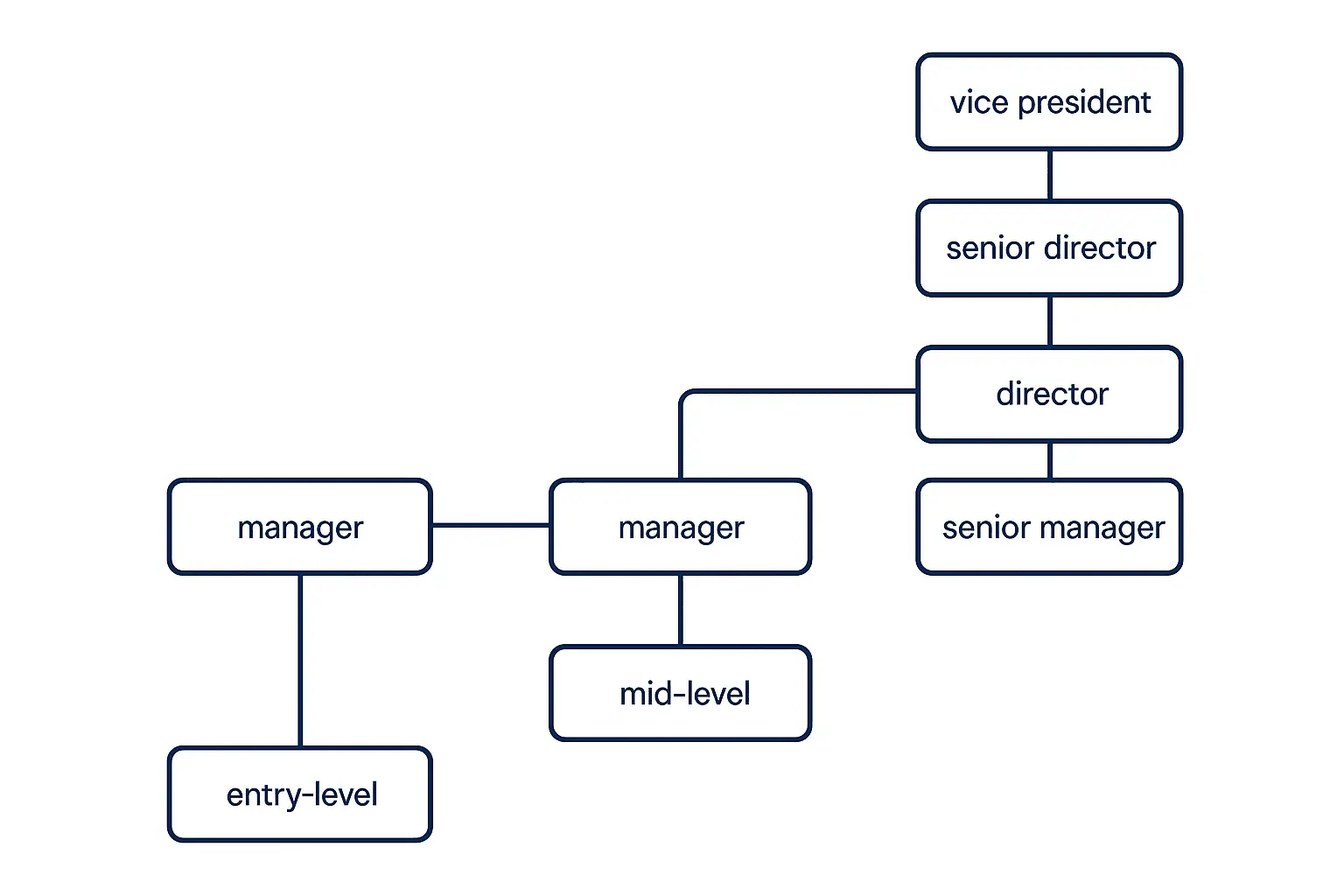
Traditional advertising agencies operate with clear hierarchies that interns must understand to communicate effectively. Account Executives (AE) manage day-to-day client relationships, Senior Account Executives (SAE) handle strategic planning, and Account Directors (AD) oversee major client portfolios.
Respect these hierarchies in your communications. Don't bypass your immediate supervisor to share ideas with senior leadership unless specifically invited to do so. Agency culture values proper channels and professional courtesy - breaking protocol can damage relationships quickly.
Creative Department Dynamics
The art director/copywriter partnership forms the creative foundation of most campaigns. Understanding this collaboration helps you contribute more effectively to creative development and appreciate the strategic thinking behind campaign executions.
Account management serves as the bridge between creative teams and clients, translating business objectives into creative briefs and defending creative work during client presentations. This role requires both analytical and diplomatic skills.
Client service excellence means anticipating needs, communicating proactively, and maintaining professional relationships even during challenging projects. Your reputation for reliability and professionalism follows you throughout your career in this surprisingly small industry.

Digital Marketing Specialization Paths
NYC's digital marketing landscape offers numerous specialization opportunities, each requiring specific technical skills and strategic knowledge that can significantly impact your career trajectory and earning potential.
Performance Marketing Reality
Performance marketing focuses on measurable outcomes - clicks, conversions, and revenue generation. Master platforms that allow precise targeting and measurement, but understand that attribution is getting more complex as privacy regulations evolve.
Attribution modeling becomes crucial as campaigns span multiple touchpoints. Understand how first-click, last-click, and multi-touch attribution models affect campaign optimization and budget allocation decisions.
Develop expertise in A/B testing methodologies, statistical significance, and conversion rate optimization. These skills provide immediate value to employers and demonstrate your ability to improve campaign performance systematically rather than just guessing what might work.
Content Marketing Strategy
Content marketing requires understanding SEO fundamentals, keyword research, and how content supports broader marketing objectives. Learn to create content calendars that align with business goals and seasonal trends.
Storytelling skills translate across all marketing channels. Practice crafting narratives that engage audiences while supporting brand positioning and business objectives. This versatility makes you valuable across different marketing roles.
Social media content creation involves understanding platform-specific best practices, audience behaviors, and emerging features. Stay current with algorithm changes and new platform launches that affect content distribution strategies.
Marketing Technology Mastery
Familiarize yourself with common marketing technology stacks including CRM systems, email marketing platforms, and analytics tools. This technical knowledge makes you immediately more valuable.
Marketing automation platforms streamline lead nurturing and customer communication. Understanding how to set up automated workflows and segment audiences based on behavior demonstrates advanced marketing sophistication.
Data visualization tools help communicate campaign performance to stakeholders. Being able to create clear, compelling reports from complex data sets makes you invaluable to marketing teams.

Money Talk: Compensation and Career Advancement
Understanding salary ranges, negotiation strategies, and career progression paths helps you make informed decisions about internship opportunities and position yourself for long-term success in NYC's competitive marketing landscape.
What People Actually Make
Research typical internship stipends using industry resources and contacts. Most NYC marketing internships pay $15-25 per hour, with variation based on company size, industry, and specific role responsibilities. Some prestigious agencies still offer unpaid positions, which is honestly pretty frustrating but still happens.
Full-time starting salaries for marketing roles typically range from $45-65K, with significant variation based on company type, role specialization, and individual negotiation skills. Agency roles often start lower but offer faster advancement opportunities and better portfolio building.
Consider total compensation packages including health benefits, professional development opportunities, and potential for advancement when evaluating offers. Sometimes lower base salaries come with better learning opportunities and career growth potential.
Non-Monetary Value Assessment
Evaluate internships based on learning opportunities, mentorship quality, and portfolio development potential. Unpaid positions at prestigious agencies sometimes provide better career advancement than paid roles with limited growth opportunities.
Access to industry events, training programs, and networking opportunities adds significant value beyond monetary compensation. These experiences often lead to future job opportunities and professional relationships that pay off long-term.
Company culture and work-life balance affect long-term career satisfaction. Research employee reviews and ask current interns about their experiences to understand what daily work life actually involves.
Future Opportunity Pipeline
Investigate companies' track records for hiring interns full-time. Some organizations use internship programs as extended interviews, while others view interns as temporary support without advancement opportunities.
Connect with previous intern classes through LinkedIn to understand typical career progression paths. This research helps you choose internships that align with your long-term career goals rather than just immediate needs.
Your Month-by-Month Game Plan
A systematic, chronological approach to internship preparation ensures you don't miss critical deadlines or opportunities while building the skills, relationships, and application materials necessary for success in NYC's competitive marketing landscape.
6 Months Before Application Deadlines
Early preparation separates successful candidates from those who scramble at the last minute. This requires honest skills assessment, strategic learning plans, and foundation building that demonstrates genuine commitment to marketing careers.
Conduct an honest assessment of your current marketing skills and identify specific gaps that need addressing. Create a learning plan using free resources and certifications that companies actually value.
Start building your portfolio immediately with sample work that demonstrates your thinking process and creative abilities. Design social media campaigns for local businesses, write blog posts analyzing successful marketing campaigns, or develop comprehensive marketing plans for student organizations.
Begin following industry publications and thought leaders on LinkedIn. Engage thoughtfully with content by sharing insights and asking questions that demonstrate your analytical thinking and professional curiosity.
Skills Development Timeline
Dedicate 5-10 hours per week to learning marketing tools and concepts that NYC companies actually use. Focus on practical skills rather than just theoretical knowledge that won't help you day one on the job.
Take on marketing projects for student organizations or volunteer opportunities that provide real-world experience. These projects become portfolio pieces and demonstrate your ability to apply marketing concepts practically.
Start attending virtual marketing conferences and webinars to build industry knowledge and identify trends that you can reference in applications and interviews.
6-Month Preparation Checklist:
- Complete Google Analytics certification
- Build portfolio with 3-5 sample projects
- Follow 20+ industry leaders on LinkedIn
- Attend 2-3 virtual marketing conferences
- Join relevant student marketing organizations
- Create professional email and LinkedIn profile
- Research 50+ target companies
- Begin informational interview outreach
3-4 Months Before Applications Open
Students preparing for marketing internships often benefit from NYC housing options that provide networking opportunities with peers in similar industries. Properties like The Lexington House offer community environments where marketing students can share insights and practice interview skills together.
This critical preparation period focuses on intensive research, strategic networking, and application material development that positions you as a knowledgeable, well-prepared candidate who understands specific companies and industry challenges.
Create a comprehensive spreadsheet of target companies including recent campaigns, key personnel, application deadlines, and specific internship program details. This research becomes the foundation for customized applications that actually get noticed.
Launch your informational interview campaign by reaching out to 2-3 marketing professionals per week. Focus on learning about their career paths, company cultures, and industry insights rather than directly asking for internship opportunities.
Optimize your LinkedIn profile with marketing-focused keywords and start engaging regularly with content from target companies and industry leaders. Share relevant insights and comment thoughtfully on posts to build visibility.
Application Material Development
Draft resume templates that emphasize marketing-relevant experiences and achievements. Use action verbs that demonstrate impact and quantify results whenever possible, even from part-time jobs or volunteer work.
Write cover letter templates that you can customize for each application. Research each company's recent campaigns and challenges so you can personalize your messaging effectively and show genuine interest.
Prepare creative submission templates for positions that request campaign ideas or marketing proposals. Develop frameworks for strategic thinking that you can adapt to different company needs and challenges.

Application Period Execution
When applications open, systematic execution and strategic follow-up separate you from candidates who submit generic applications. This requires detailed tracking systems and personalized approaches for each opportunity.
Implement a detailed application tracking system that monitors deadlines, required materials, contact information, and follow-up schedules for each opportunity. This organization prevents missed deadlines and ensures consistent follow-up that keeps you visible.
Spend 2-3 hours customizing each application by researching recent company news, campaigns, and specific internship program details. This investment in personalization significantly improves your response rates compared to generic mass applications.
Develop a strategic follow-up protocol that adds value rather than just checking in. Share relevant industry insights, additional work samples, or thoughtful questions about recent company initiatives.
Quality Over Quantity Strategy
Focus on 15-20 high-quality applications rather than mass-applying to every available position. Targeted applications with thorough customization perform significantly better than generic submissions to 100+ companies.
Research hiring managers and team members on LinkedIn to understand their backgrounds and interests. This information helps you craft more compelling applications and identify potential networking opportunities.
Interview Phase Excellence
Converting interview opportunities into offers requires intensive preparation that goes beyond basic research, involving mock interviews, company-specific strategy development, and systematic follow-up that reinforces your candidacy.
Conduct practice interviews with career services, marketing professors, and industry contacts. Focus on both behavioral questions and case study scenarios that test your analytical and creative thinking abilities.
For each interview, prepare 3-5 thoughtful questions about recent campaigns, company challenges, and growth opportunities that demonstrate deep research and genuine interest in their specific business.
Develop company-specific talking points that connect your background to their needs and challenges. Show how your unique perspective and experiences add value to their team and objectives.
Post-Interview Excellence
Send personalized thank-you notes within 24 hours that reference specific conversation points and reiterate your interest with additional relevant insights or resources that demonstrate continued engagement.
Continue engaging with the company's content on social media and share relevant industry insights that demonstrate your ongoing interest and professional development.
Follow up strategically if you haven't heard back within their stated timeline, offering additional information or expressing continued enthusiasm without appearing desperate or pushy.

When you're managing this intensive preparation and application process, having stable, convenient housing becomes essential for success. Student Housing Works understands the unique challenges facing marketing interns in NYC's competitive environment.
Our strategically located properties provide easy access to subway lines, ensuring you can reach interviews in Midtown agencies or startup offices in Brooklyn without transportation stress. The Park Avenue House provides easy access to subway lines, ensuring you can reach interviews in Midtown agencies or startup offices in Brooklyn without transportation stress. The flexible housing dates align perfectly with varying internship timelines, whether you need accommodation for a 10-week summer program or a semester-long position.
Living in a community of ambitious students and interns creates natural networking opportunities and peer support systems. When you're preparing for challenging case study interviews or need feedback on creative presentations, having like-minded neighbors who understand the pressures of launching careers in competitive industries becomes invaluable. The Hamilton House fosters these collaborative environments.
By securing reliable housing through Student Housing Works, you can focus your energy on what matters most: landing that dream marketing internship and making the most of the experience to launch your career in New York City's dynamic marketing landscape.
Final Thoughts
Successfully landing and making the most of marketing internships in NYC requires way more than good grades and generic preparation. It demands systematic preparation, strategic networking, and genuine commitment to professional development that extends far beyond the internship period itself.
The path to securing top marketing internships in NYC isn't just about academic excellence - it requires strategic thinking, genuine industry passion, and systematic execution of proven strategies. Your success depends on starting early, building real skills, and approaching each opportunity with thorough preparation and authentic enthusiasm.
Remember that every interaction, from informational interviews to follow-up emails, contributes to your professional reputation in NYC's surprisingly interconnected marketing community. The relationships you build during your internship search often prove more valuable than the positions themselves, opening doors to opportunities that never get publicly advertised.
Your internship experience becomes the launching pad for your entire marketing career. Approach it with the seriousness it deserves, document your achievements systematically, and maintain the professional relationships that will support your continued growth in this dynamic, rewarding industry.