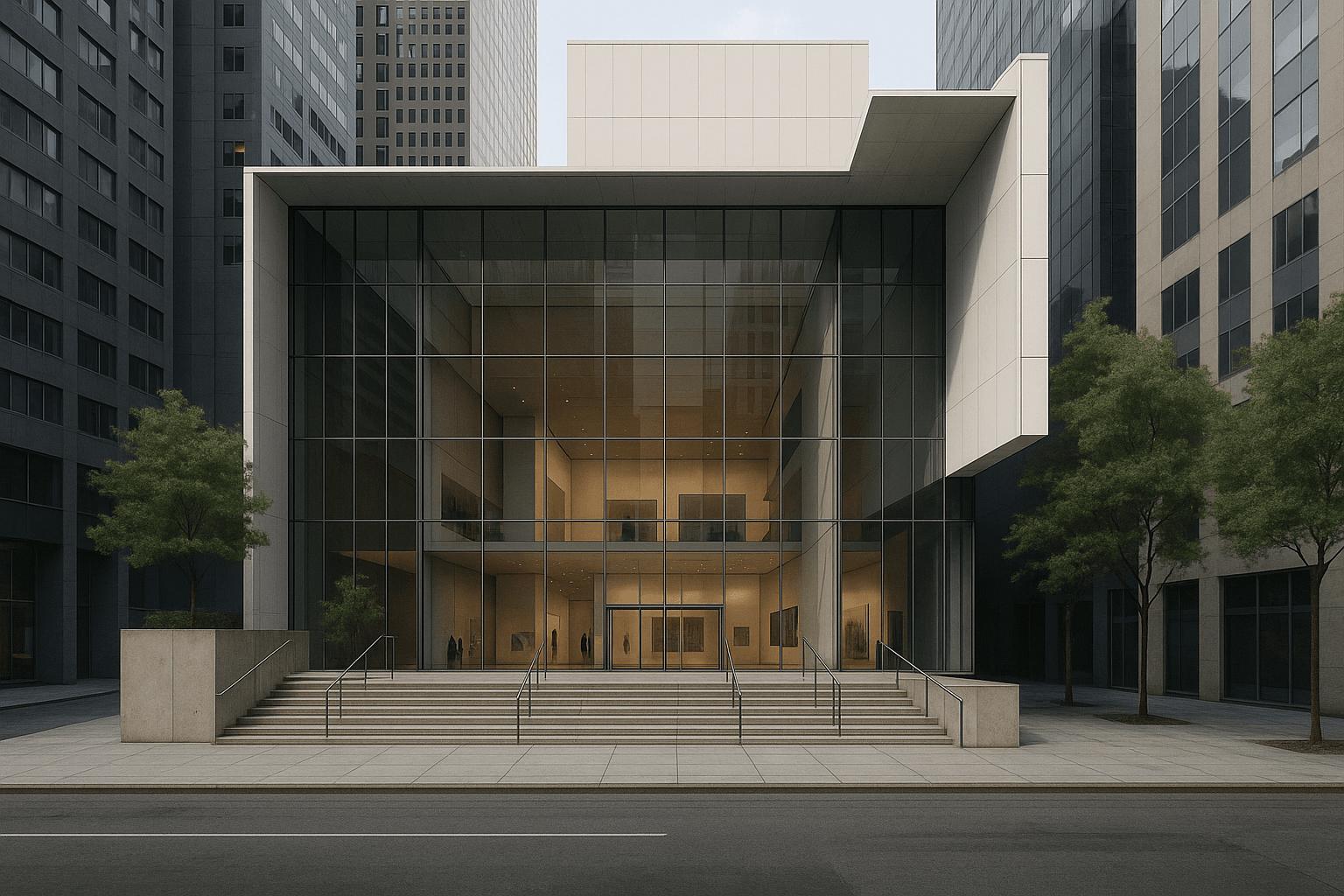
Look, NYC might be expensive and overwhelming, but there's nowhere else in the world with this many incredible museums packed into one city. We're talking over 100 museums, from the world-famous Met to tiny specialty galleries that most people have never heard of but are doing absolutely fascinating work. With prestigious institutions like The Metropolitan Museum of Art offering 10-week internship opportunities for undergraduate and graduate students, the competition is fierce but the rewards are extraordinary. Whether you're drawn to world-class art collections, cutting-edge science exhibitions, or intimate cultural institutions, NYC's museum landscape offers internship opportunities that can seriously launch your career.
Table of Contents
TL;DR
- NYC offers 100+ museums with diverse internship opportunities across curatorial, education, conservation, and digital media departments
- Application timelines are crucial - start 6-8 months early for summer programs, with most deadlines falling October-December
- Paid positions now range $15-25/hour at major institutions, though some smaller museums still offer unpaid opportunities
- Networking through museum events, informational interviews, and volunteer work significantly increases your chances
- Housing costs are the biggest challenge - budget for $800-1500/month and consider outer boroughs for affordability
- Document everything during your internship to build a portfolio that sets you apart in future applications
Understanding NYC's Museum Internship Ecosystem
Here's the thing about NYC's museum scene - it's not just the big names everyone knows. Sure, you've got the Met and MoMA, but there are also places like the Museum of the Moving Image in Queens, the Tenement Museum on the Lower East Side, and dozens of smaller institutions doing incredible work that you've probably never heard of.
This diversity is actually your friend. While everyone's fighting over those 20 spots at the Guggenheim, there might be amazing opportunities at the Museum of the City of New York or the New-York Historical Society that align perfectly with your interests and have way less competition.
The variety extends beyond just the institutions themselves - you'll find openings in curatorial work, educational programming, conservation labs, digital media, development, and museum operations. Each category offers distinct career pathways that align with different academic backgrounds. Your computer science degree paired with art history coursework? That's exactly what their digital initiatives team needs.
Decoding the Major Museum Categories
NYC's museums fall into distinct categories, each offering unique internship experiences that cater to different professional interests and academic backgrounds. Understanding these categories helps you target your applications more effectively and identify institutions that align with your career goals. Trust me, not all museum internships are created equal.
World-Class Art Museums: Where Prestige Meets Pressure
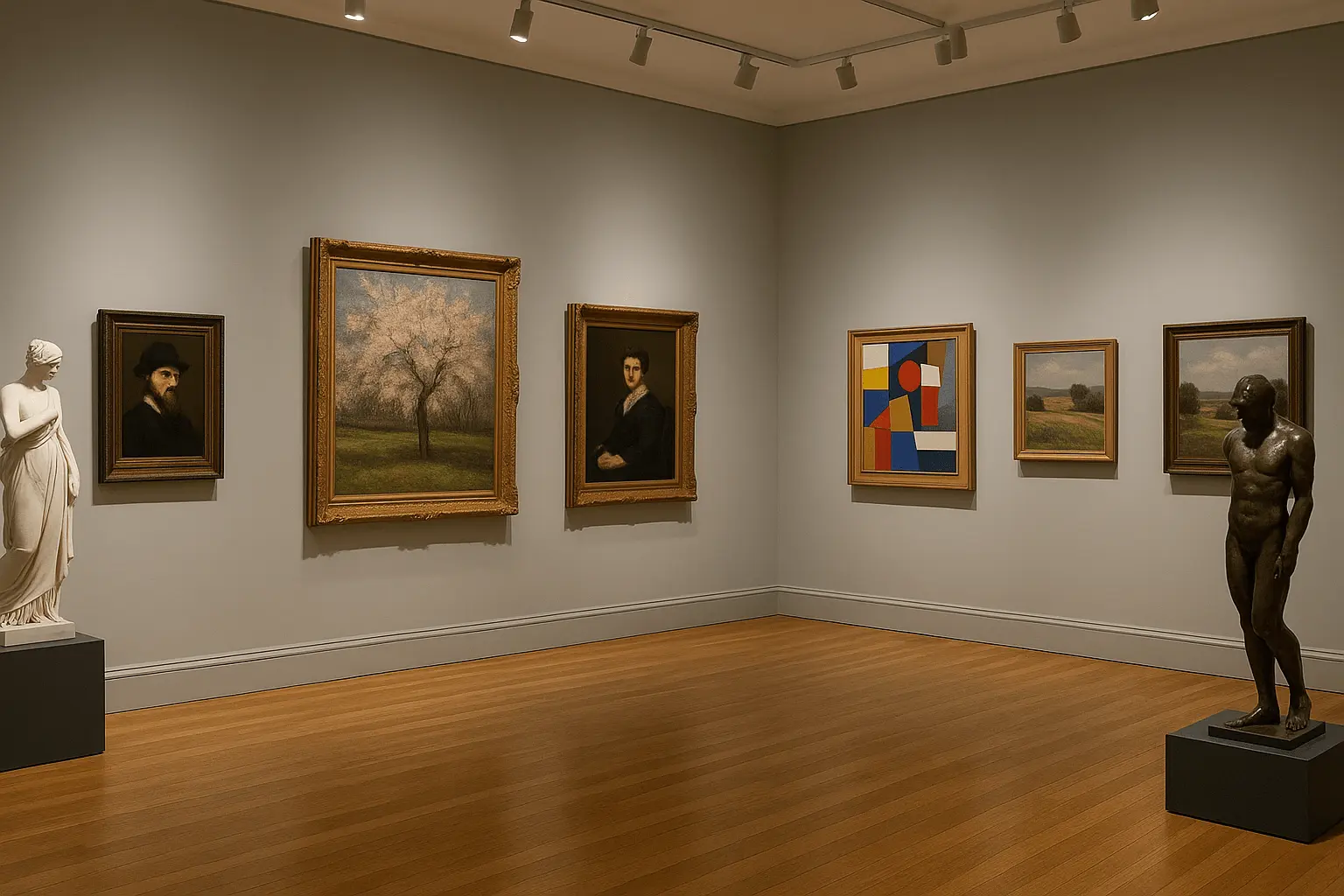
Let's be real about places like the Met, MoMA, Guggenheim, and Whitney - these are the internships that look incredible on your resume and provide unparalleled access to world-class collections and industry leaders. But the competition is absolutely brutal. We're talking hundreds of applications for a handful of spots.
Here's what most people don't realize: these museums actually value diverse perspectives and unconventional backgrounds more than you might think. Your sociology degree paired with social media experience? MoMA's education department might love that combination.
The work at these institutions is intense but incredible. You might find yourself researching provenance for acquisitions, assisting with exhibition installations, or developing educational content for blockbuster shows. The learning curve is steep, but the mentorship from curators and department heads is unmatched. Plus, you'll be working alongside other interns who are just as passionate and driven as you are.
|
Museum |
Program Length |
Compensation |
Application Deadline |
|---|---|---|---|
|
Metropolitan Museum |
10 weeks |
$1,500 housing stipend |
January 14, 2026 |
|
Whitney Museum |
9 weeks |
$6,500 stipend |
January 15, 2026 |
|
MoMA |
10-12 weeks |
$20/hour |
December 1 |
|
Guggenheim |
8-10 weeks |
$18/hour |
November 15 |
Cultural and History Museums: Where Stories Come Alive
Places like the Museum of the City of New York, New-York Historical Society, and Tenement Museum offer something different - more intimate learning environments and direct involvement in community programming. These institutions excel at connecting past and present through innovative programming and community engagement.
Your internship might involve conducting oral history interviews, digitizing archival materials, or developing walking tours that bring neighborhood history to life. What makes these positions special is the direct community impact. You're not just preserving artifacts - you're helping communities understand their own stories.
I know someone who interned at the Tenement Museum and spent her summer researching immigrant families who lived in the building. Her work directly informed the tours that thousands of visitors take every year. That's the kind of meaningful impact you can have at these institutions.
Science and Specialty Museums: Where Innovation Meets Education
The American Museum of Natural History, Intrepid Museum, and Brooklyn Children's Museum offer STEM-focused internships that combine research, exhibition design, and public science communication. These positions are perfect if you're interested in making science accessible to diverse audiences.
The Natural History Museum alone offers internships across dozens of research departments, from paleontology to astrophysics. You could spend your summer cataloging newly discovered species or helping develop planetarium shows that reach millions of visitors.
Children's museums present unique challenges and rewards. Your creativity gets pushed to its limits as you develop hands-on activities that make complex concepts accessible to young minds. Fair warning: you'll probably go home exhausted, but you'll also have some of the most rewarding moments of your career watching kids have those "aha!" moments.
Internship Program Structures That Fit Your Life
NYC museums offer various internship formats designed to accommodate different schedules, career stages, and learning objectives. Understanding these structures helps you choose programs that align with your academic calendar, financial needs, and professional development goals. Not every program works for every person, so be honest about what you can handle.
Summer Intensive Programs: Total Immersion Experience
Full-time 8-12 week programs typically running June through August offer deep immersion in museum operations with structured mentorship and professional development components. These are the programs that give you the most comprehensive experience, but they require significant time commitment and often relocation to NYC for the duration.
Summer intensives are where you'll get the full museum experience. You're working 35-40 hours per week, attending weekly professional development sessions, and often participating in special projects that span multiple departments. It's intense, but you'll leave with a comprehensive understanding of museum operations.
Most summer programs also include cohort activities - you'll be working alongside 10-20 other interns, creating a built-in network of peers who are just as passionate about museum work as you are. Some of my best professional relationships started during summer internship programs.
For students pursuing summer museum internships, securing appropriate housing becomes crucial. Many interns find that The Central Park Manhattan House offers convenient access to Museum Mile institutions while providing a supportive community environment.
Sarah, a junior art history major from Ohio, secured a summer internship at the Whitney Museum through their Hearst Foundation program. Working 35 hours per week for nine weeks, she assisted with exhibition research while participating in weekly speaker series featuring curators and museum professionals. The $6,500 stipend helped cover her NYC living expenses, and the experience led directly to a full-time job offer at a contemporary art gallery in Chelsea after graduation.
Academic Year Positions: Balancing School and Experience
Part-time internships during fall and spring semesters work particularly well if you're already in the NYC area for school. You can commit to 10-15 hours per week, usually with flexible scheduling that accommodates your class schedule.
These positions often focus on ongoing projects rather than time-sensitive exhibition work. You might spend a semester digitizing archival materials, developing educational resources, or assisting with long-term research initiatives. The advantage here is continuity - you get to see projects through from conception to completion, and you build deeper relationships with staff members.
Students balancing academic coursework with museum internships often benefit from stable housing arrangements. Properties like The Hamilton House in Upper Manhattan provide easy subway access to major museums while maintaining proximity to educational institutions.
Graduate Fellowship Programs: Your Gateway to Museum Leadership
Advanced positions for graduate students and recent graduates offer stipends, independent project opportunities, and pathways to full-time museum careers. These fellowships represent the bridge between student and professional, typically offering stipends ranging from $20,000-40,000 annually plus benefits.
Fellows often work on independent research projects that contribute to the museum's scholarly mission. You might curate a small exhibition, conduct original research for a catalog, or develop new educational programming based on your academic expertise. The networking opportunities at this level are exceptional - you're attending staff meetings, participating in strategic planning sessions, and often representing the museum at professional conferences.
Understanding the Compensation Reality
Let's talk about money, because this is where a lot of dreams meet reality. The good news? Most major NYC museums have shifted to paid internships over the past five years. The Met pays $17/hour, MoMA offers $20/hour, and the Guggenheim provides $18/hour for their summer programs.
Smaller institutions and specialty museums might still offer unpaid positions, but they often provide other valuable benefits: academic credit, professional development workshops, and sometimes housing stipends or MetroCard reimbursements.
Here's an insider tip: even unpaid internships at prestigious institutions can be worth it if you can afford it. The networking opportunities and resume credentials often lead to paid positions later. But be honest about your financial situation - there's no shame in prioritizing paid opportunities if you need the income.
Recent data shows that "teens are paid $16.50 per hour" at institutions like the Brooklyn Museum and The Bronx Museum, reflecting the growing trend toward fair compensation for intern contributions.
Strategic Application Mastery for Competitive Positions
Okay, here's where we get real about the application process. Successfully securing a museum internship in NYC isn't just about having good grades and a passion for art. It's about understanding the game and playing it strategically. The competition is fierce, but most applicants make the same basic mistakes that you can easily avoid.
Mastering Application Timelines and Planning
Here's something that will shock you: most people apply to museum internships way too late. These aren't retail jobs where you can walk in and start next week. Museum internship applications follow specific seasonal cycles, and missing deadlines eliminates your chances regardless of how qualified you are.
Early Preparation Phase: Building Your Foundation (6-8 months ahead)
Start following your target museums on social media and subscribing to their newsletters right now. You'll begin to understand their voice, current priorities, and upcoming initiatives. The Met's recent focus on decolonizing their collections, for instance, creates opportunities for interns interested in provenance research and community engagement.
Attend virtual lectures, exhibition openings, and panel discussions. Most museums livestream these events, making them accessible regardless of your location. Take notes on speakers, current projects, and institutional challenges - this information becomes invaluable when crafting your application materials.
Begin building relevant skills during this phase. If you're interested in curatorial work, start a blog analyzing exhibitions you visit. For education roles, volunteer with local cultural organizations or develop lesson plans for community groups. Document everything - you'll need concrete examples for your applications.
Museum Application Preparation Checklist:
- Follow target museums on social media platforms
- Subscribe to museum newsletters and blogs
- Attend 3-5 virtual events or lectures
- Research current exhibitions and institutional priorities
- Begin building relevant portfolio materials
- Identify potential recommenders
- Start drafting personal statement drafts
- Create application tracking spreadsheet
Application Season Strategy: Timing Your Submissions (3-4 months ahead)
Most summer internship deadlines cluster between November 1st and January 15th. Create a spreadsheet tracking each museum's specific deadline, required materials, and application portal information. Some institutions use their own systems while others go through university career centers.
Submit your applications early in the window when possible. Admissions committees often review applications as they arrive, and early submissions demonstrate enthusiasm and organization. Plus, you'll avoid the technical difficulties that plague application portals during last-minute submission rushes.
Here's a crucial detail most applicants miss: many museums have rolling admissions for certain positions. The Brooklyn Museum, for example, often fills education internships on a first-come, first-served basis among qualified candidates.
|
Application Timeline |
Action Items |
Deadline Examples |
|---|---|---|
|
6-8 months ahead |
Research institutions, attend events |
Ongoing |
|
4-5 months ahead |
Draft application materials, contact recommenders |
September-October |
|
3-4 months ahead |
Submit applications, schedule interviews |
November-January |
|
2-3 months ahead |
Follow up, prepare for interviews |
February-March |
|
1-2 months ahead |
Final preparations, housing arrangements |
April-May |
Crafting Application Materials That Stand Out
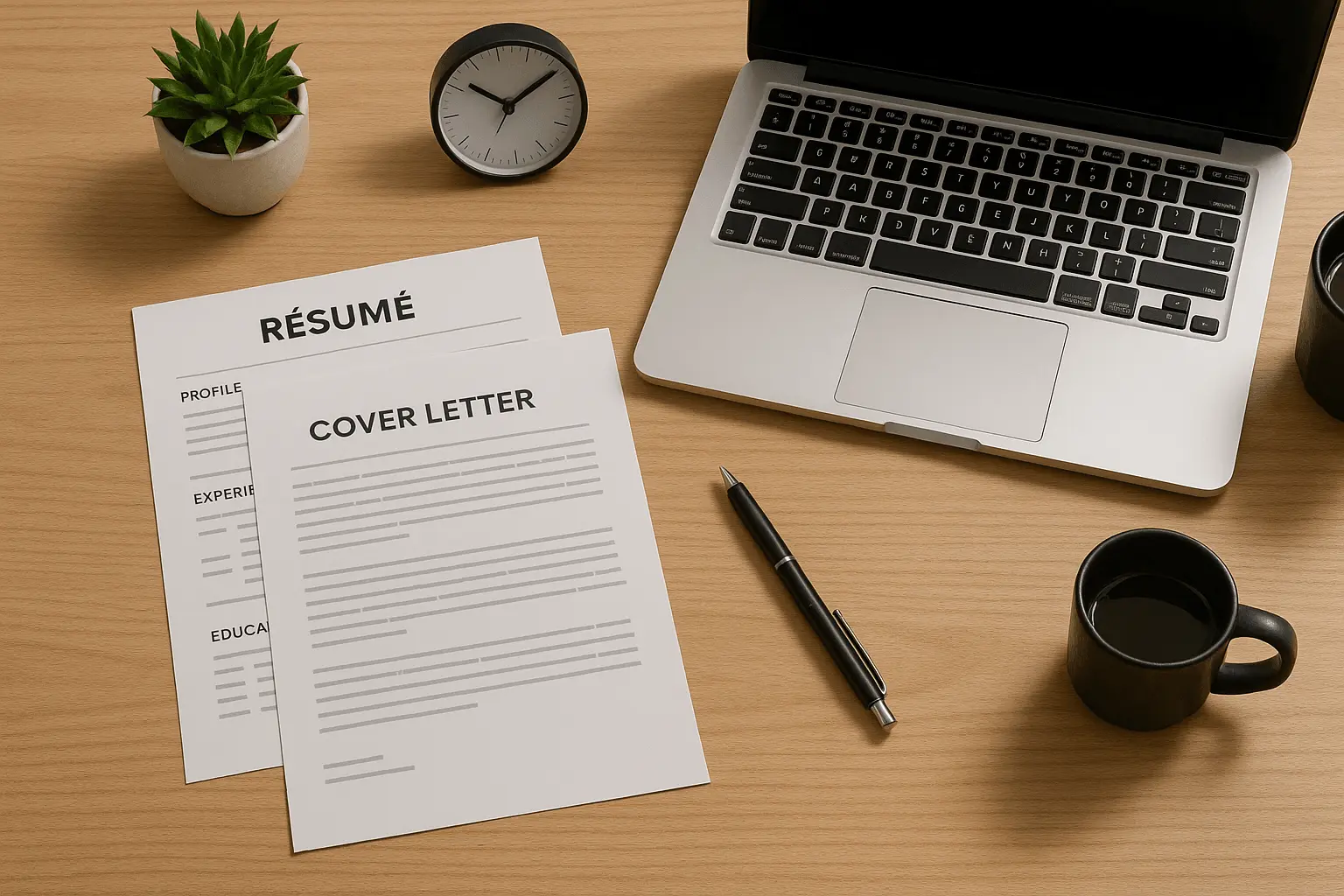
Your application materials need to do more than just list your qualifications - they need to tell a story about why you're passionate about museum work and how your unique background contributes to their mission. Generic applications are easily spotted and quickly rejected.
The Museum-Focused Resume: Highlighting Relevant Experience
Here's the thing: you probably have more relevant experience than you think. Your retail job taught you customer service skills that translate directly to visitor services. Your research assistant position developed your attention to detail and database management abilities. Your study abroad experience demonstrates cultural competency and language skills that many museums desperately need.
Include a "Relevant Coursework" section if you're still in school. Museums want to see art history, anthropology, education, or business classes that connect to their work. Don't forget about seemingly unrelated courses - that statistics class could be valuable for visitor services analysis.
Language skills are incredibly valuable in NYC's diverse museum landscape. The Met actively seeks interns who speak Spanish, Mandarin, or Arabic to support their multilingual programming initiatives.
Technical skills deserve prominent placement. Experience with Adobe Creative Suite, database management, social media platforms, or content management systems can set you apart from other humanities-focused applicants.
Marcus, a sociology major with no formal art background, successfully landed an internship at MoMA's Education Department by highlighting his experience tutoring ESL students, his fluency in Spanish, and his social media management work for his campus diversity center. His resume emphasized transferable skills like cross-cultural communication and digital engagement rather than traditional art history credentials.
Institution-Specific Cover Letters: Showing You've Done Your Homework
This is where most people mess up. They write one generic cover letter and send it to every museum. Don't do this. Each museum has its own personality, current initiatives, and specific needs.
Your cover letter should reference specific exhibitions, recent acquisitions, or institutional initiatives that genuinely interest you. If you're applying to the Whitney, mention their recent focus on emerging artists or their community engagement programs in the Meatpacking District.
Connect your interests to their current work authentically. If the Museum of the City of New York just announced a new exhibition on immigration, explain how your family history or academic research relates to those themes. But be genuine - admissions committees can spot manufactured connections immediately.
Address the letter to a specific person whenever possible. LinkedIn and museum websites often list department heads and internship coordinators. A personalized greeting shows you've invested time in understanding their organizational structure.
Portfolio Development: Showcasing Your Potential
For curatorial, education, or digital media positions, you'll need writing samples, project documentation, or creative work that showcases relevant skills. Your portfolio should demonstrate both technical competency and creative thinking that aligns with museum work.
Writing samples should demonstrate your ability to communicate complex ideas to diverse audiences. Academic papers work, but consider adapting them for general audiences or writing exhibition reviews that show your analytical skills.
For education positions, include lesson plans, workshop outlines, or documentation of teaching experiences. Museums value candidates who can translate scholarly knowledge into engaging public programming.
Digital media portfolios should showcase both technical skills and cultural sensitivity. Include social media campaigns, website designs, or multimedia projects that demonstrate your understanding of how museums engage online audiences.
Networking Your Way Into the Museum World
Let's be honest - the museum world runs on who you know. I hate that this is true, but pretending otherwise won't help you land that dream internship. The good news? Museum people are generally pretty nice and actually want to help newcomers who show genuine passion.
Building Authentic Professional Relationships
Here's the thing about museum networking - it's not about schmoozing at fancy galas (though those can be fun). It's about finding your people in this weird, wonderful world of cultural obsessives. The most successful museum professionals understand that networking is about mutual support and shared interests rather than transactional exchanges.
Industry Events and Programming: Your Gateway to the Community
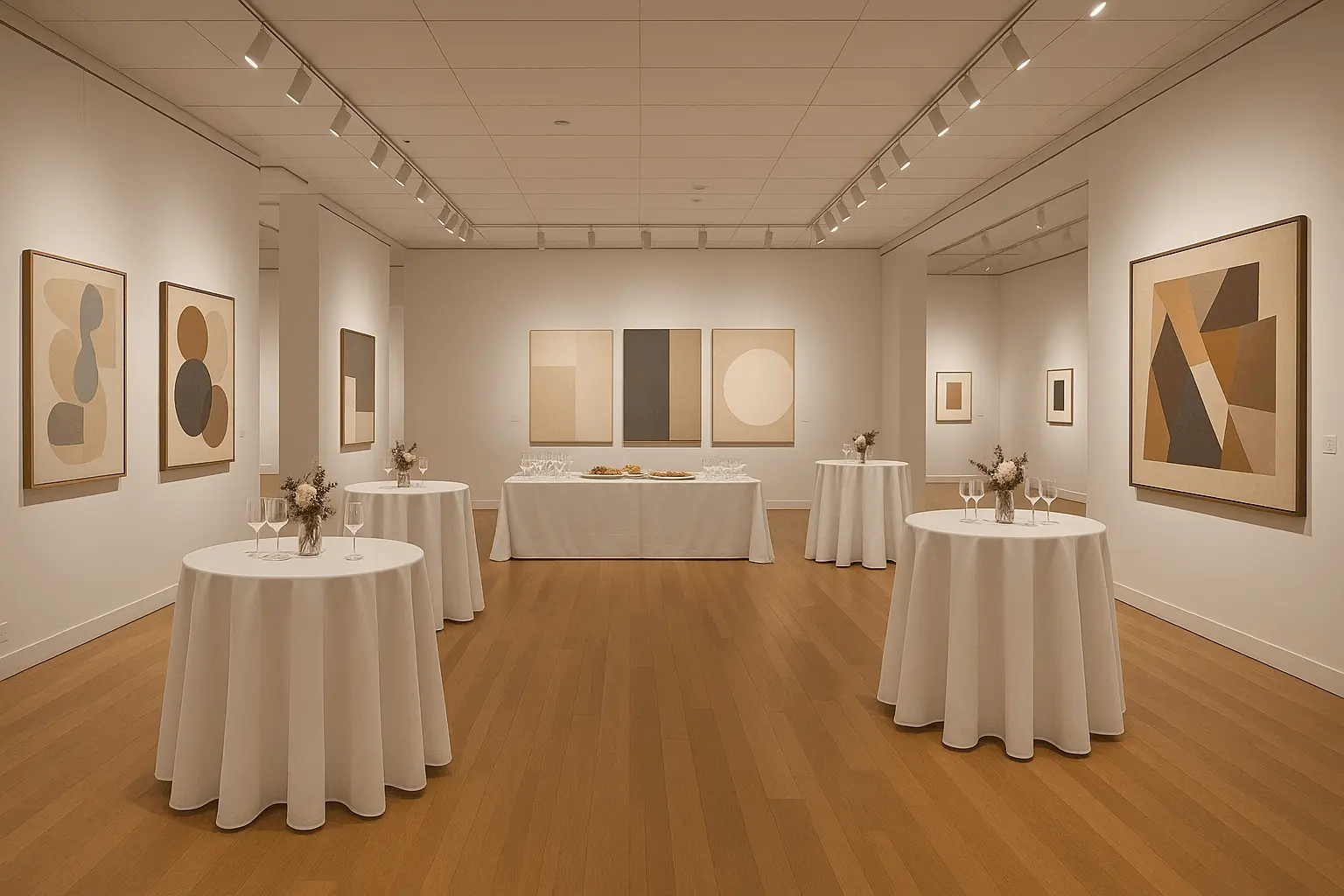
Gallery openings are like your new happy hour. Free wine, free cheese, and a room full of people who chose to spend their Thursday evening looking at art? These are your people. Show up early when it's less crowded and staff actually have time to chat. Read about the exhibition beforehand so you can ask real questions, not just "So... nice paintings, huh?"
I know someone who landed their Met internship because they struck up a conversation about Byzantine art at a tiny gallery in Chelsea. The person they were talking to? A Met curator who was there supporting a former student. You never know.
The Museum Education Roundtable hosts monthly meetings that bring together educators from across the city. These intimate gatherings often feature presentations on current projects and challenges, creating natural conversation starters with potential mentors.
Professional development workshops offer dual benefits: you're building skills while meeting like-minded professionals. The AAM's New York chapter regularly hosts sessions on topics like grant writing, digital engagement, and career development.
Don't overlook smaller, specialized events. The New York Art Book Fair, for instance, attracts museum professionals interested in publishing and digital initiatives. These niche gatherings often provide more meaningful connections than large, general events.
A recent success story highlights the power of networking: "Blake Witmer, a public relations major, interns for The Museum of Public Relations in New York City" and credits networking events for connecting her "with incredible leaders like Grace Leong, CEO of Hunter PR, and trailblazers like Diana Kalman" who helped shape her understanding of the field.
Informational Interviews: Coffee Dates That Actually Matter
Informational interviews sound scary and formal, but think of them as coffee dates with people who love talking about their work. Most museum professionals remember being in your shoes and are surprisingly generous with their time.
Your LinkedIn message should be short and specific: "Hi [Name], I'm fascinated by your work on digital engagement at [Museum]. Would you have 20 minutes to share your thoughts on where the field is heading? I'm happy to meet wherever is convenient for you."
Then actually listen. Don't just wait for your turn to ask about job openings. Ask about their biggest challenges, what they wish they'd known starting out, what keeps them excited about the work.
Keep these conversations focused and time-limited - 20-30 minutes maximum. Prepare thoughtful questions about their career journey, current challenges in the field, and advice for someone starting out. Follow up with a thank-you note that references specific advice they shared.
Volunteer Opportunities: Proving Your Commitment
Volunteering is like paying your dues, except you're not getting paid. But here's what you are getting: face time with staff, hands-on experience, and proof that you're serious about this career path.
Small museums are goldmines for volunteers. The Museum at Eldridge Street might have you leading tours after just a few training sessions. The Tenement Museum needs people for their weekend programs. These places remember volunteers who show up consistently and do good work.
Gallery sitting at contemporary art spaces might seem mundane, but you're building relationships with gallery staff who often move between commercial and nonprofit sectors. These connections can provide insights into different aspects of the art world.
Special events offer concentrated networking opportunities. Volunteering at museum galas, fundraisers, or community festivals puts you in contact with board members, donors, and senior staff in relaxed settings where conversations flow more naturally.
Jessica volunteered at the Museum of the Moving Image's weekend family programs for six months before applying for internships. Her supervisor was so impressed with her dedication and creativity in developing hands-on activities for children that she personally recommended Jessica for a paid summer position at the Children's Museum of Manhattan, which led to a full-time role in museum education after graduation.
Professional Development During Internships
Once you're in the door, the real work begins. Your internship is not just about completing projects - it's about understanding how museums function as complex organizations and positioning yourself for future opportunities in the field.
Cross-Departmental Exposure: Understanding the Big Picture
Most supervisors appreciate interns who show curiosity about the broader organization. Ask to attend development meetings to understand fundraising strategies, or shadow the registrar to learn about collections management. These experiences provide context for your specific role and demonstrate initiative.
Installation days offer unique learning opportunities. Whether you're helping hang paintings or setting up interactive displays, you'll work alongside preparators, conservators, and curators in ways that reveal the collaborative nature of museum work.
Board meetings and strategic planning sessions might seem above your level, but many museums welcome intern observers. These meetings provide insights into institutional priorities and decision-making processes that aren't visible in day-to-day operations.
Skill Building Initiatives: Developing Marketable Competencies
Database management skills are increasingly valuable as museums digitize their collections. Volunteer to help with data entry or cleanup projects using systems like TMS or PastPerfect. These technical skills are highly transferable and often determine who gets hired for entry-level positions.
Social media management combines creativity with analytics - skills that museums desperately need. Offer to help develop content calendars, analyze engagement metrics, or create Instagram stories that bring behind-the-scenes work to public attention.
Grant writing experience sets you apart from other candidates. Many museums have small grants that interns can help research and write. Even if your application isn't successful, the experience of understanding funder priorities and articulating institutional needs is invaluable.
Surviving and Thriving: NYC Living Essentials for Interns
Let's talk about the elephant in the room - money. NYC is expensive, internships often pay poorly (or not at all), and you still need to eat and sleep somewhere. Successfully completing a museum internship requires careful planning around housing, transportation, and living expenses that can make or break your experience.

Housing Solutions That Won't Break the Bank
Finding appropriate, affordable housing is often the biggest challenge for museum interns in NYC. Forget what you see in movies about cute Manhattan apartments. You're looking at $800-1500/month for a decent shared situation, and that's if you're lucky.
Student Housing Options: Structured Solutions for Temporary Stays
Several organizations specialize in short-term housing for students and interns. Educational Housing Services (EHS) offers furnished apartments specifically for summer interns, with locations in Manhattan and Brooklyn. The application process is straightforward, and you'll be living with other interns and students facing similar challenges.
Some museums maintain relationships with local universities that offer summer housing to non-students. NYU and Columbia sometimes have available residence hall space during summer months when their regular students are away.
For museum interns seeking reliable housing solutions, The Lexington House provides convenient access to Upper East Side cultural institutions while offering fully furnished accommodations designed specifically for students and interns.
Furnished sublets through university housing boards or intern-specific Facebook groups can provide more affordable options. Many graduate students travel for research during summer months and seek responsible subletters for their apartments.
Budget-Friendly Neighborhoods: Maximizing Value Without Sacrificing Access
Queens is your friend. Astoria has great Greek food, reasonable rent, and the N/W trains get you to Manhattan in 30 minutes. Yes, you'll have to explain to people where you live, but your bank account will thank you.
Washington Heights in upper Manhattan provides affordable options with express subway service downtown. The A train gets you to the Museum Mile in about 30 minutes, and the neighborhood offers authentic Dominican culture and excellent food at budget-friendly prices.
Students considering upper Manhattan locations will find that The Apollo House offers an ideal balance of affordability and accessibility to both cultural institutions and transportation networks throughout the city.
Bushwick and Ridgewood in Brooklyn attract young professionals and artists, creating communities where museum interns fit naturally. The L and M trains connect to Manhattan, though commute times can be longer during rush hours.
Consider proximity to multiple subway lines when choosing neighborhoods. Areas served by express trains significantly reduce commute times, and backup routes become crucial when service disruptions occur (which they will).
Transportation and Daily Logistics
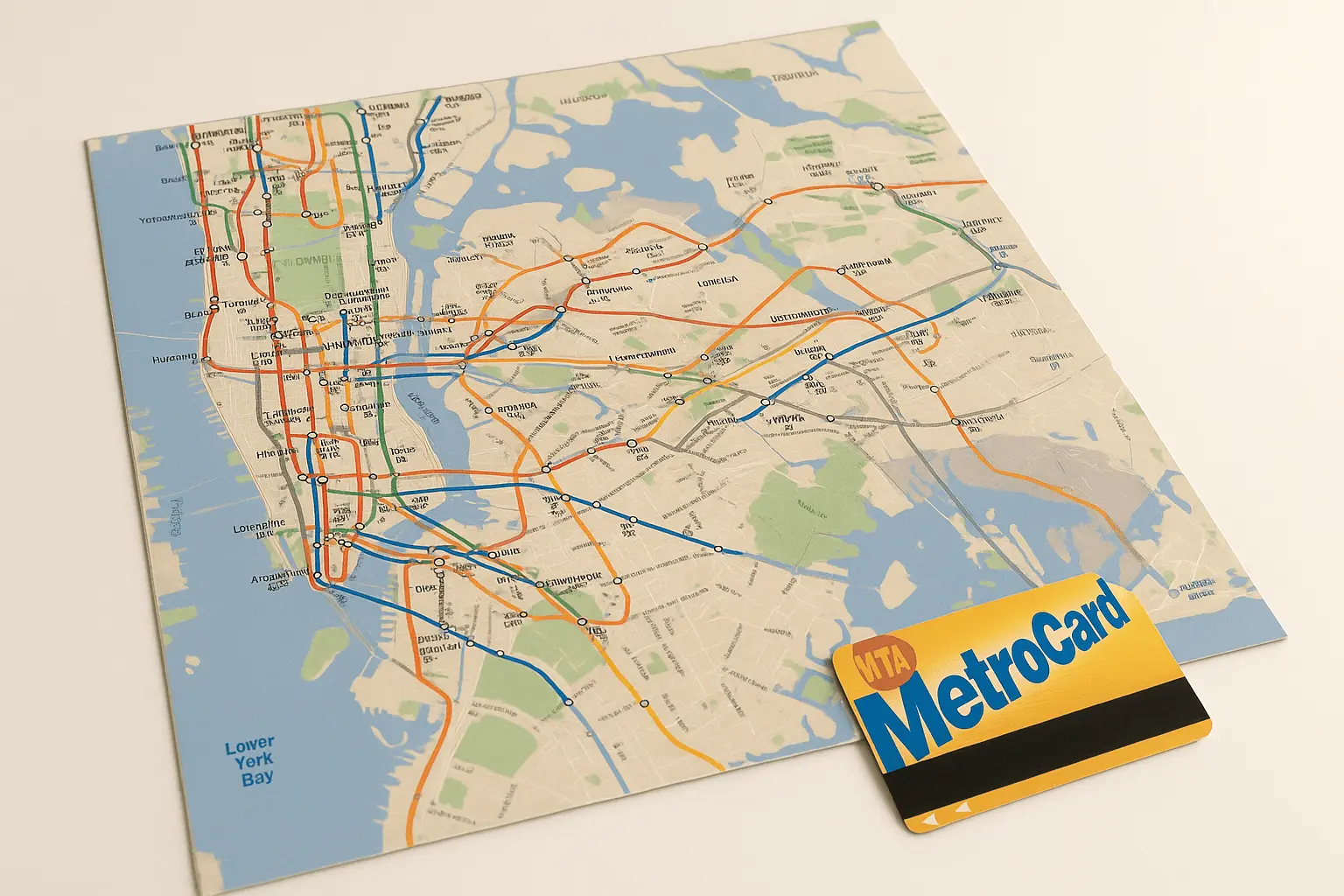
Your new best friend is the MetroCard. The unlimited monthly MetroCard costs $127 and pays for itself if you take more than 46 trips per month. Since you'll be commuting daily plus hitting up gallery openings and museum events, this is a no-brainer.
MetroCard Strategy: Budgeting for City Movement
Download Citymapper now. It'll save your life when the 6 train decides to take an unscheduled vacation and you need to figure out three different ways to get to work on time. These apps provide real-time service updates and suggest alternative routes during disruptions, which happen more frequently than you might expect.
Learn your backup routes before you need them. If the 4/5/6 trains are delayed, know that you can take the N/R/W to 59th Street and walk to the Museum Mile. Having alternatives prevents panic when service disruptions threaten to make you late.
Museum District Navigation: Making the Most of Cultural Clusters
Many museums are clustered in areas like the Upper East Side Museum Mile, making it possible to visit multiple institutions and attend networking events efficiently. The Museum Mile stretches from 82nd to 110th Streets along Fifth Avenue, housing the Met, Guggenheim, Cooper Hewitt, Jewish Museum, and Museum of the City of New York.
The Chelsea gallery district offers a different but equally valuable cultural experience. Many contemporary galleries cluster between 20th and 27th Streets, and gallery hopping on Saturday afternoons provides exposure to emerging artists and commercial art world professionals.
Brooklyn's cultural institutions are more spread out but offer unique perspectives. The Brooklyn Museum, Brooklyn Botanic Garden, and Prospect Park create a cultural corridor accessible via the 2/3 trains, while DUMBO houses smaller contemporary spaces with stunning Manhattan views.
Food: Mastering the Art of Cheap Eating
Museum cafeterias are usually overpriced, but some offer staff discounts that extend to interns. Ask about this on your first day - it could save you serious money over the course of your internship.
Food trucks are your friend - $6-8 for lunch that's actually filling. Bodega sandwiches are cheap but get old fast. Learn to love the $1 pizza slice, but maybe don't make it a daily habit if you want to maintain any semblance of nutrition.
Grocery shopping in Manhattan is painful, but places like Trader Joe's and Target make it slightly less awful. Stock up on basics and learn to meal prep if you want to maintain any semblance of a budget. Your future self will thank you when you're not spending $15 on mediocre salads every day.
Turning Your Internship Into Career Gold
Once you've secured your museum internship, the real work begins. Your internship is not just about completing assigned tasks - it's about demonstrating your potential as a future museum professional while building the skills, relationships, and portfolio that will differentiate you in future job applications.
Daily Excellence Strategies That Set You Apart
Museum internships require a professional approach that demonstrates your potential while maximizing learning opportunities at every turn. Excellence in the small details often determines who gets remembered positively and who receives strong recommendations for future positions.
Professional Presence an d Etiquette: Representing the Institution
Museum dress codes tend toward the conservative side, especially in public-facing roles. Business casual is typically the minimum, with many institutions expecting business formal for special events or donor interactions. When in doubt, err on the side of being slightly overdressed rather than too casual.
Show up early, stay late when needed, and volunteer for the weird projects nobody else wants. That unglamorous database cleanup project? It's teaching you collections management software that every museum uses. Arrive 10-15 minutes early consistently - this demonstrates reliability that supervisors notice and appreciate.
Remember that museum visitors often can't distinguish between staff and interns. Your interactions with the public reflect on the institution's reputation and commitment to visitor service. Approach every visitor interaction with patience and enthusiasm, even when answering the same question for the twentieth time.

Documentation and Reflection: Building Your Professional Narrative
Keep a detailed journal of projects, contacts made, and skills learned - this becomes invaluable for future job applications. Document everything (with permission). Photos of exhibitions you helped install, copies of educational materials you developed, research you contributed to - this becomes your portfolio for future applications.
Keep a daily log of what you learned, who you met, and what challenges you tackled. This becomes invaluable when you're writing cover letters six months later and trying to remember specific examples of your museum experience.
Track the professional contacts you make, including their roles, areas of expertise, and any advice they've shared. This network becomes invaluable as you advance in your career, and detailed records help you maintain these relationships effectively.
Initiative and Proactivity: Going Beyond Expectations
Ask smart questions. Instead of "What should I do next?" try "I noticed we're getting a lot of visitor questions about X. Would it be helpful if I created a quick reference sheet for the front desk staff?"
Volunteer for additional projects, suggest improvements to processes you observe, and ask thoughtful questions that demonstrate your engagement with museum operations beyond your assigned tasks. Initiative distinguishes good interns from exceptional ones and often determines who receives job offers or strong recommendations.
Identify inefficiencies or opportunities for improvement in your daily work and propose solutions. Maybe the visitor feedback system could be streamlined, or social media content could better highlight behind-the-scenes work. Your fresh perspective as an outsider can provide valuable insights.
Building Your Museum Career Portfolio
Use your internship to create tangible evidence of your contributions and capabilities that will differentiate you in future applications. Your portfolio should demonstrate both the breadth of your museum experience and the depth of your contributions to specific projects.
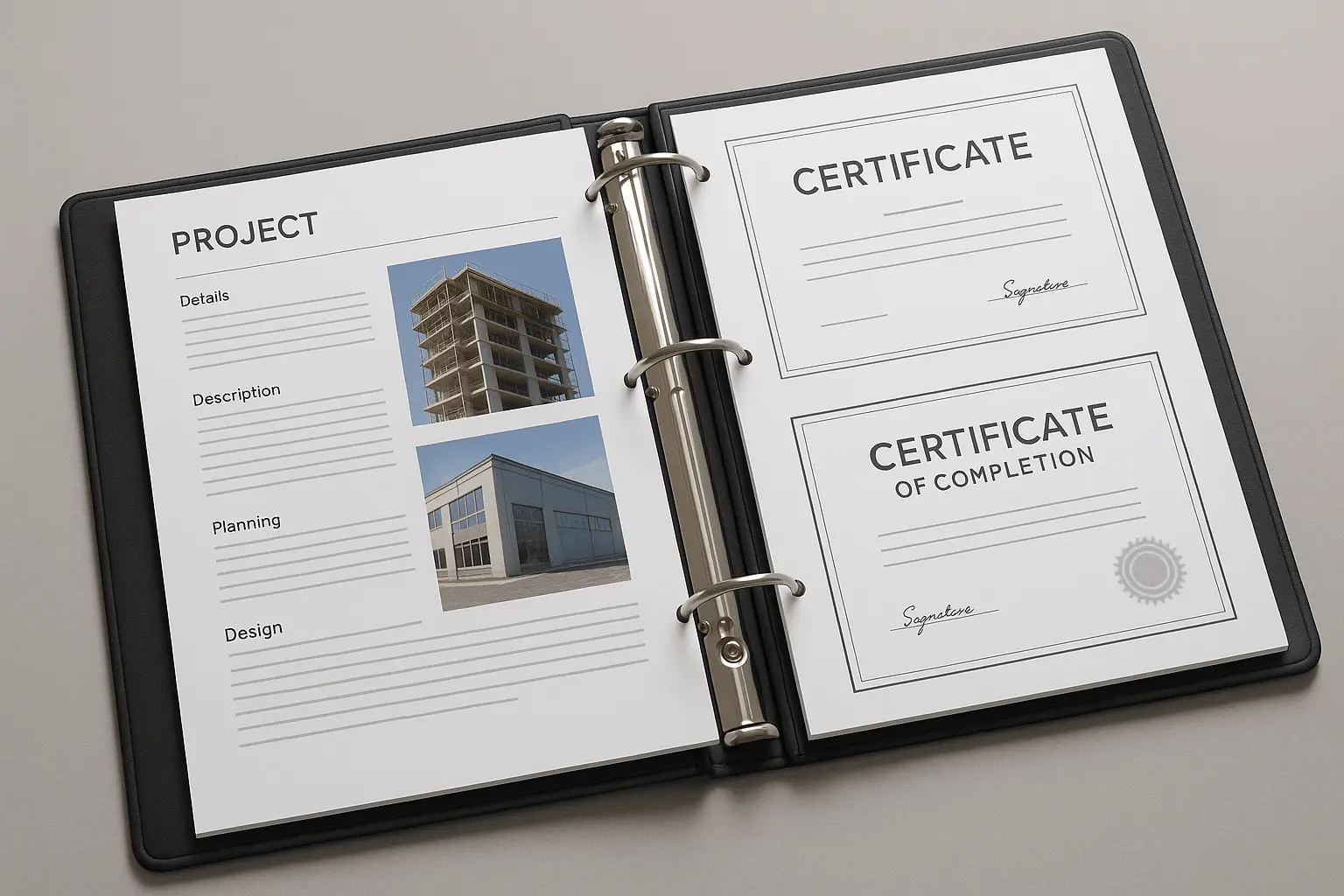
Project Documentation: Creating Tangible Evidence of Impact
Create before-and-after photos of exhibition installations you've assisted with, showing your role in transforming gallery spaces. These images demonstrate your understanding of spatial design and attention to detail that curators value.
Save copies of any written materials you've contributed to, from wall text and brochures to research reports and grant applications. Even small contributions to larger projects show your ability to write for different audiences and purposes.
Document educational programs you've helped develop or deliver. Photos of workshops in action, participant feedback, and program evaluation data demonstrate your impact on visitor experience and learning outcomes.
Skills Certification: Building Marketable Competencies
Collections management software certification (TMS, PastPerfect, or Mimsy) significantly increases your value to potential employers. Many museums use these systems, and certified users can contribute immediately without extensive training.
Emergency response training for cultural institutions covers everything from fire safety to disaster recovery procedures. This certification demonstrates your understanding of the serious responsibilities involved in protecting cultural heritage.
Digital asset management and metadata standards training becomes increasingly valuable as museums expand their online presence. Understanding Dublin Core, MODS, or other metadata schemas shows your ability to contribute to digitization projects.
Reference Cultivation: Building Your Professional Support Network
Stay in touch with your supervisors and colleagues after your internship ends. Not in an annoying way - just periodic updates about your career progress or congratulations on their achievements. These touchpoints keep you visible and demonstrate your continued engagement with the field.
Work with supervisors in different departments when possible to build a diverse reference network. A curator can speak to your research abilities, while an education coordinator can address your public programming skills.
Offer to help your former supervisors with projects even after your internship ends. Volunteering for special events or providing research assistance maintains your relationships while building additional experience.
Students pursuing museum careers should also be aware of the broader landscape. According to Marymount Manhattan College's Art Department, "students majoring in Art and Art History gain invaluable experience by working as interns in the museums, galleries, auction houses, graphic design and photography studios" throughout metropolitan New York, highlighting the diverse career pathways available beyond traditional museum roles.
How Student Housing NYC Supports Your Museum Journey
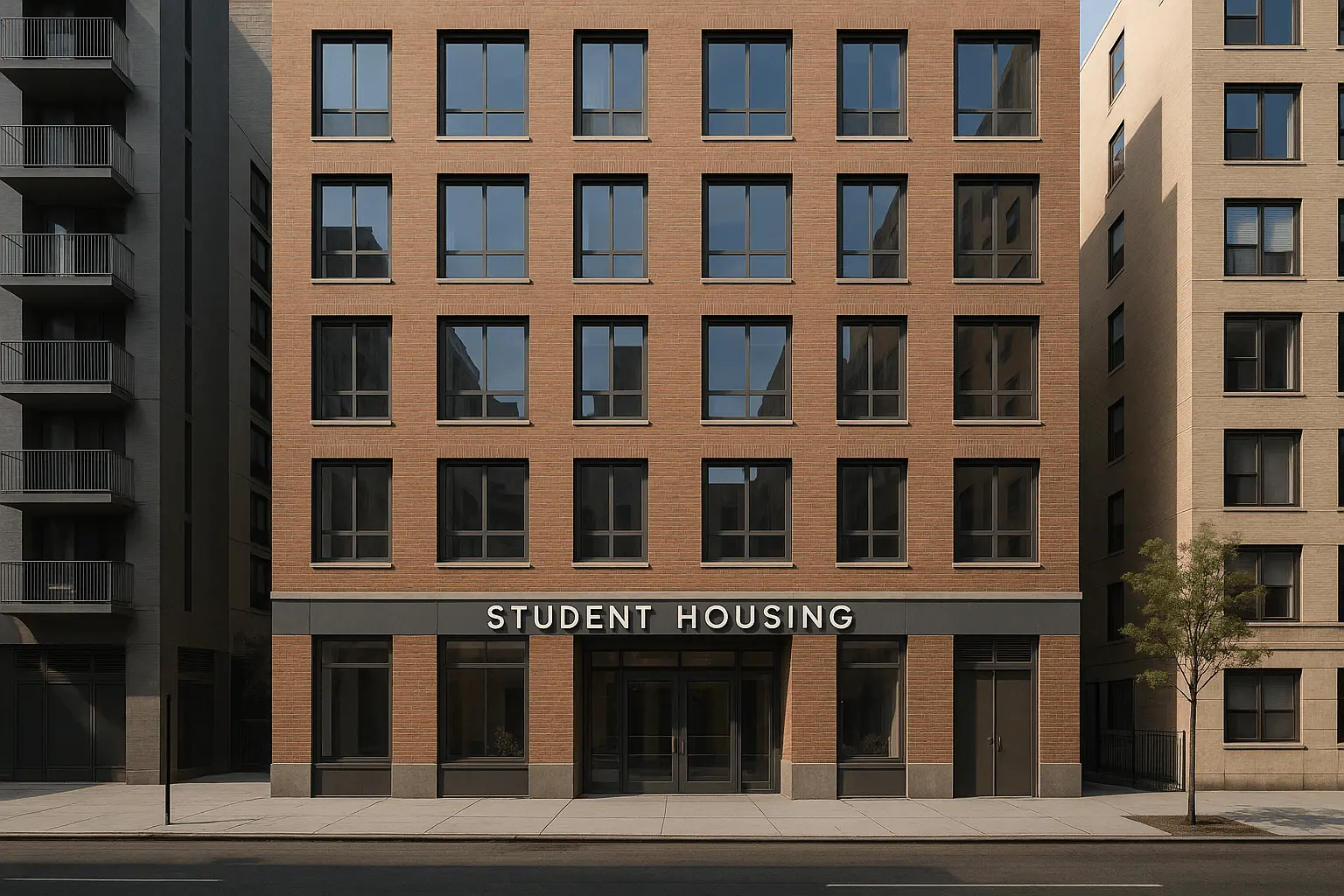
Here's the reality: finding housing as an intern is a nightmare. You need flexible dates, reasonable prices, and you don't want to end up in some sketchy situation with strangers you met on Craigslist. Pursuing a museum internship in New York City represents an incredible opportunity for professional development, but the challenge of finding suitable, affordable housing can become a significant barrier to success.
Student Housing NYC gets this. They offer furnished places with flexible lease terms that actually match internship timelines. No fighting with landlords about 3-month leases or scrambling to find furniture for a temporary stay. Their services address the major challenges that museum interns face, from flexible lease terms that accommodate various internship timelines to fully furnished apartments that eliminate the stress of temporary living arrangements.
With flexible housing dates that accommodate various internship timelines - whether you're doing a 10-week summer intensive or a semester-long academic year position - you won't be locked into rigid lease terms that don't match your program schedule. The fully furnished apartments eliminate the stress and expense of setting up temporary living spaces, allowing you to arrive in the city and immediately focus on your internship rather than furniture shopping and utility setup.
Strategic locations like The Heritage House near major museum districts and subway lines mean you can reach institutions like the Met, MoMA, or the Brooklyn Museum efficiently, while The Lenox House provides convenient access to Harlem's rich cultural landscape and easy transportation to Manhattan museums.
The online payment system and streamlined registration process make securing housing straightforward, even when you're coordinating from another city or country.
The community aspect matters more than you might think. Living with other students and interns means built-in networking and people who understand what you're going through. Plus, they might have job leads or know about opportunities you haven't heard about. You'll share experiences, exchange job leads, and build the professional relationships that often prove as valuable as the internship itself.
When you're competing for competitive positions, having reliable housing removes one major stressor. You can focus on crushing your internship instead of worrying about whether your roommate is going to pay their share of the electric bill.
Ready to secure housing that supports your museum career goals? Explore Student Housing NYC's options and take the first step toward your dream internship experience.
Final Thoughts
Look, museum careers are competitive, often underpaid, and require genuine passion to sustain long-term. Your internship will probably involve more administrative work and fewer glamorous moments than you expect. Some days you'll be doing meaningful curatorial research. Other days you'll spend three hours stuffing envelopes for a membership mailing. Both are part of how museums actually function.
Not every networking event will lead to your dream job. You'll apply to positions and hear nothing back. You might get rejected from your top choice internship. This is all normal and not a reflection of your worth as a person or future museum professional.
But here's what makes it worth it: you're joining a community of people who believe that culture matters, that preserving and sharing human creativity and knowledge is worth dedicating your career to. Museum internships in NYC represent more than just resume builders - they're gateways into a passionate community of cultural professionals who are shaping how society understands and preserves its cultural heritage.
The strategies outlined in this guide - from understanding the application landscape to maximizing your daily internship experience - reflect the reality that success in the museum world requires both passion and strategic thinking. The most successful museum professionals combine genuine love for cultural work with practical skills in networking, project management, and professional development.
Your internship experience will likely challenge your assumptions about museum work while revealing opportunities you hadn't considered. The education intern who discovers a passion for digital engagement, the curatorial intern who finds their calling in community programming, or the conservation intern who develops expertise in grant writing - these career pivots happen regularly and often lead to more fulfilling professional paths.
Remember that every museum professional you admire started somewhere, often as an intern asking the same questions you're asking now. The relationships you build, skills you develop, and contributions you make during your internship create ripple effects that extend throughout your career. Approach this opportunity with curiosity, professionalism, and genuine enthusiasm for the work, and you'll find that the museum community welcomes passionate newcomers who are committed to advancing the field's mission.
The investment you're making in your museum career - whether through unpaid internships, expensive NYC living costs, or the time spent networking and skill-building - reflects your commitment to work that matters. Museums preserve our collective memory, challenge our perspectives, and create spaces for learning and reflection that our communities desperately need. Your contribution to this mission, starting with your internship, becomes part of that larger cultural impact.
Your museum internship in NYC isn't just a line on your resume - it's your entry point into a field where passion and purpose drive everything you do. Embrace the chaos, learn from everyone you meet, and remember that every museum professional you admire started exactly where you are now.