
Table of Contents
TL;DR
- NYC offers some of the highest-paying internships globally, with finance and tech roles reaching $40-60/hour, but competition is brutal
- Start your application process in fall (September-November) for summer positions - waiting until spring means you're screwed for the best opportunities
- Networking beats cold applications every single time; attend industry events and conduct informational interviews to get your foot in the door
- Tailor every application with company-specific research and quantified achievements that actually prove your impact
- Housing costs can eat 40-60% of your internship earnings, so strategic planning is essential or you'll be broke
- Your first 30 days determine everything - arrive early, volunteer for high-impact projects, and build relationships with decision-makers
- Document every achievement and cultivate multiple professional references to maximize your return offer chances
Understanding NYC's Internship Goldmine
Look, I'm gonna be straight with you - New York City is basically the holy grail of internship opportunities. We're talking about unmatched compensation and career advancement potential across finance, tech, media, fashion, and nonprofit sectors. But here's the catch: this market is absolutely brutal, and you've got to be smart about how you approach it.
The numbers don't lie - paid internships NYC offers significantly more cash than anywhere else in the country. We're talking about a market where entry-level positions start at $15-25/hour, while competitive finance and tech roles can reach $40-60/hour. Some programs even throw in housing stipends or relocation assistance, which becomes crucial when you're dealing with NYC's insane cost of living. Major financial institutions and consulting firms offer comprehensive 10-week programs that provide intensive training and hands-on experience, with Capital One's internship programs exemplifying this structured approach across multiple business divisions.
But here's what most students don't realize: this isn't just about the money. NYC's internship ecosystem offers something you can't get anywhere else - direct access to industry leaders, cutting-edge projects, and networking opportunities that can define your entire career trajectory. Trust me on this.
The Real Deal on NYC's Internship Market
Finance internships are clustered in Lower Manhattan's Wall Street corridor for a reason. That's where the big money is, but also where you'll be competing against kids who've been grooming themselves for these roles since they were in diapers. Meanwhile, all the cool tech stuff is happening up in Chelsea and Flatiron District. It's got that startup vibe everyone's obsessed with, plus the pay isn't terrible either.
Here's what nobody tells you about geography: your commute is going to affect way more than just your sleep schedule. If you're stuck in Midtown, yeah, you'll drop serious cash on lunch every day, but you'll also stumble into networking events just walking to the subway. Down in the Financial District? Good luck finding anything fun to do after 7 PM, but the prestige factor is real.
And can we talk about timing for a second? These investment banks are literally recruiting people a full year out. Like, they're already thinking about next summer while you're still figuring out what you want for lunch. Tech companies are way more chill about it, and startups? They might hit you up on a Tuesday asking if you can start Monday.
Industry Compensation Reality Check
Okay, let's talk money because I know that's what you really want to know. Investment banking and consulting internships top the charts at $50-60/hour, which sounds amazing until you realize they're working 80-hour weeks. Do the math - you're basically getting paid decent money to have zero life for three months.
Tech internships at the big players (we're talking Google, Facebook, Amazon) will pay you $35-50/hour, plus they'll feed you and sometimes even help with housing. I had a friend who gained 15 pounds during her Google internship just from the free food. Startups pay less - maybe $20-35/hour - but you might get equity, and honestly, you'll probably learn more in three months than most people learn in their first year at a big company.
Now, media internships... this is where it gets interesting. The big networks might pay you $15-25/hour, which isn't great considering you'll be living in the most expensive city in the country. But here's the thing - the connections you make are insane. I know someone who started as a $15/hour intern at NBC and now produces segments for the Today Show.
The theater world is actually stepping up their game. Places like ATG Entertainment's Theatre Operations internship are paying $16.50 per hour for 16-20 hours weekly over a minimum 20-week period, which isn't bad for creative work. Plus, hello, free show tickets.
Nonprofit internships usually pay $12-18/hour, but many offer unique benefits like student loan forgiveness programs, professional development stipends, or housing assistance that can offset the lower wages.
|
Industry |
Hourly Rate Range |
Typical Hours/Week |
Additional Benefits |
|---|---|---|---|
|
Investment Banking |
$50-60 |
60-80 |
Overtime pay, networking events |
|
Consulting |
$50-60 |
60-70 |
Travel opportunities, training programs |
|
Tech (Major Companies) |
$35-50 |
40-50 |
Free meals, housing stipends, transportation |
|
Tech (Startups) |
$20-35 |
40-50 |
Equity options, flexible schedules |
|
Media/Publishing |
$15-25 |
35-45 |
Industry connections, content creation experience |
|
Fashion |
$15-22 |
35-40 |
Designer discounts, fashion week access |
|
Theater/Entertainment |
$16-20 |
16-25 |
Industry networking, performance tickets |
|
Nonprofit |
$12-18 |
30-40 |
Loan forgiveness programs, professional development |
Timing Your Applications for Maximum Success
September through November is crunch time for summer internship applications. Major investment banks, consulting firms, and Fortune 500 companies open their applications during this window. Miss these deadlines? You're basically screwed for the most competitive programs.
But don't panic if you're reading this in April and feeling like you've already lost. Smaller companies and startups are still hiring, and honestly? Sometimes those turn out better. My buddy missed all the big bank deadlines but ended up at this fintech startup in Brooklyn. He got to work directly with the CEO, learned more about the business than he ever would have at JPMorgan, and they gave him equity. He's doing just fine.
Winter and spring internships are like this secret hack nobody talks about. Way less competition, and it sets you up perfectly for the following summer's applications. Rolling applications exist primarily in tech and startup environments. Companies like Spotify, Airbnb, and countless smaller firms hire interns year-round based on project needs and team capacity.

Beating the Competition Game
Here's the uncomfortable truth nobody wants to admit: everyone applying to these top programs has good grades. Everyone was president of something in college. Your 3.8 GPA? Cool, so does literally everyone else in the pile.
What actually gets you noticed? Weird, interesting stuff. Did you start selling custom phone cases on Instagram and make $10K? That's way more impressive than being treasurer of the finance club. Built an app that your friends actually use? Now we're talking.
I can't stress this enough - learn actual skills. Python programming, financial modeling, data analysis, digital marketing expertise - these can compensate for attending a non-target school. Companies would rather hire someone from a random state school who can actually do the work than an Ivy League kid who looks good on paper but can't build a pivot table.
And please, for the love of all that's holy, know something about the industry you're applying to. Can you have an actual conversation about what's happening in fintech? Do you follow any industry leaders on Twitter? Have you read anything besides your textbooks?
The success of comprehensive internship programs is evident in recent initiatives, with NYCEDC's 2025 NYC Startup and Venture Capital Internship Programs placing over 110 NYC-based students at over 80 startups and venture capital firms, with 97 percent of placements being CUNY students, demonstrating that high-quality opportunities are becoming more accessible.
Breaking Through Without Target School Status
Look, target school recruiting is real, and it sucks if you're not at one. But it's not the end of the world. These companies recruit from Harvard because it's easy, not because Harvard kids are inherently better at the job.
Your secret weapon? Alumni. Every school, even the one you've never heard of, has graduates working in NYC. Maybe they're not at Goldman Sachs, but they're somewhere, and they remember what it was like to be in your shoes.
Here's what worked for my friend Sarah: she taught herself Python, built this personal finance app that actually got some downloads, then reached out to the CTO of a fintech company on LinkedIn. She showed him what she'd built, talked about why she was interested in their company specifically, and boom - interview. The Harvard kids with perfect GPAs but no real skills? They got rejected.
Skill development levels the playing field. A student from a state school who can build financial models, analyze data sets, or code in multiple languages becomes more attractive than an Ivy League student without practical skills. Online platforms like Coursera, Udemy, and YouTube provide access to the same training that target school students receive.
Geographic advantage works in your favor if you're already in the NYC area. You can attend networking events, conduct in-person informational interviews, and even work part-time during the school year to build relevant experience.
Your Strategic Game Plan for Applications
Most people do this completely wrong. They wait until March, blast out 200 generic applications, then wonder why they're getting crickets. That's not a strategy, that's just throwing spaghetti at the wall and hoping something sticks.
The people who actually land these competitive spots? They start thinking about this stuff sophomore year. They're building skills, making connections, and positioning themselves way before applications even open.
Think of this as a year-long campaign, not a spring semester panic attack. You're not just applying for jobs - you're building a professional network that'll serve your entire career.

Mastering the Application Timeline
Your internship search should start the second you decide what you want to do, not when you need a job. That means you should be reading industry news, following companies on social media, and building relevant skills months before you even think about submitting applications.
September is when things get real. Update your resume with everything you did over the summer, ask your professors for recommendation letters (do this early - they get swamped), and start seriously researching companies. This is also when you should start practicing interview skills and case studies.
October and November are crunch time. But here's the key - quality over quantity, always. I'd rather see you submit 3 amazing, tailored applications per week than 20 generic ones. The hiring managers can smell a mass application from a mile away.
December through February is when the magic happens. Companies start doing interviews, networking events are everywhere, and this is when all your preparation pays off.
Fall Preparation That Actually Works
Research is your superpower here. Create a spreadsheet (yeah, I know, spreadsheets are boring, but trust me) with 20-30 companies you actually want to work for. Include recent news about them, who the key people are, what their culture is like, when they're hiring. This isn't busy work - this information is going to save your butt during interviews.
Skills matter more than grades at this point. If you're going into finance, you better know Excel inside and out. Tech? Build some stuff and put it on GitHub. Marketing? Understand how Google Analytics works. These aren't suggestions - they're requirements.
Your resume needs to tell a story, not just list things you've done. "Managed the club's Instagram" becomes "Grew Instagram following by 150% over six months, resulting in 200+ new members joining." See the difference?
Mock interviews with career services, alumni, or even friends help you articulate your experiences confidently. Practice explaining your interest in specific companies and industries beyond generic statements about "learning opportunities."
Fall Preparation Checklist:
- Update resume with quantified achievements from summer experiences
- Request 3-4 recommendation letters from professors and supervisors
- Research 20-30 target companies and create tracking spreadsheet
- Practice industry-specific skills (Excel, coding, analytics)
- Attend 2-3 networking events or information sessions
- Complete mock interviews with career services
- Draft tailored cover letter templates for different industries
- Set up Google Alerts for target companies and industry news
- Update LinkedIn profile with professional headshot and summary
- Prepare 5-8 STAR method stories for behavioral interviews
Spring Strategy for Missed Opportunities
Don't give up if you missed the big deadlines. Some of my best career moves came from opportunities I found in March and April. Smaller companies, startups, organizations that don't have the luxury of planning a year in advance - they're still hiring, and they often give you way better experience.
Startup internships are seriously underrated. Yeah, you won't get the Goldman Sachs name on your resume, but you'll get to see how businesses actually work. You might sit in on board meetings, help make real decisions, work directly with founders. That's the kind of experience that makes you stand out later.
Think outside Manhattan too. Brooklyn has tons of cool companies, and your rent will be way more manageable. Queens, New Jersey - don't be a snob about it. A good internship in Brooklyn beats no internship in Manhattan every single time.
Housing planning becomes critical during spring months . Start researching temporary housing options, connecting with other interns for shared accommodations, and budgeting for NYC's high cost of living.
Networking That Opens Doors
Networking in NYC isn't about collecting business cards like Pokemon. It's about having real conversations with people who can teach you something, maybe help you out, or at least remember your name when opportunities come up.
The good news? NYC is packed with events, meetups, and opportunities to meet people in your field. The bad news? Everyone else knows this too, so you need to be strategic about it.
Quality beats quantity every time. Having real conversations with five people who remember you is way better than shaking hands with fifty people who forget you exist the second you walk away.

Professional Event Strategy That Works
Do your homework before you show up. Know who's speaking, what they're going to talk about, who else might be there. This isn't just so you can ask good questions (though you should) - it's so you can actually contribute to conversations instead of just nodding along.
Show up early and stay late. The best conversations happen when people are relaxed, not during the formal presentation when everyone's checking their phones.
Your elevator pitch needs to exist, but please don't sound like a robot. Practice it until it feels natural, then adapt it based on who you're talking to. The pitch you give to a startup founder should be different from what you tell someone at JPMorgan.
Ask better questions. Instead of "Are you hiring interns?" (which puts people on the spot), try "What's the most interesting project your team is working on right now?" or "What advice would you give someone trying to break into this industry?" People love talking about their work and sharing advice.
Follow up within 48 hours, but make it personal. Reference something specific from your conversation. Generic "nice to meet you" emails go straight to the trash.
Informational Interviews That Lead to Opportunities
This is probably the most underused strategy out there. Most professionals will give you 15-20 minutes to talk about their career if you ask nicely and show genuine interest.
Your outreach message needs to be short, specific, and focused on learning, not asking for jobs. Something like: "I found your profile through the alumni directory and was fascinated by your transition from consulting to fintech. I'm a junior exploring similar paths and would love to hear about your experience. Would you have 15 minutes for a brief phone call?"
Come prepared with thoughtful questions about their career path, what they wish they'd known starting out, what trends they're seeing in the industry. Don't ask stuff you could Google in five minutes.
Take notes, ask if you can stay in touch, and always send a thank you note. Handwritten is even better if you can manage it. Many informational interviews lead to ongoing mentoring relationships or job referrals when positions become available.
Building Your Professional Online Presence
Your LinkedIn profile is basically your professional calling card in NYC. Everyone's going to look at it, so it better tell a good story.
Get a decent headshot. I don't care if you have to borrow someone's nice camera and take it in your backyard - just look professional and approachable.
Your summary should have some personality. Don't just list your experiences - explain what you're passionate about, what you're looking to learn, what makes you different from every other college student in America.
Engage with content thoughtfully. Share articles that interest you, comment on posts from people in your network, occasionally write something yourself about trends you're seeing or experiences you're having.
Connect with people you meet, but always include a personal note explaining how you know them or why you want to connect.
Crafting Killer Application Materials and Acing Interviews
Your resume and cover letter are competing against hundreds of others for maybe 10 seconds of attention from someone who's probably already had too much coffee and not enough sleep. Generic materials get trashed immediately, while stuff that's clearly tailored and shows real impact gets a second look.
NYC employers aren't just checking if you can do the job - they want to know if you can handle the pressure, work with demanding clients, and contribute something meaningful to their team.
Every single thing on your application should answer the question: "So what?" If you can't explain why something matters to the person reading it, cut it out.
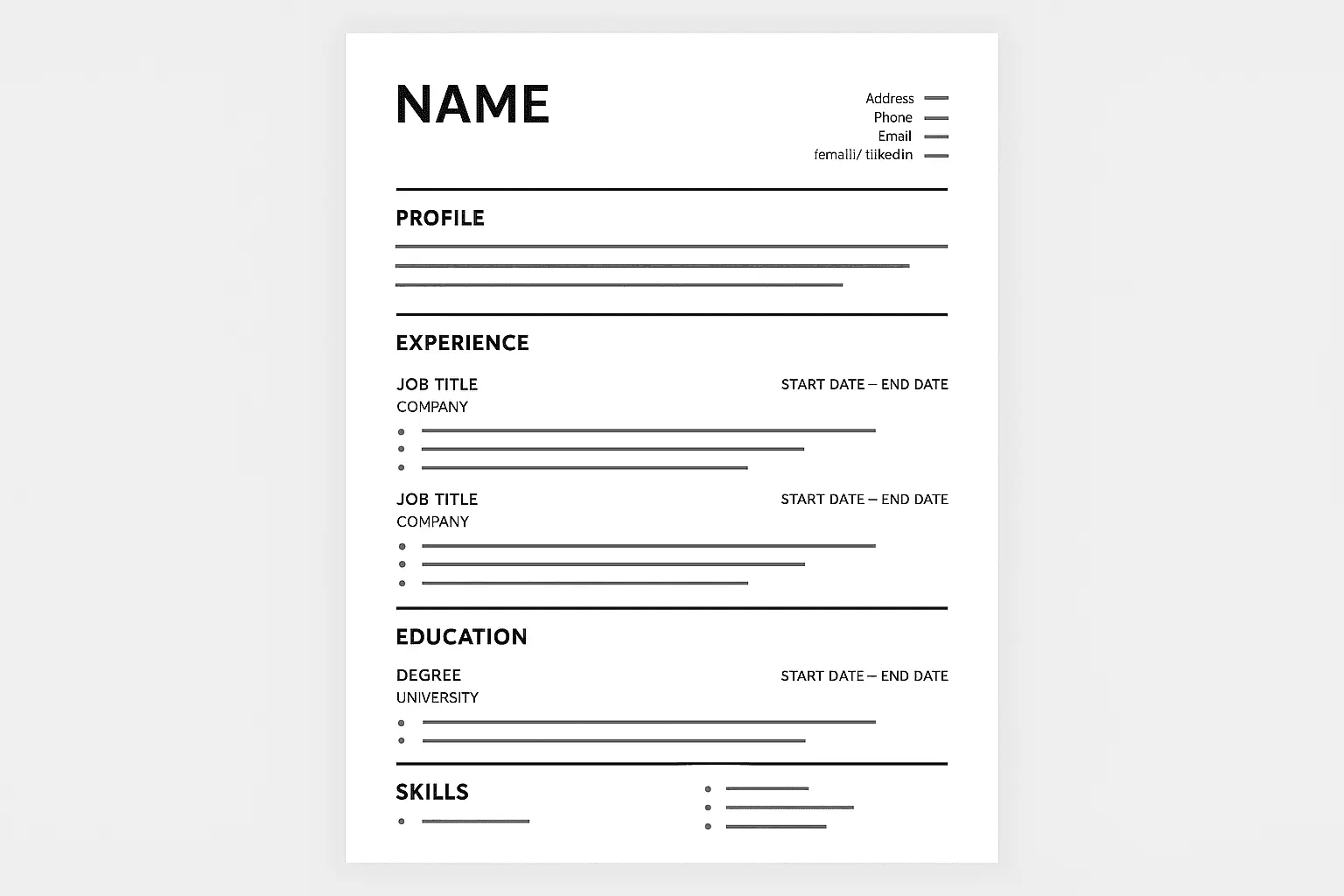
Resume and Cover Letter Excellence
Your resume needs to tell a story of getting better at stuff and making things happen. Each bullet point should make the reader think "Oh, this person actually gets results" instead of "This person showed up to things."
Numbers are your best friend. "Managed social media" is boring. "Increased Instagram engagement by 150% and grew followers from 500 to 2,000 in six months" is interesting. Always quantify when you can.
Action verbs are important, but context is everything. "Led a team" doesn't mean much. "Coordinated five students to organize campus event that attracted 300+ attendees and raised $5,000 for local charity" shows leadership plus actual results.
Keep the formatting clean and easy to scan. These people are looking at hundreds of resumes - yours needs to be easy to read quickly.
Transforming Experiences Into Impact Statements
Every single thing on your resume should connect to skills that employers want. Your retail job? That's customer service and sales experience. Group projects? Teamwork and project management. Volunteer work? Initiative and community engagement.
Use the STAR method to structure your bullet points: Situation, Task, Action, Result. Instead of "Worked as camp counselor," try "Supervised 15 kids aged 8-12 during summer camp, developed conflict resolution strategies that reduced behavioral incidents by 40% over eight weeks."
Leadership experiences need specifics. "President of Marketing Club" tells me nothing about what you actually did. "Led 25-member Marketing Club to increase membership by 60% and secure $3,000 in corporate sponsorships through targeted outreach campaign" shows real leadership impact.
Even your random college projects can show valuable skills. "Completed finance coursework" becomes "Built comprehensive DCF model analyzing Tesla's valuation, presented findings to 50+ classmates and received top grade in Advanced Corporate Finance."
Your weird part-time jobs can actually be great talking points. Restaurant work shows you can handle pressure and multitask. Tutoring proves you can communicate complex ideas clearly. The key is connecting these experiences to skills that matter for the job you want.
NYC-Specific Application Customization
Generic cover letters are the kiss of death. NYC employers can spot template language from space, and they hate it.
Every cover letter needs to reference specific stuff about the company that shows you've done your homework. Did they just launch a new product? Expand into a new market? Hire someone interesting? Mention it.
Research their culture and speak their language. A startup wants to hear about innovation and agility. An investment bank cares about precision and client service. Tailor your message accordingly.
Show that you understand the industry challenges they're facing. Talking about how fintech is disrupting traditional banking shows you get the bigger picture. Mentioning sustainability trends in fashion proves you're thinking about where the industry is headed.
Connect your experiences to their specific needs. If they're expanding internationally, highlight your study abroad experience. If they're launching digital initiatives, talk about your tech projects.
Jessica tailored her cover letter for a media company by referencing their recent podcast launch and explaining how her experience creating a campus radio show that increased listenership by 300% demonstrated relevant content creation and audience development skills. She got the interview while generic applicants were ignored.

Interview Mastery for NYC Success
NYC interviews are intense, multi-round processes designed to test every aspect of your candidacy. First round might be a phone screen with HR. Second round could be technical questions or case studies. Final rounds often involve meeting half the team and some senior people who will decide your fate.
You never know what format you'll get, so prepare for everything. Some companies do traditional behavioral interviews, others prefer case studies, technical challenges, or group exercises. The best candidates are ready for whatever gets thrown at them.
Your interview performance needs to show not just that you can do the job, but that you'll thrive in their specific environment and contribute beyond the basic requirements.
Technical and Case Interview Preparation
Finance interviews often include questions about valuation methods, financial statements, and what's happening in the markets. You should be comfortable discussing DCF models, comparable company analysis, and recent trends affecting the industry you're applying to.
Consulting case interviews test how you think through problems. Practice with case books, online resources, and mock interviews. The key isn't getting the "right" answer - it's showing clear, logical thinking.
Tech interviews might include coding challenges, system design questions, or walking through your portfolio. Practice on platforms like LeetCode, build some personal projects that show your skills, and be ready to explain your code.
Marketing and media interviews often focus on campaign analysis, creative thinking, and industry knowledge. Be ready to analyze recent campaigns you thought were smart, understand digital marketing metrics, and stay current with what's happening in the space.
Research each company's specific interview format using Glassdoor, company websites, and your network. Some firms use the exact same process for everyone, while others customize based on the role and team.
|
Interview Type |
Preparation Strategy |
Key Success Factors |
Common Mistakes |
|---|---|---|---|
|
Behavioral |
Prepare 8-10 STAR stories |
Specific examples with metrics |
Generic answers, no quantification |
|
Case Study |
Practice with case books |
Structured thinking process |
Rushing to solution, poor communication |
|
Technical |
Industry-specific skill practice |
Demonstrate competency confidently |
Over-explaining, lack of practical knowledge |
|
Group Exercise |
Practice collaboration skills |
Leadership while being collaborative |
Dominating discussion, not contributing |
|
Presentation |
Create compelling narratives |
Clear structure, engaging delivery |
Too much text, poor time management |
|
Panel Interview |
Research all interviewers |
Address everyone, maintain composure |
Focusing on one person, showing nervousness |
Behavioral Interview Excellence
Behavioral interviews are all about predicting how you'll perform based on how you've handled stuff in the past. NYC employers especially want to hear stories that show resilience, adaptability, and ability to work with all kinds of people.
Prepare 8-10 detailed STAR stories covering different situations: leadership, teamwork, conflict resolution, innovation, failure and learning, achievement under pressure. Each story should be 2-3 minutes with specific details and measurable outcomes.
Leadership stories should show influence and initiative, not just titles. "Convinced reluctant team members to adopt new project management system, resulting in 25% faster completion times" is way better than "I was team captain."
Failure stories are tricky but important. Focus on what you learned and how you applied those lessons later. "Initially struggled with time management freshman year, leading to missed deadlines. Developed personal organization system that improved productivity by 40% and helped me maintain 3.7 GPA thereafter."
Diversity and inclusion questions are becoming more common. Have examples ready of working effectively with people from different backgrounds, resolving cultural misunderstandings, or contributing to inclusive environments.
Practice your stories until they feel natural but not rehearsed. You should be able to adapt them based on specific questions while staying authentic and enthusiastic.
Surviving and Thriving: NYC Housing and Logistics
Housing is going to be your biggest headache and your biggest expense. Get this wrong, and it'll mess up your entire internship experience. Get it right, and you can focus on actually doing well at work instead of stressing about where you're sleeping.
Let's do some brutal math here. Even if you're making $40/hour at one of those high-paying finance internships, you're grossing about $6,400 a month. After taxes, you're looking at maybe $5,000 take-home. Spend $3,000+ on housing (which is stupidly easy to do in Manhattan), and you've got basically nothing left for food, transportation, and all the professional stuff you need to buy.
Smart housing decisions aren't just about saving money - they're competitive advantages. The interns who figure this out early can focus entirely on crushing it at work and building relationships, instead of panicking about rent every month.
For students pursuing competitive internships, location matters tremendously for both commute convenience and networking opportunities. Understanding how it works with comprehensive housing solutions can eliminate the stress of finding suitable accommodations while maintaining reasonable budgets for professional development activities.

Housing Solutions That Actually Work
Intern-specific housing programs are probably your easiest bet, but they fill up fast. Companies like EF Education First, NYU, and some private organizations offer summer housing just for interns and students. You're looking at $1,500-2,500 monthly, but utilities are included and you'll have a built-in social network.
Subletting from college students studying abroad is honestly genius. They need someone to cover rent while they're backpacking through Europe, you need a furnished place at below-market rates. Start looking in February and March when people finalize their study abroad plans.
Sharing apartments with other interns is probably your best bet financially and socially. Some of my best professional relationships started with people I lived with during internships. Use Facebook groups, company intern networks, and housing platforms to find compatible roommates.
Don't be a snob about the outer boroughs. Brooklyn neighborhoods like Park Slope, Williamsburg, and Astoria have reasonable commutes to Manhattan but way more space and lower costs. Queens areas near subway lines can cut your housing costs by 30-40%.
Properties like the Heritage House in Manhattan offer strategic locations that balance accessibility to major business districts with reasonable pricing, making them ideal for interns who need reliable housing without breaking their internship budgets.
Consider temporary housing for your first few weeks so you can apartment hunt in person instead of signing a lease for a place you've never seen. Hostels, short-term rentals, or crashing with friends gives you flexibility while you find something permanent.
Budgeting for NYC Reality
Your housing should not eat up more than 50% of your take-home pay, and 40% is safer. So if you're making $5,000 monthly after taxes, spend no more than $2,000-2,500 on housing including utilities.
Transportation adds up quick. Monthly MetroCards cost $127, but you'll also need Ubers for late nights, networking events, or when the subway decides to completely break down right when you need to get to work. Budget $200-250 monthly for getting around.
Food costs depend entirely on your choices. Cooking at home keeps you around $300-400 monthly, while eating out constantly can easily hit $1,000+. Most interns find a middle ground around $500-600 monthly.
Professional expenses are real and necessary. Dry cleaning, work clothes, networking events, occasionally picking up the tab when you're out with colleagues. Budget $200-300 monthly for stuff that directly impacts your professional success.
Emergency funds are crucial in NYC's expensive environment. Aim for $1,000-1,500 available for unexpected expenses, security deposits, or temporary housing needs.
Track your spending weekly, not monthly. NYC's costs can spiral fast, and weekly check-ins help you course-correct before small overspending becomes a major financial disaster.
NYC Intern Budget Checklist:
- Calculate take-home pay after taxes and deductions
- Set housing budget at maximum 50% of take-home pay
- Research transportation options and monthly costs
- Plan meal strategy balancing cost and convenience
- Budget for professional wardrobe and dry cleaning
- Allocate funds for networking events and entertainment
- Establish emergency fund for unexpected expenses
- Set up weekly budget tracking system
- Research free activities and student discounts
- Plan for security deposits and move-in costs

Turning Your Internship Into Career Gold
Here's the thing most people don't get: your internship's real value isn't the paycheck. It's the relationships you build, the skills you develop, and the reputation you establish that will define your career for the next decade.
Most students just focus on doing their assigned tasks and calling it a day. Meanwhile, the smart ones are thinking strategically about how to add value, build relationships across the organization, and position themselves as future full-time employees rather than just temporary help.
You're basically auditioning for your career while building a professional network that'll serve you for decades. This requires intentional effort from day one.
Performance Optimization Strategies
Your first impression sets the tone for everything that comes after. Show up 15 minutes early every day, dress slightly better than the standard office attire, and bring a notebook to every meeting. These tiny details signal that you're serious and professional.
Ask better questions than the other interns. Instead of "What should I do next?" try "I've finished the analysis you requested. Based on what I found, I think we should explore X and Y. Would you like me to research those areas, or should we discuss the findings first?"
Volunteer for extra stuff, especially high-visibility projects that put you in front of senior leadership. When managers ask for volunteers, your hand should be up immediately. This eagerness shows initiative and helps you stand out from peers who only do what's required.
Document everything you work on, including your specific contributions and measurable outcomes. This becomes crucial for performance reviews, recommendation letters, and future job applications.
Build relationships beyond your immediate team. Introduce yourself to people in other departments, go to optional company events, participate in intern programming. These broader relationships often end up being more valuable than connections within your specific team.
First 30 Days Success Framework
Week one is all about observation and relationship building. Learn everyone's names, understand team dynamics, identify the key decision-makers. Take detailed notes about processes, company lingo, and culture stuff that'll help you navigate effectively.
Week two should show that you're learning fast and taking initiative. Start contributing to discussions, ask follow-up questions that prove you're thinking critically, volunteer for small additional tasks that showcase what you can do.
Week three is when you should start taking ownership and suggesting improvements. You've watched long enough to understand how things work - now show how you can add value beyond just completing basic tasks.
Week four establishes your reputation for the rest of your internship. By this point, people should see you as a valuable team member, not just an intern. Your contributions should be generating positive feedback and additional opportunities.
Schedule informal check-ins with your supervisor during this period. Ask for specific feedback about your performance and areas where you can improve. This proactive approach shows maturity and commitment to getting better.

Project Selection and Ownership
Busy work and administrative tasks won't advance your career, while strategic projects that align with full-time employee responsibilities show your potential value to the organization.
Look for projects with clear, measurable outcomes that you can quantify on your resume and discuss in future interviews. "Supported marketing team" becomes "Analyzed customer acquisition data and identified optimization opportunities that increased conversion rates by 15%."
Push for exposure to client interactions, senior leadership meetings, or cross-functional projects. These experiences give you broader business understanding while building relationships with decision-makers who influence hiring.
Take ownership of your projects instead of just completing assigned tasks. Look for ways to exceed expectations, suggest improvements to existing processes, deliver work that shows strategic thinking.
Create detailed project summaries documenting your approach, challenges you overcame, and results you achieved. These summaries become valuable content for performance reviews, recommendation requests, and future job applications.
Mentorship and Feedback Acquisition
Don't wait for formal reviews to get feedback. Schedule brief weekly check-ins with your supervisor to discuss progress, ask questions, and show your commitment to continuous improvement.
Ask for specific, actionable feedback rather than general comments. "How can I improve my presentation skills?" gets better responses than "How am I doing?" Focus on skills that'll benefit your long-term career development.
Find informal mentors beyond your direct supervisor. Senior colleagues who aren't responsible for evaluating you often give more honest feedback and career advice.
Prepare thoughtful questions for mentoring conversations. Ask about their career path, industry trends, skills they wish they'd developed earlier, advice for students entering the field.
Show gratitude for feedback and follow up on suggestions. When someone takes time to help you improve, prove you value their input by implementing their recommendations and reporting back on progress.
Return Offer and Reference Strategy
Return offers are the ultimate internship success, but they require strategic positioning from day one. Companies typically extend offers to 20-40% of their intern class, so you need to be in the top tier.
Even if return offers aren't available, strong references from your internship can open doors throughout your career. The relationships you build and reputation you establish often prove more valuable than the immediate job opportunity.
Focus on demonstrating that you're already operating at entry-level employee standards rather than just completing intern-level tasks. This mindset shift influences how you approach every project and interaction.
Full-Time Conversion Tactics
Express interest in full-time opportunities early, but back it up with exceptional performance. Saying you want to work there means nothing if your work quality doesn't support that claim.
Understand your company's hiring timeline and requirements. Some firms make offers during the internship, others wait until fall recruiting season. Knowing their process helps you time conversations appropriately.
Exceed expectations consistently rather than just meeting them. Deliver work early, suggest improvements to existing processes, volunteer for additional responsibilities that demonstrate your value.
Build relationships with multiple team members who can advocate for your return offer. Having support from various colleagues strengthens your case during hiring discussions.
Prepare for the full-time offer conversation by documenting your contributions, gathering positive feedback, and articulating why you want to continue with the organization beyond generic statements about "great culture."
Professional Reference Development
Identify 3-4 potential references who can speak to different aspects of your performance: direct supervisor for overall work quality, senior colleague for leadership potential, peer for teamwork abilities, client or external contact for professional presence.
Make it easy for references to write strong recommendations by providing specific examples of your contributions, quantified achievements, and context about positions you're applying for.
Maintain relationships with references beyond your internship through periodic updates about career progress, holiday greetings, and occasional industry articles they might find interesting.
Ask for LinkedIn recommendations during your internship while your contributions are fresh in everyone's minds. These public endorsements strengthen your professional profile for future opportunities.
Show gratitude through handwritten thank-you notes, small gifts, or offers to help with their projects when possible. Strong references often become long-term mentors and professional advocates.
Alumni Network Integration
Company alumni from your school often become your strongest professional advocates. They understand both your educational background and company culture, making them ideal mentors and references.
Fellow interns represent your future professional peer group. Many will land full-time positions at top companies, start successful businesses, or become industry leaders. The relationships you build during internships can provide career opportunities for decades.
Professional associations in your industry offer networking opportunities, continuing education, and career resources that extend far beyond your internship experience. Join student chapters while you're eligible for discounted rates.
Stay connected through social media, industry events, and periodic check-ins. Your intern cohort becomes a valuable professional network as everyone advances and gains hiring influence at their respective companies.
Consider organizing annual reunions or informal gatherings with your intern class. These events strengthen relationships while providing opportunities to share job openings, industry insights, and career advice.

How Student Housing NYC Supports Your Internship Success
When you're juggling a competitive NYC internship, housing stress can totally derail your professional performance and networking opportunities. Student Housing NYC eliminates these distractions by providing reliable, all-inclusive accommodations that let you focus entirely on crushing it at work.
With rates starting from $1,700 monthly and strategic locations near major business districts and metro stations, Student Housing NYC offers the stability and convenience that successful interns need. Properties like the Lexington House provide easy access to Midtown offices, while the Hamilton House offers affordable alternatives with seamless Manhattan commutes.
By choosing Student Housing NYC, you're investing in your professional success. Instead of spending evenings apartment hunting, dealing with utility setup, or freaking out about surprise housing costs that could blow your internship budget, you can dedicate that time to networking events, skill development, and building relationships that'll define your career.
This housing stability becomes a genuine competitive advantage. You'll show up to work refreshed and focused instead of stressed about living arrangements, allowing you to perform at your highest level and make the impression that leads to return offers and strong recommendations. Options like the Apollo House in Harlem provide excellent value while maintaining easy access to Manhattan's business centers.
Ready to secure housing that actually supports your internship success? Contact Student Housing NYC today to learn about available options for your internship period, including premium locations like the Central Park Manhattan House for those seeking luxury accommodations near Central Park.
Final Thoughts
Look, NYC's internship market rewards students who approach opportunities strategically, not desperately. The highest-paying positions and most valuable experiences go to people who've invested time in skill development, relationship building, and understanding what employers actually need.
Your internship success isn't just measured by your paycheck or company prestige - it's determined by the relationships you build, skills you develop, and reputation you establish. These intangible benefits often prove way more valuable than immediate compensation, opening doors throughout your career.
The students who thrive in NYC's competitive environment share common traits: they prepare early, network authentically, exceed expectations consistently, and view their internships as auditions for their careers rather than temporary summer jobs.
Remember that every professional in NYC was once exactly where you are now - seeking opportunities, building skills, establishing their careers. The city's professional community is way more accessible than it appears, especially for students who approach networking with genuine curiosity and value to offer.
Your NYC internship represents more than just a resume line - it's your entry point into one of the world's most dynamic professional ecosystems. Make the most of every opportunity, relationship, and challenge you encounter. The effort you invest now will compound throughout your career, creating opportunities you can't even imagine yet.
The truth is, most people who "make it" in NYC aren't necessarily the smartest or most talented - they're the ones who were strategic, persistent, and genuinely interested in adding value wherever they went. That can absolutely be you.