Look, I'm not going to sugarcoat it—breaking into NYC's photography scene is brutal. But here's the thing: if you can make it here, you really can make it anywhere. With over 350 public art projects completed since 1982, with a cumulative value exceeding $65 million, the city's creative landscape provides diverse internship pathways that can transform your passion into a professional career. The challenge isn't just finding opportunities—it's surviving and thriving in one of the world's most demanding creative environments.
I've spent years watching talented photographers struggle to break into NYC's photography scene, and I can tell you that the difference between those who succeed and those who don't comes down to understanding how this industry really works. The photography internships NYC offers aren't just about carrying equipment and fetching coffee—they're your gateway into a professional network that can define your entire career.
Table of Contents
TL;DR
- NYC's photography scene spans fashion houses, commercial studios, galleries, and digital platforms - each requiring different portfolio approaches
- Here's what nobody tells you: while everyone's fighting over those glossy fashion internships, some of the best learning happens at smaller commercial studios where you'll actually touch a camera before month three
- Your portfolio needs 15-20 technically excellent images tailored to your target sector, plus a professional online presence that doesn't scream "amateur"
- Fair warning: you'll spend your first month organizing light stands and running coffee orders. That's not failure—that's paying your dues
- Document everything from your internship for portfolio updates and create case studies that show you can actually solve problems, not just follow orders
- Living in a shoebox in Manhattan beats living in a palace in the outer boroughs when you're trying to build a career—those extra commute hours will destroy you
Finding Photography Internship Opportunities in NYC
The photography industry in New York operates differently than most people expect. While everyone talks about the glamorous fashion shoots and celebrity portraits, the real opportunities exist across multiple sectors that most aspiring photographers never consider. I've seen students waste months applying only to the big-name fashion houses while completely ignoring commercial studios, galleries, and digital platforms that offer better learning experiences and clearer paths to full-time employment.
Here's what nobody tells you: while everyone's fighting over those glossy fashion internships at Vogue, some of the best learning happens at smaller commercial studios where you'll actually touch a camera before month three. The city's interconnected creative community rewards those who actively engage with industry events and professional organizations, often leading to unadvertised positions through personal connections. We're talking about internships that never get posted online because they're filled through referrals and networking conversations.
Major Photography Industry Sectors That Actually Hire Interns
NYC's photography landscape divides into distinct sectors, each with unique requirements, learning opportunities, and career trajectories. Understanding these differences helps you target your search effectively and tailor your approach to match industry expectations. Most students make the mistake of applying everywhere with the same generic portfolio, which immediately signals that they haven't done their homework.
Let me break this down for you in terms that actually matter:
Fashion Photography Houses: Where Style Meets Brutal Reality
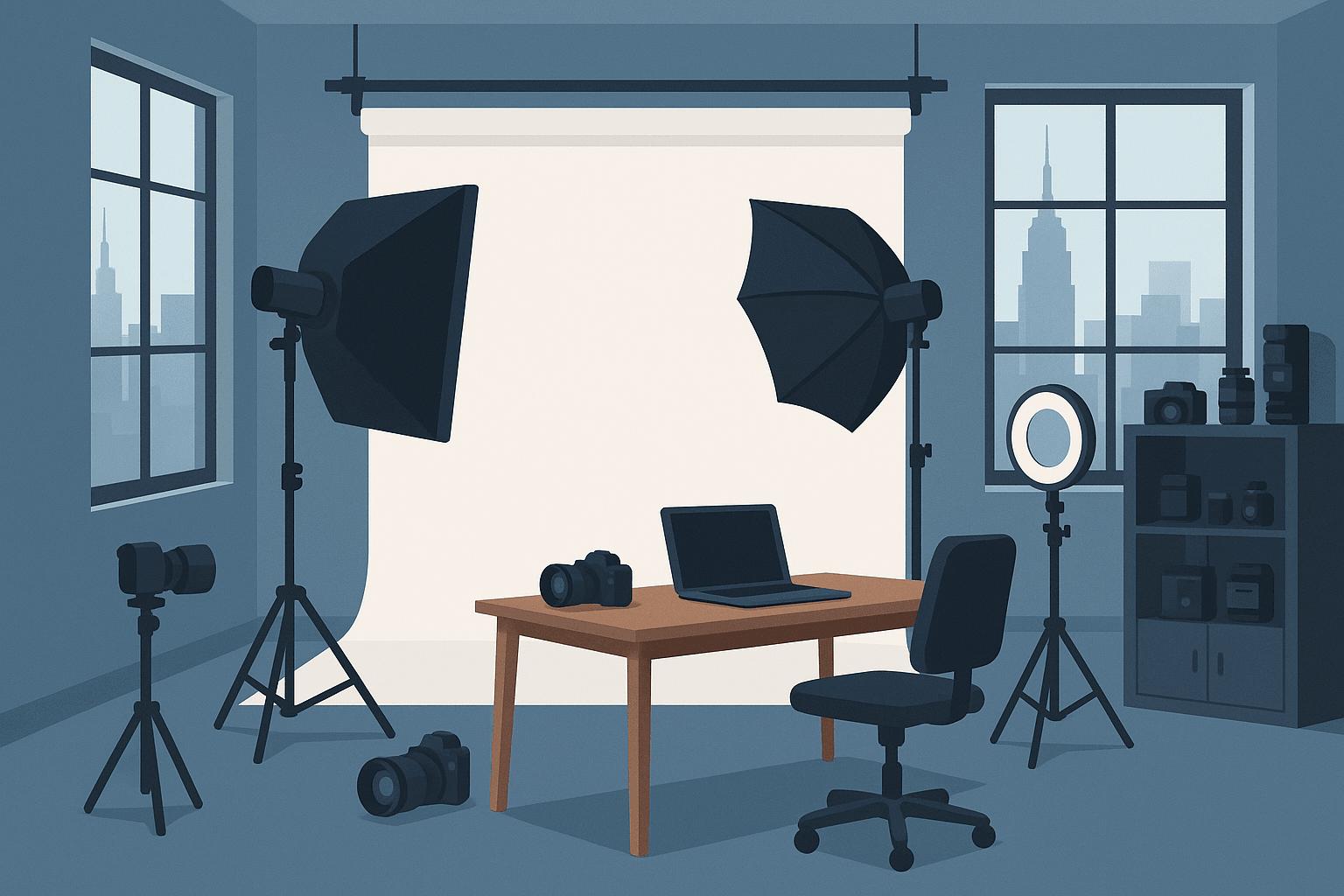
Fashion photography internships provide exposure to high-budget productions, celebrity shoots, and runway documentation. These positions demand technical excellence and the ability to work under pressure while managing complex lighting setups and equipment. Don't expect to be shooting models on day one—you'll spend weeks learning how to properly handle a $50,000 lighting setup before anyone trusts you near the talent.
I remember my first fashion shoot as an intern. I was so nervous about touching the expensive equipment that I accidentally knocked over a light stand during a celebrity portrait session. The photographer didn't even blink—just calmly repositioned it and kept shooting. That's when I realized professionals expect mistakes; they just expect you to learn from them quickly.
Fashion houses and independent photographers need interns who can handle equipment management during fast-paced shoots. You'll assist with lighting adjustments, manage wardrobe coordination, and learn post-production workflows specific to fashion imagery. Major modeling agencies also offer internships focusing on portfolio development shoots and casting documentation.
At Society Management, a modeling agency, photography interns interview models during photoshoots, edit their photos and videos, design comp cards (visual resumes for models), and help assemble portfolios for visa renewals. This hands-on experience provides insight into both the creative and business aspects of fashion photography while building relationships with industry professionals.
The work involves early morning call times, weekend shoots, and occasional travel to location shoots. Fashion internships teach you to work efficiently under tight deadlines while maintaining the technical standards required for high-end commercial work. I've watched interns transform from nervous students to confident assistants in just a few months, but only if they embrace the demanding schedule and maintain their enthusiasm when the work gets repetitive.
For students pursuing competitive photography internships in nyc, The Apollo House offers strategic Harlem location with easy access to Manhattan's fashion district and photography studios.
Commercial and Advertising Studios: Where You Learn Photography is Actually a Business
Commercial photography internships focus on product photography, corporate headshots, and advertising campaigns. These positions offer practical experience in client relations, studio management, and the business aspects of professional photography. Here's where you'll learn that photography is 30% creative vision and 70% client management, project coordination, and business operations.
Nobody prepared me for my first client meeting at a commercial studio. I thought I'd be discussing artistic vision and creative concepts. Instead, I spent two hours learning about product specifications, delivery timelines, and usage rights. It was a wake-up call about what professional photography actually involves.
Commercial studios need interns who understand both technical photography skills and client service. You'll learn product photography techniques, assist with corporate headshot sessions, and observe client meetings where creative concepts are developed and refined. The pace is different from fashion—more methodical, more focused on precision and consistency.
These internships provide insight into photography pricing, project management, and the administrative side of running a photography business. The experience proves invaluable for building a sustainable photography career beyond just creative skills. You'll discover that successful commercial photographers are essentially small business owners who happen to use cameras as their primary tool.
Fine Art Galleries and Museums: Where Photography Becomes Art (And Moves Really Slowly)
Cultural institutions offer photography internships focusing on archival work, exhibition documentation, and curatorial assistance. These positions provide insight into the art world while building connections in the fine arts community. The work moves at a completely different pace than commercial photography, with projects spanning months or years rather than days.
Museums like MoMA and the Met, plus Chelsea galleries, need interns for exhibition documentation, archival photography, and curatorial research. You'll learn about art handling, exhibition lighting, and the technical requirements for museum-quality photography. The technical standards are incredibly high—we're talking about images that need to last for decades and represent artworks accurately for scholarly research.
I spent a summer interning at a Chelsea gallery, and the first thing they taught me was how to handle a $2 million photograph. The level of care and precision required was unlike anything I'd experienced. Every movement was deliberate, every technical decision carefully considered. It completely changed how I approached photography as both craft and art.
Gallery internships expose you to the business side of fine art photography, including pricing strategies, collector relations, and the process of building an artist's career. The connections you make often lead to future exhibition opportunities or representation. I've seen gallery interns develop relationships with collectors who later become their first clients when they establish independent practices.
Digital Platforms and Online Opportunities
The digital revolution has created new internship pathways through social media companies, content creation agencies, and digital-first publications. These opportunities focus on rapid-turnaround visual content and digital storytelling techniques that complement traditional photography skills.
Social Media and Content Creation Companies: Fast-Paced Visual Storytelling
Social media agencies and content creation companies offer internships focused on rapid-turnaround photography, video content, and digital storytelling. These positions teach efficiency and adaptability in creating visual content for various platforms. The work environment is completely different from traditional photography—think startup energy with creative deadlines measured in hours rather than weeks.
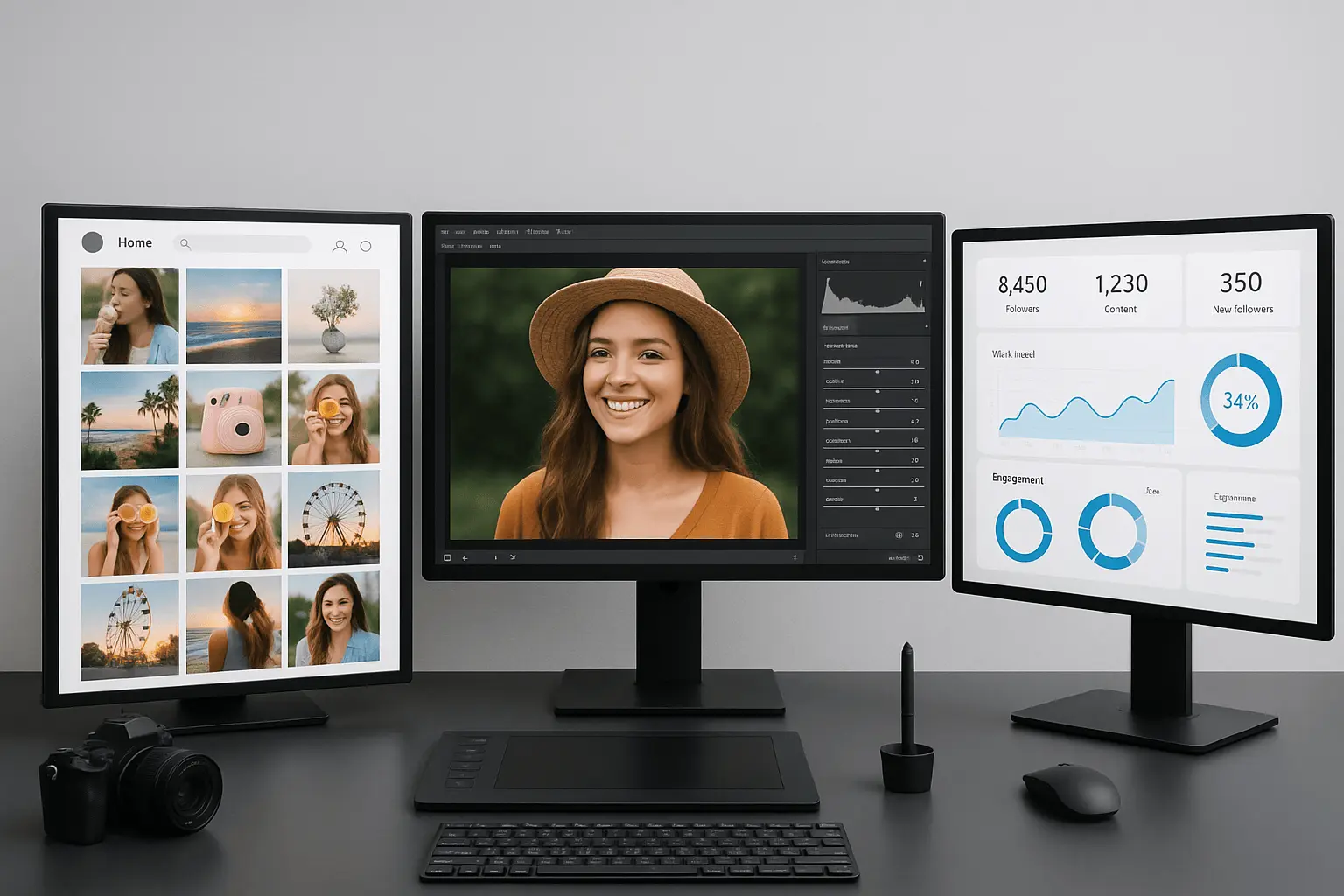
Instagram, TikTok, and emerging platforms have created demand for visual content specialists who understand both photography and social media strategy. Internships with social media agencies teach you to create content that performs well across different platforms while maintaining visual quality. You'll learn to think about engagement metrics, algorithm preferences, and audience behavior alongside traditional composition and lighting principles.
Content creation companies need interns who can shoot, edit, and publish content quickly. You'll learn to work with influencers, manage multiple projects simultaneously, and understand analytics that drive content strategy decisions. The skills you develop here are increasingly valuable as traditional photography clients expect their photographers to understand digital marketing and social media distribution.
Networking and Industry Events That Actually Matter
NYC's photography community thrives on personal connections made through industry events, professional organizations, and informal gatherings. These networking opportunities often lead to internship positions that are never publicly advertised, making active participation essential for accessing the best opportunities.
Recent developments in NYC's creative education scene highlight the importance of networking and mentorship. "Many students cannot afford to move to NYC after graduation to look for a job. But when New York companies are hiring, they often want you to already be in the city" according to RIT's new NYC program, which helps students secure internships at prestigious locations like The Metropolitan Museum of Art, YARDNYC, Elite World Group modeling agency, and NYC Salt through alumni connections.
Creative students often find that The Central Park Manhattan House provides an ideal base for attending gallery openings and photography events throughout the city.
Photography Organizations and Professional Groups: Your Industry Gateway
Professional photography organizations host regular events where students can connect with established photographers and learn about unadvertised internship opportunities. These groups provide structured networking and mentorship opportunities that can accelerate your career development in ways that online applications never will.
Organizations like the Professional Photographers of America (PPA) NYC chapter and the American Society of Media Photographers (ASMP) host monthly meetings, workshops, and portfolio reviews. Membership (often discounted for students) provides access to job boards and mentorship programs. The real value comes from the conversations that happen before and after the formal presentations—that's where internship opportunities get discussed.
I met my first mentor at a PPA meeting where I was the youngest person by about twenty years. I felt completely out of place until a veteran photographer struck up a conversation about my portfolio during the coffee break. Six months later, she offered me an internship that changed my entire career trajectory.
Local photography meetups and camera clubs offer more casual networking opportunities. These groups often include working professionals who may need intern assistance for upcoming projects or know colleagues who are hiring. I've seen students land internships through casual conversations at these meetups that they never would have found through traditional job searches.
Portfolio Review Events and Photo Walks: Where Magic Happens
Portfolio review sessions and organized photo walks provide direct feedback from industry professionals while creating opportunities for organic relationship building. These informal settings often lead to internship offers through personal connections that develop naturally over shared creative interests.
Regular portfolio review events throughout the city give you direct access to established photographers who can provide career guidance and potential internship opportunities. Prepare a concise portfolio presentation and specific questions about their career path. The photographers who volunteer their time for these events are genuinely interested in helping the next generation—take advantage of their willingness to share knowledge and connections.
I remember my first portfolio review—I was so nervous I accidentally showed the same image twice and didn't notice until the reviewer pointed it out. Mortifying? Yes. But she ended up giving me the best advice I ever got about editing ruthlessly. Sometimes the most embarrassing moments lead to the most valuable lessons.
Organized photo walks through different NYC neighborhoods create relaxed environments for meeting other photographers and industry professionals. These events often lead to collaborative projects or internship referrals through the relationships you build. The key is showing up consistently and being genuinely interested in other people's work rather than just promoting your own.
Gallery Openings and Industry Showcases: Where Business Actually Happens
Chelsea gallery openings, PhotoVille, and photography showcases create environments for relationship building that often result in internship opportunities. These events combine networking with exposure to current industry trends and emerging photographers.
Gallery openings in Chelsea happen every Thursday evening, creating regular networking opportunities. Attend openings related to photography exhibitions and engage in conversations about the work and the artists' career paths. The art world operates on relationships and personal recommendations—gallery openings are where those relationships begin.
Here's the gallery opening strategy everyone gets wrong: Don't go to network. Go because you're genuinely interested in the photography. When you're actually engaged with the work, conversations happen naturally. People can smell desperation from across the room, but they're drawn to genuine enthusiasm.
PhotoVille and other annual photography events bring together photographers, gallerists, and industry professionals in concentrated networking environments. These events often feature portfolio review opportunities and panel discussions about career development. The concentrated nature of these events means you can meet more industry professionals in one weekend than you might encounter in months of individual outreach.
Application Strategies and Portfolio Development
Successfully landing a photography internship in NYC requires strategic application materials that demonstrate both technical excellence and understanding of your target sector. Your portfolio, cover letter, and digital presence must work together to present a cohesive professional brand that stands out in a competitive market.
I've reviewed hundreds of internship applications, and I can spot the winners within the first thirty seconds. The difference isn't always talent—it's preparation, research, and understanding what each specific opportunity requires. Generic applications get deleted immediately, while customized applications that show genuine research and relevant skills get serious consideration.
Portfolio Curation for NYC's Demanding Market
NYC's competitive photography market demands portfolios that demonstrate technical mastery, creative vision, and market awareness. Your portfolio must be tailored to your target sector while maintaining consistently high technical standards across all images.

Technical Excellence Standards: Non-Negotiable Fundamentals
Your portfolio must demonstrate mastery of fundamental photography techniques including proper exposure, sharp focus, and professional-level post-processing. Technical excellence forms the foundation that allows your creative vision to shine through. I've seen incredibly creative portfolios rejected because of basic technical flaws that could have been easily corrected.
Include 15-20 of your strongest images that showcase consistency across different lighting conditions and subjects. Every image should demonstrate proper exposure, sharp focus where intended, and professional post-processing that enhances rather than overwhelms the original capture. Quality over quantity is crucial—one technically flawed image can undermine an otherwise strong portfolio.
Avoid including images with technical flaws, even if they're creatively interesting. NYC's photography market has zero tolerance for technical mistakes, and a single poorly exposed or soft image can eliminate you from consideration. This might seem harsh, but professional photography requires absolute technical reliability.
Your post-processing should be consistent and appropriate for your target market. Fashion portfolios might include more stylized processing, while commercial work should demonstrate natural, accurate color reproduction. The processing style should enhance your images without calling attention to itself.
Market-Specific Content Selection: Tailoring Your Visual Story
Different photography sectors require specific types of portfolio content that demonstrate your understanding of their unique requirements and aesthetic preferences. Research your target market thoroughly and curate content that speaks their visual language.
Fashion internships require evidence of working with models, understanding of styling, and ability to create compelling portraits. Include fashion-forward portraits, styling experiments, and any collaboration work with makeup artists or stylists. Even if you haven't worked with professional models, demonstrate your ability to direct subjects and create polished portrait work.
Commercial internships need product photography examples, corporate headshots, and work that demonstrates client-focused thinking. Show your ability to make products look appealing and create professional portraits that serve business purposes. The work should look clean, professional, and commercially viable.
Fine art gallery internships require a cohesive artistic vision and understanding of contemporary photography trends. Your portfolio should demonstrate conceptual thinking and technical excellence within a consistent artistic framework. The work should show depth and intellectual engagement with photography as an art form.
Application Materials and Professional Presentation
Beyond your portfolio, successful internship applications require carefully crafted supporting materials that demonstrate professionalism and genuine interest in the specific opportunity. Research and customization separate successful applications from generic submissions.
When applying for the NYC Department of Cultural Affairs' Public Art Photography Intern position, successful candidates must demonstrate at least four years of photography experience, proficiency with DSLR cameras capable of producing images at 300 dpi, and expertise in Adobe Photoshop. The position requires photographing public artworks across all five boroughs and preparing high-quality images for official use on websites and promotional materials.
Students applying for demanding internships benefit from The Hell's Kitchen House location, which provides quick access to Midtown studios and commercial photography districts.
Cover Letter Customization: Showing You've Done Your Homework
Research each company thoroughly and customize your cover letter to demonstrate knowledge of their recent work, client base, and company culture. Generic cover letters immediately signal lack of genuine interest and attention to detail. I can tell within the first paragraph whether an applicant has researched our company or sent the same letter to fifty different organizations.
Mention specific projects or photographers within the organization that inspire you and explain how your skills align with their current needs. Reference recent work they've published or clients they've worked with to show you understand their market position. This level of research takes time, but it dramatically increases your chances of getting noticed.
Explain what you hope to learn from the specific internship and how it fits into your career goals. Demonstrate that you've thought about how this opportunity advances your professional development rather than just seeking any available position.
Keep your cover letter concise but specific. Hiring managers can quickly identify generic applications, and personalized letters that show genuine research and interest stand out immediately. Aim for three paragraphs that pack maximum impact without wasting words.
Resume Optimization for Creative Industries: Highlighting What Actually Matters
Structure your resume to highlight photography-related experience, technical skills, and any published work while maintaining professional formatting that's easy to scan quickly. Creative industry resumes should balance visual appeal with clear information hierarchy.
Include personal photography projects, any published work (even student publications), photography coursework, and technical skills with specific software and equipment. Quantify your experience where possible (number of shoots, publications, etc.). Numbers provide concrete evidence of your experience level and commitment to photography.
List technical proficiencies including camera systems, lighting equipment, and software expertise. Be specific about your skill level with different tools rather than just listing everything you've touched. Employers need to understand exactly what equipment you can operate independently versus what you've only observed.
Include links to your online portfolio and social media presence, ensuring all platforms present a consistent brand and aesthetic. Your resume should drive traffic to your visual work rather than trying to describe it in text.
Digital Presence and Online Portfolio: Your 24/7 Representative
Maintain a professional website with your portfolio, an active Instagram account showcasing your work, and a LinkedIn profile optimized for photography industry connections. Your digital presence often makes the first impression before any personal interaction.
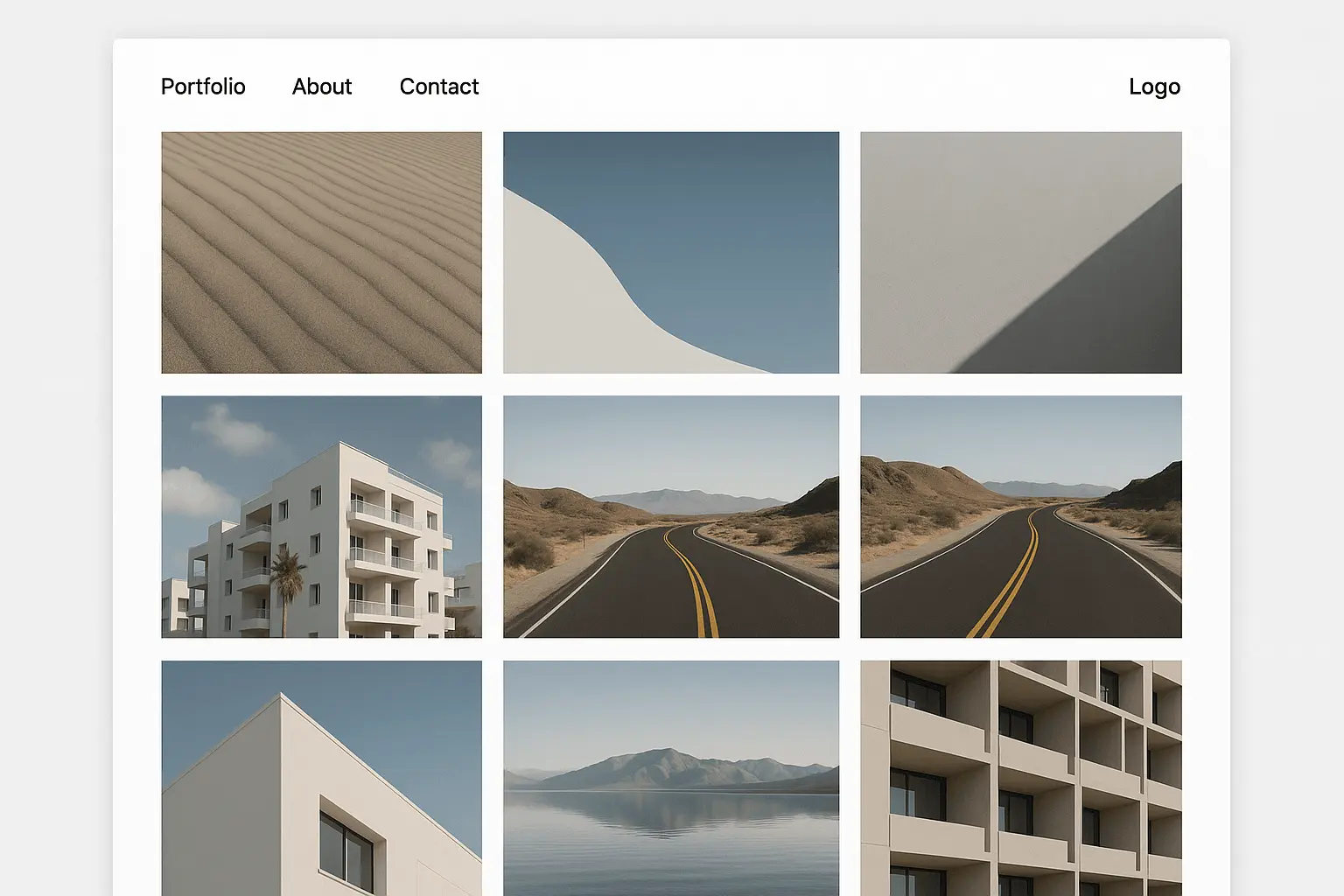
Your website should load quickly, display images beautifully, and include clear contact information. Organize your portfolio into clear categories that match your target internship sectors, making it easy for potential employers to find relevant work. Slow-loading websites or confusing navigation immediately create negative impressions.
Instagram serves as your visual business card in the photography world. Post consistently, use relevant hashtags, and engage with other photographers' work to build your network and visibility within the community. Your Instagram feed should feel cohesive and professional while showing personality and creative development.
LinkedIn helps you connect with industry professionals and stay informed about job opportunities. Optimize your profile with photography-specific keywords and join photography industry groups where internship opportunities are often shared. Many hiring managers check LinkedIn profiles to verify your professional connections and industry engagement.
Maximizing Your Internship Experience
Once you secure a photography internship in NYC, your success depends on proactive engagement that goes beyond completing assigned tasks. Treat every interaction as a learning opportunity and focus on building relationships that extend beyond your internship period. Your goal is to become indispensable while developing skills that advance your career.
The difference between interns who get hired and those who don't comes down to attitude and initiative. I've watched talented interns fade into the background because they waited for instructions, while less technically skilled interns became essential team members by anticipating needs and volunteering for challenging projects.
Fair warning: you'll spend your first month organizing light stands and running coffee orders. That's not failure—that's paying your dues. The photographers who complain about this usually don't last.
Professional Development During Internship
Treat your internship as an intensive learning laboratory where every project contributes to your professional growth. Actively seek challenging assignments, ask thoughtful questions, and document your learning process to maximize the educational value of your experience.
Technical Skill Advancement: Learning from the Best Equipment and Techniques
Take advantage of access to professional equipment by learning new techniques, asking questions about gear usage, and volunteering for challenging assignments that push your technical boundaries. Document your learning process and new skills acquired.
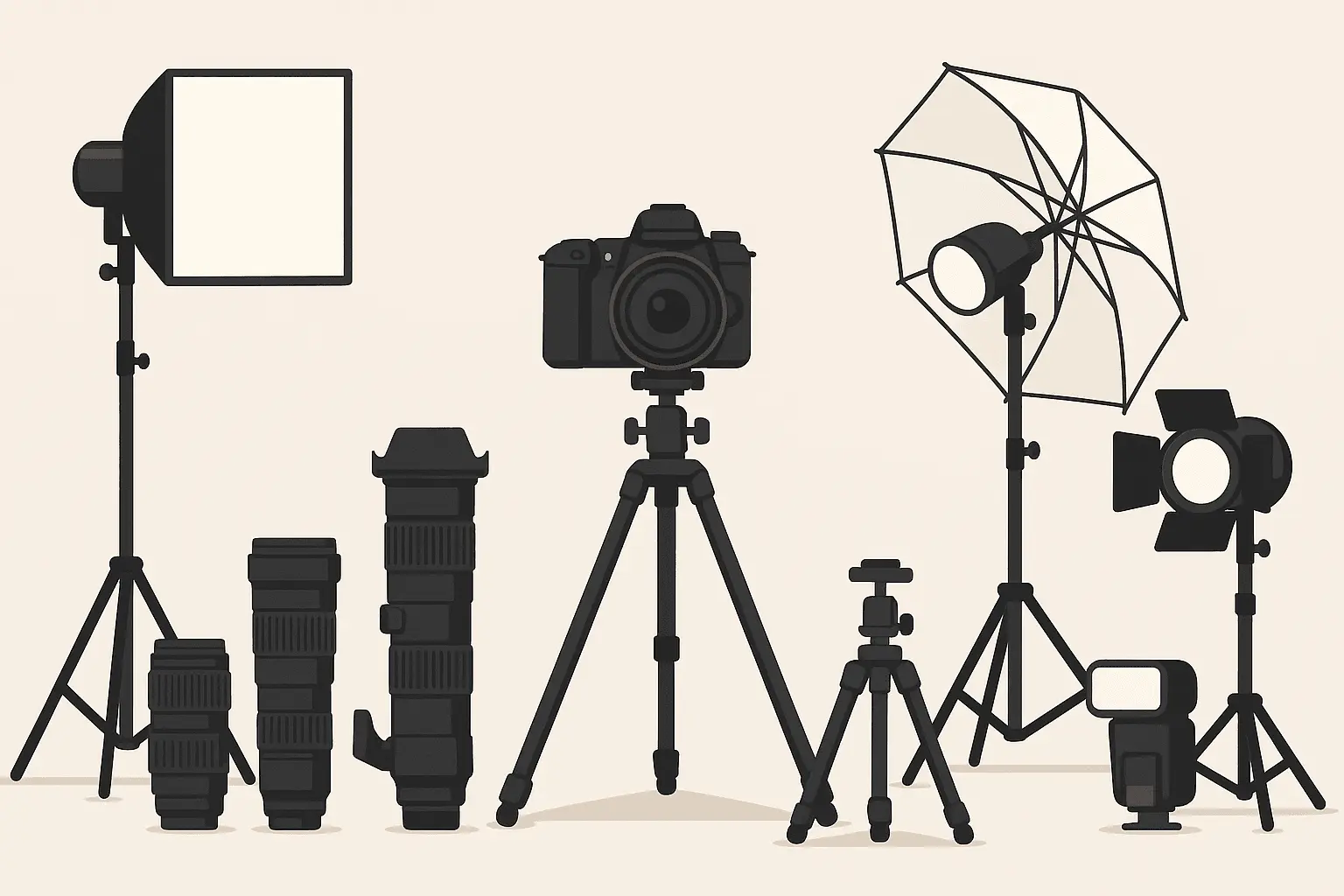
Volunteer for assignments that involve equipment you haven't used before. Professional studios often have lighting setups, camera systems, and accessories that would be expensive to access independently. Ask questions about why specific equipment choices are made for different projects. Understanding the reasoning behind gear decisions teaches you to think strategically about technical choices.
I remember the first time I got to use a Phase One camera system—my hands were literally shaking because I knew that camera cost more than my car. But that's exactly why these internships matter. Where else are you going to learn on $100,000 worth of lighting equipment without having to buy it yourself?
Request to observe post-production workflows and learn about software techniques used in professional environments. Many studios use advanced retouching techniques and workflow management systems that aren't taught in school. These skills often become your competitive advantage when applying for future positions.
Document the technical skills you acquire during your internship. Create a learning log that tracks new equipment you've used, techniques you've learned, and problems you've solved. This documentation becomes valuable for future job interviews and portfolio development.
Client Relations and Business Operations: The Skills They Don't Teach in School
Observe how experienced photographers interact with clients, handle project timelines, and manage business operations. These soft skills often determine long-term career success more than technical photography abilities.
Ask to sit in on client meetings when appropriate and learn about pricing discussions, contract negotiations, and project scope management. Understanding the business side of photography is crucial for building a sustainable career. Many photographers struggle financially because they focus exclusively on creative skills while ignoring business fundamentals.
Nobody prepared me for my first client meeting at a commercial studio. I thought I'd be discussing artistic vision and creative concepts. Instead, I spent two hours learning about product specifications, delivery timelines, and usage rights. It was a wake-up call about what professional photography actually involves.
Pay attention to how photographers handle difficult clients, manage expectations, and deliver projects on time and within budget. These skills separate successful professional photographers from talented amateurs. Client management often determines whether photographers build thriving businesses or struggle to find consistent work.
Learn about the administrative systems used for project management, client communication, and file organization. Professional workflows often involve sophisticated systems for managing large volumes of images and client communications. These organizational skills become increasingly important as your career develops and project complexity increases.
Building Industry Relationships That Last
Your internship provides access to a network of industry professionals including photographers, assistants, clients, and vendors who can become valuable connections for future opportunities. Focus on building genuine relationships rather than just collecting contacts.
Mentor Relationship Development: Finding Your Professional Guide
Identify photographers or senior staff members whose career paths interest you and request informal mentoring relationships. Prepare thoughtful questions about their career development and ask for feedback on your work and professional growth.
Choose potential mentors based on career paths that align with your goals rather than just seniority. A photographer who specializes in your area of interest can provide more valuable guidance than someone in a different specialty. Look for professionals who demonstrate both technical excellence and business success in areas that match your aspirations.
I met my first mentor while helping carry equipment after a photo shoot. She was struggling with a heavy case, I offered to help, and we ended up talking about her career path during the elevator ride. Three years later, she recommended me for my first paying gig. That's how this industry actually works—through small moments of genuine human connection.
Prepare specific questions about their career development, industry changes they've observed, and advice for building a successful photography business. Avoid generic questions that could be answered through online research. Show that you've done your homework and want insights that only come from direct experience.
Respect their time by being prepared for conversations and following through on any advice they provide. Successful mentoring relationships are built on mutual respect and genuine interest in learning. Mentors invest time in people who demonstrate commitment to growth and professional development.
Peer Network Expansion: Your Future Collaborators and Referral Sources
Connect with other interns and assistants in your organization and throughout the NYC photography community. These peer relationships often become the foundation for future collaborations and job referrals as everyone advances in their careers.
Other interns and junior staff members are likely to advance in their careers alongside you, making them valuable long-term network connections. Today's intern might become tomorrow's photo editor or studio manager who remembers your professionalism. Building relationships with peers creates a support network that grows more valuable over time.
Participate in group projects and social events with other interns. These relationships often lead to collaborative projects, job referrals, and mutual support as you all navigate early career challenges. The photography industry is surprisingly small, and maintaining good relationships with peers pays dividends throughout your career.
Stay in touch with intern colleagues after your program ends. Social media makes it easy to maintain these connections and celebrate each other's career milestones while staying aware of new opportunities. Your intern cohort becomes a professional network that spans different companies and specializations.
Jenny Anderson's career trajectory exemplifies the power of internship networking. Starting as a Broadway.com intern in 2007, she built relationships that enabled her to become the official backstage photographer at the Tony Awards. "I used to watch the Tonys with my mom, back in Mississippi. Now I'm back there with them. That full-circle moment is never lost on me" Anderson reflects, demonstrating how internship connections can evolve into career-defining opportunities.
Client and Vendor Connections: Expanding Your Professional Circle
When appropriate, introduce yourself to clients and vendors who work with your internship organization. These connections can lead to future work opportunities and provide insight into different aspects of the photography industry.
Clients often work with multiple photographers and may remember impressive interns when they need additional photography services. Professional, helpful interactions during your internship can lead to future project opportunities. Many successful photographers build their client base through referrals from previous internship connections.
Vendors including equipment rental companies, retouchers, and printing services often know about job opportunities throughout the industry. Building relationships with these service providers expands your network beyond just photographers. These professionals work with multiple studios and photographers, giving them broad visibility into industry hiring trends.
Maintain professional relationships through LinkedIn connections and occasional check-ins about their projects and industry developments. These relationships require minimal maintenance but can provide significant career benefits over time. A simple message congratulating someone on a new project or sharing relevant industry news keeps you visible in their professional network.
Transitioning from Internship to Career
The ultimate goal of your photography internship is establishing a foundation for a sustainable career in NYC's competitive photography market. This requires strategic planning, continued skill development, and leveraging your internship experience into paid opportunities while building long-term professional relationships.
The hardest part of my internship wasn't the long hours or the coffee runs—it was the moment it ended. Suddenly, I didn't have daily access to professional equipment, industry professionals, or structured learning. The real world felt terrifyingly empty after months of constant mentorship and feedback.
This is where most people stumble. They treat the end of their internship like graduation, when it's actually just the beginning of the real work.
Post-Internship Career Planning
Develop a clear strategy for leveraging your internship experience into paid opportunities and long-term career growth within your chosen photography specialization. Document your achievements and create a plan for continued professional development.
Portfolio Enhancement and Documentation: Showcasing Your Growth
Update your portfolio with work completed during your internship, including behind-the-scenes documentation and any client work you're permitted to showcase. Create case studies that demonstrate your problem-solving abilities and professional growth.
Document your internship projects with before-and-after examples that show your contribution to the final results. Include behind-the-scenes images that demonstrate your technical skills and professional work environment experience. This documentation proves your ability to work in professional settings and handle real-world projects.
Create case studies for significant projects that explain the challenges faced, solutions implemented, and results achieved. These case studies demonstrate problem-solving abilities and professional thinking that employers value. Focus on projects where you contributed meaningfully to the outcome rather than just assisted with basic tasks.
Update your online portfolio and social media presence with new work, ensuring that your digital presence reflects the professional growth achieved during your internship. Remove older work that no longer represents your current skill level. Your portfolio should show clear progression and increasing sophistication in both technical execution and creative vision.

Ongoing Professional Development
Continue building your skills and industry knowledge through workshops, continuing education, and active participation in NYC's photography community. Professional development should be an ongoing process throughout your career.
Advanced Training and Certification: Staying Competitive
Pursue specialized training in areas such as advanced lighting techniques, specific software proficiency, or business management for photographers. Consider certifications that add credibility to your professional profile and demonstrate commitment to ongoing learning.
Advanced lighting workshops and masterclasses help you develop specialized skills that command higher rates. NYC offers numerous workshops taught by industry professionals who can also become valuable network connections. These intensive learning experiences often provide more practical knowledge than semester-long courses.
Business training for photographers covers pricing strategies, contract negotiation, and marketing techniques essential for freelance success. Many successful photographers struggle with business aspects, making these skills particularly valuable. Understanding the business side of photography distinguishes professionals from hobbyists in clients' minds.
Software certifications in Adobe Creative Suite, Capture One, or specialized retouching programs demonstrate technical proficiency to potential employers. These certifications often lead to higher-paying positions and freelance opportunities. Staying current with software updates and new features shows commitment to professional excellence.
Consider pursuing specialized certifications in areas such as drone photography, underwater photography, or other niche specialties that can differentiate you in the competitive NYC market. Specialized skills often command premium rates and create opportunities in less saturated market segments.
Continuing Education and Skill Expansion: Never Stop Learning
Photography technology and industry trends evolve rapidly, making ongoing education essential for career longevity. Stay current with new techniques, equipment, and industry developments through formal and informal learning opportunities.
Attend photography conferences, trade shows, and equipment demonstrations to stay current with industry developments. These events also provide networking opportunities and exposure to new career possibilities. The photography industry changes quickly, and staying informed about trends helps you anticipate market shifts.
Online courses and tutorials help you develop specific skills between formal workshops. Platforms such as CreativeLive and LinkedIn Learning offer photography-specific courses taught by industry professionals. The flexibility of online learning allows you to develop skills around your work schedule.
Join photography forums and online communities where professionals share techniques, discuss industry trends, and offer career advice. Active participation in these communities builds your reputation and expands your network. Contributing valuable insights and helping other photographers establishes you as a knowledgeable professional.
Experiment with new photography techniques and technologies during personal projects. Innovation often comes from photographers who combine traditional skills with emerging technologies and creative approaches. Personal projects allow you to explore creative directions without client constraints.
Building Your Photography Business: From Intern to Entrepreneur
Whether you plan to freelance or work for established studios, understanding business fundamentals is crucial for long-term success. Develop skills in marketing, client relations, and financial management alongside your creative abilities.
Create a business plan that outlines your target market, pricing strategy, and growth goals. Even if you plan to work for others initially, understanding business fundamentals makes you a more valuable employee. Employers appreciate team members who understand the business implications of creative decisions.
Develop a marketing strategy that leverages your internship experience and network connections. Word-of-mouth referrals from internship contacts often provide the foundation for early freelance success. Your internship network becomes your first source of potential clients and project referrals.
Here's what actually works: Set up monthly coffee meetings with people from your internship. Not to ask for jobs, but to stay connected and share what you're working on. Send occasional photos from personal projects. Celebrate their successes on social media. Show up to their exhibitions. Be a genuine part of their professional community, not just someone who worked there once.
Learn about photography pricing, contracts, and legal considerations. Many talented photographers struggle financially because they lack business skills, making this knowledge crucial for sustainable success. Understanding industry standards for pricing and contracts protects you from undervaluing your work.
Build systems for client communication, project management, and file organization that can scale as your business grows. Professional systems distinguish successful photographers from hobbyists in clients' minds. Efficient workflows allow you to handle more projects while maintaining quality and client satisfaction.
The Real Talk About Money and Housing
Let's talk about something nobody mentions in those glossy internship guides—where you're actually going to live while making $0-15/hour in the most expensive city in America. I've watched too many talented interns burn out not because they couldn't handle the work, but because they were spending three hours a day commuting from Queens just to afford rent.
The math is simple: if you're doing a fashion internship in Midtown and living in Astoria to save money, you're losing 15 hours a week just getting to work. That's time you could be spending at gallery openings, networking events, or actually sleeping. When you're already working 50+ hour weeks, those extra commute hours will destroy you.
Look, I get it—spending money on housing when you're barely making any feels impossible. But here's what I learned the hard way: living in a shoebox in Manhattan beats living in a palace in the outer boroughs when you're trying to build a career. Those extra two hours of sleep and the ability to actually show up to evening events? That's what separates the interns who get hired from those who don't.
Student Housing NYC provides flexible, fully-furnished housing solutions that address the unique challenges faced by photography interns and students. Photography interns work irregular hours including early morning shoots, late-night events, and weekend assignments. Our flexible lease terms and 24/7 access accommodate these unpredictable schedules without the stress of traditional lease restrictions. You won't have to worry about lease penalties when your internship requires extended hours or travel.
Students pursuing photography internships nyc find that The Lexington House offers convenient Midtown East access to commercial photography studios and corporate clients.
Our strategic locations near major photography districts such as Chelsea, SoHo, and Midtown mean quick access to internship locations, portfolio reviews, and networking events. Proximity to subway lines eliminates lengthy commutes that eat into your limited time for professional development. When you're working 12-hour days on shoots, the last thing you want is a long commute home.
Fully furnished apartments including essential furniture and utilities allow you to focus your intern budget on photography equipment and professional development rather than setting up a living space. Our online payment systems eliminate rent payment stress when you're focused on building your career.
Creative professionals often choose The Hamilton House for its vibrant community atmosphere and proximity to Manhattan's photography and arts districts.
Living with other creative professionals and students creates a supportive community that understands the demands of building a career in NYC's competitive creative industries. Your neighbors become part of your professional network and support system. Having roommates who understand why you're leaving at 5 AM for a sunrise shoot makes the demanding schedule more manageable.
The Hidden Costs Nobody Warns You About
Nobody prepared me for the hidden costs of photography internships. Sure, the internship itself might be unpaid, but you'll need professional clothing for client meetings, a reliable laptop for editing, and probably some basic gear of your own. I spent my first paycheck from a part-time job on a decent portfolio case—sounds silly until you're the only intern showing up to a review with prints in a manila envelope.
The equipment access is real though. I remember the first time I got to use a Phase One camera system—my hands were literally shaking because I knew that camera cost more than my car. But that's exactly why these internships matter. Where else are you going to learn on $100,000 worth of lighting equipment without having to buy it yourself?
When Things Go Wrong (And They Will)
Let me tell you about my worst internship day. I accidentally deleted a client's entire shoot while trying to organize files. Just... gone. I thought my career was over before it started. But my supervisor's reaction taught me more about professionalism than any textbook could. She didn't yell. She asked what I learned from it and how we could prevent it next time. Then she showed me the backup system I didn't know existed.
That experience taught me two things: always ask about backup procedures on day one, and mistakes aren't career-enders if you handle them professionally. The photographers who last in this industry aren't the ones who never mess up—they're the ones who own their mistakes and learn from them.
The Money Conversation
Let's address the elephant in the room: most photography internships don't pay well, if at all. I survived on ramen and determination for months. It sucks, and it's unfair that creative industries expect free labor. But here's the reality—the experience and connections you gain often lead to paying work faster than trying to build a career from scratch.
That said, know your worth and don't let anyone exploit you. Unpaid internships should have clear learning objectives and end dates. If you're just doing busy work for months with no mentorship, that's not an internship—that's free labor, and you should leave.
The Success Stories (And What They Don't Tell You)
Every successful photographer I know has a story about their breakthrough moment, but they rarely talk about the years of grinding that came before it. My mentor's "overnight success" came after five years of assisting, two failed business attempts, and more rejection letters than she could count.
The photographers who make it aren't necessarily the most talented—they're the most persistent. They're the ones who keep showing up, keep improving, and keep building relationships even when nothing seems to be happening. They understand that careers are built in decades, not months.
Ready to focus on your photography career instead of housing stress? Explore our flexible housing options designed for creative professionals and secure your spot in NYC's photography scene.
Your Next Steps (The Real Ones)
Stop waiting for the perfect internship to appear. Start applying to anything that gets you in the door. The best internships often come from places you've never heard of, not the famous studios everyone fights over.
Start building your portfolio now, even if you don't think it's ready. It'll never feel ready. Get feedback, make changes, and keep shooting. The perfect portfolio doesn't exist, but a constantly improving one does.
Most importantly, remember why you picked up a camera in the first place. The industry can be brutal, the competition is intense, and the financial reality is harsh. But if you're still reading this, if you're still excited about the possibility of making a living with your camera, then you've got something that can't be taught: genuine passion for the craft.
That passion, combined with strategic thinking and genuine relationships, is what separates the photographers who build careers from those who just take pictures.
Breaking into NYC's photography scene through internships requires strategic planning, persistent networking, and professional excellence. Success comes from treating your internship as the beginning of a long-term career journey rather than just a temporary learning experience. The relationships you build, skills you develop, and professional reputation you establish during your internship become the foundation for sustained success in one of the world's most competitive photography markets.
Your photography internship in NYC represents more than just work experience—it's your entry point into a creative community that values both technical excellence and professional relationships. The city's photography scene rewards those who approach their careers strategically while maintaining the passion and creativity that drew them to photography initially.
Here's the truth—every successful photographer in this city has a story about their terrible first internship, the mentor who changed everything, or the random gallery opening where they met their future business partner. Your story is just getting started.