
Table of Contents
TL;DR
- NYC houses the Big Five publishers plus hundreds of boutique presses, agencies, and digital-first companies offering diverse internship paths
- Start your summer internship applications by October with deadlines hitting between December-February for the most competitive programs
- Build a portfolio showcasing 3-5 writing samples including book reviews, editorial pieces, and marketing copy before applying
- Network through Publishers Marketplace, BookExpo events, and informational interviews with alumni in the industry
- Request cross-department meetings during your internship to understand the full publishing ecosystem and identify your career path
- Maintain professional relationships post-internship through regular check-ins and industry engagement to convert connections into job opportunities
Understanding NYC's Publishing Powerhouse
Look, Manhattan is basically the beating heart of American publishing, and honestly? Even people who've been in the industry for decades are still amazed by how concentrated everything is here. The Big Five publishers, independent presses, literary agencies, and emerging digital companies all squeeze their operations into this tiny island, creating this wild ecosystem where publishing internships NYC opportunities range from super structured corporate programs to hands-on gigs at scrappy boutique presses.
Here's the thing though - the digital transformation has completely changed the game. There are now internship categories that didn't exist five years ago: audiobook production, content marketing, e-publishing. These roles are all about social media strategy, audience development, and tech integration in ways that traditional publishing is still trying to figure out.
But let's address the elephant in the room first. The publishing industry has been through some rough times. According to the U.S. Bureau of Labor Statistics, the number of people employed in book publishing in the United States fell to 54,822 in 2023, down from 91,100 in 1997. That's basically 40% of traditional publishing jobs gone in less than 30 years. I know, yikes.
But here's the thing: NYC is still where it's all happening. About 17.4% of the publishing workforce is concentrated in the city as of 2023, which means if you can make it here, you've got access to opportunities you literally can't find anywhere else.
The Big Five: Your Best Shot at Publishing Glory (And Why They're So Competitive)
The Big Five publishers - Penguin Random House, HarperCollins, Macmillan, Simon & Schuster, and Hachette - offer the most prestigious and structured internship programs in publishing. These are your golden tickets: formal mentorship, comprehensive training, and the highest conversion rates to full-time positions. Basically, they're the Harvard of publishing internships.
Penguin Random House alone publishes over 15,000 titles annually. That's insane when you think about it. As an intern there, you're not just filing papers - you're working alongside teams managing bestseller campaigns, international rights deals, and celebrity memoirs that everyone will be talking about.
HarperCollins and Simon & Schuster are all about commercial fiction and non-fiction, which means you'll get exposure to the kind of market-driven publishing decisions that actually pay the bills. Their programs typically rotate you through editorial, marketing, and publicity departments, so you get to see how the sausage is really made.
|
Big Five Publisher |
Headquarters Location |
Annual Titles Published |
Internship Program Focus |
|---|---|---|---|
|
Penguin Random House |
1745 Broadway |
15,000+ |
Editorial, Marketing, Rights |
|
HarperCollins |
195 Broadway |
10,000+ |
Commercial Publishing, Digital |
|
Macmillan |
120 Broadway |
7,000+ |
Literary Fiction, Academic |
|
Simon & Schuster |
1230 Avenue of Americas |
2,000+ |
Trade Publishing, Audio |
|
Hachette Book Group |
1290 Avenue of Americas |
1,500+ |
Literary, Commercial Fiction |
What Makes Big Five Internships Actually Worth the Hype
These programs come with structured learning curricula, weekly speaker series featuring industry leaders, and dedicated intern coordinators who actually care about whether you're learning something. The downside? Competition is absolutely brutal - some programs get over 1,000 applications for maybe 10-15 spots.
Your day-to-day might include reading manuscripts (the good, the bad, and the "how did this even get submitted"), creating marketing materials, coordinating author events, or managing social media campaigns. The key advantage is learning industry-standard processes that smaller publishers might handle more, well, casually.
When you're considering housing for your Manhattan internship, you'll want to be near these major publishing houses. The Lexington House puts you right in the middle of everything while giving you the kind of professional environment where you can actually read manuscripts without your roommate blasting music.
At Simon & Schuster, "storytelling is at the heart of everything we do—including the culture we've built" according to their careers page. They emphasize that "creativity thrives, collaboration fuels innovation, and every voice matters," which sounds like corporate speak but honestly? It's pretty accurate. You'll be working in their iconic Rockefeller Center headquarters where "passion meets purpose," and trust me, you'll feel it.
Independent Publishers: Where You'll Actually Touch Everything
Independent and academic publishers offer completely different internship experiences - way more intimate, with direct author interaction and actual project ownership. Sure, these organizations don't have the resources of major houses, but you'll get broader exposure to publishing operations and often see projects through from "hey, this manuscript is interesting" to "look, it's in bookstores!"
Here's the reality: independent publishers operate with skeleton crews, which means you'll be wearing about fifteen different hats. One week you're editing manuscripts, the next you're designing marketing campaigns, and by Friday you're coordinating with distributors. It sounds chaotic because it kind of is, but you'll learn more in three months than some Big Five interns learn in a year.
Academic publishers are their own weird, wonderful world focused on scholarly works, textbooks, and specialized content. These internships will teach you about peer review processes, academic marketing strategies, and publication cycles that move at the speed of molasses but produce incredibly important work.

Why Indie Publishers Might Actually Be Your Secret Weapon
Working at smaller publishers means you're not just another intern in a sea of interns. You'll likely chat with editors-in-chief, marketing directors, and even company founders on a regular basis. This kind of access is pure gold for mentorship opportunities and industry insights that you just can't get when you're intern #47 at a massive corporation.
A lot of successful publishing professionals actually started at independent presses before moving to major houses. They used their broad skill sets and entrepreneurial experience as competitive advantages, and honestly? It works.
Literary Agencies: Where You Learn the Business Side of Books
Literary agency internships are like getting a backstage pass to see how books actually get made. You'll learn about manuscript acquisition, client management, and deal negotiation from the author representation side. These roles teach you the business fundamentals while giving you exposure to the earliest stages of the publication process - from query letters that make you cringe to auction strategies that'll blow your mind.
Agencies handle the business side of author careers: negotiating contracts, managing subsidiary rights, and developing long-term career strategies. As an intern, you'll read query letters (so many query letters), research market trends, and help with client communications.
Skills You'll Actually Develop at Agencies
Agency work will sharpen your ability to spot marketable manuscripts, understand contract terms that would make your head spin, and recognize industry trends before they hit the mainstream. You'll learn to evaluate both literary quality and commercial potential - a skill that's surprisingly rare in this industry.
The networking opportunities at agencies are insane because agents maintain relationships across the entire publishing ecosystem. Your supervisor probably represents authors published by dozens of different houses, which gives you insight into various editorial cultures and acquisition preferences.
Here's a reality check from a recent Ohio University alumna working in subsidiary rights at a major publisher: "My first job was in the contracts department of a large publisher, where I negotiated author contracts for a couple years before realizing I wanted to work more directly with the books. I moved into the subsidiary rights department, where I work to sell the underlying rights to a title—translation rights to international publishers, book club rights to companies like Book of the Month, large print rights, audio rights, and sometimes even film/tv rights." So basically, when you see a book get turned into a Netflix series? That's her department making those deals happen.
Digital Publishing: The Wild West of Book World
Digital-first publishers, audiobook companies, and content platforms have created entirely new categories of publishing internships that focus on online engagement, data analytics, and multimedia content creation. These roles are all about social media strategy, audience development, and tech integration in ways that traditional publishing is still trying to wrap its head around.

Audiobook and Podcast Production: The New Hotness
The audiobook market has absolutely exploded, and companies are offering internships in narrator coordination, audio editing, and podcast development. These roles combine traditional editorial skills with technical production knowledge, which makes you incredibly valuable.
You might help with casting decisions for audiobook narrators (yes, that's a real job), coordinate recording sessions, or develop original podcast content. The skills you pick up here are increasingly valuable as traditional publishers scramble to expand their audio offerings.
Content Marketing and Social Media: Where the Action Is
Digital-native companies are obsessed with audience engagement and data-driven decision making. Internships at these organizations will teach you to analyze reader behavior, optimize content for different platforms, and measure campaign effectiveness using metrics that traditional publishers are still learning to interpret.
Building Your Competitive Edge for Applications
Let's be real - getting a publishing internship in NYC is tough. Like, really tough. I've seen brilliant English majors get rejected from programs they were perfect for, simply because there were 1,000+ other brilliant applicants. Success requires strategic portfolio development, demonstrated industry knowledge, and evidence that you actually understand publishing is a business, not just an excuse to be around books all day.
Crafting Your Publishing Portfolio (That Doesn't Suck)
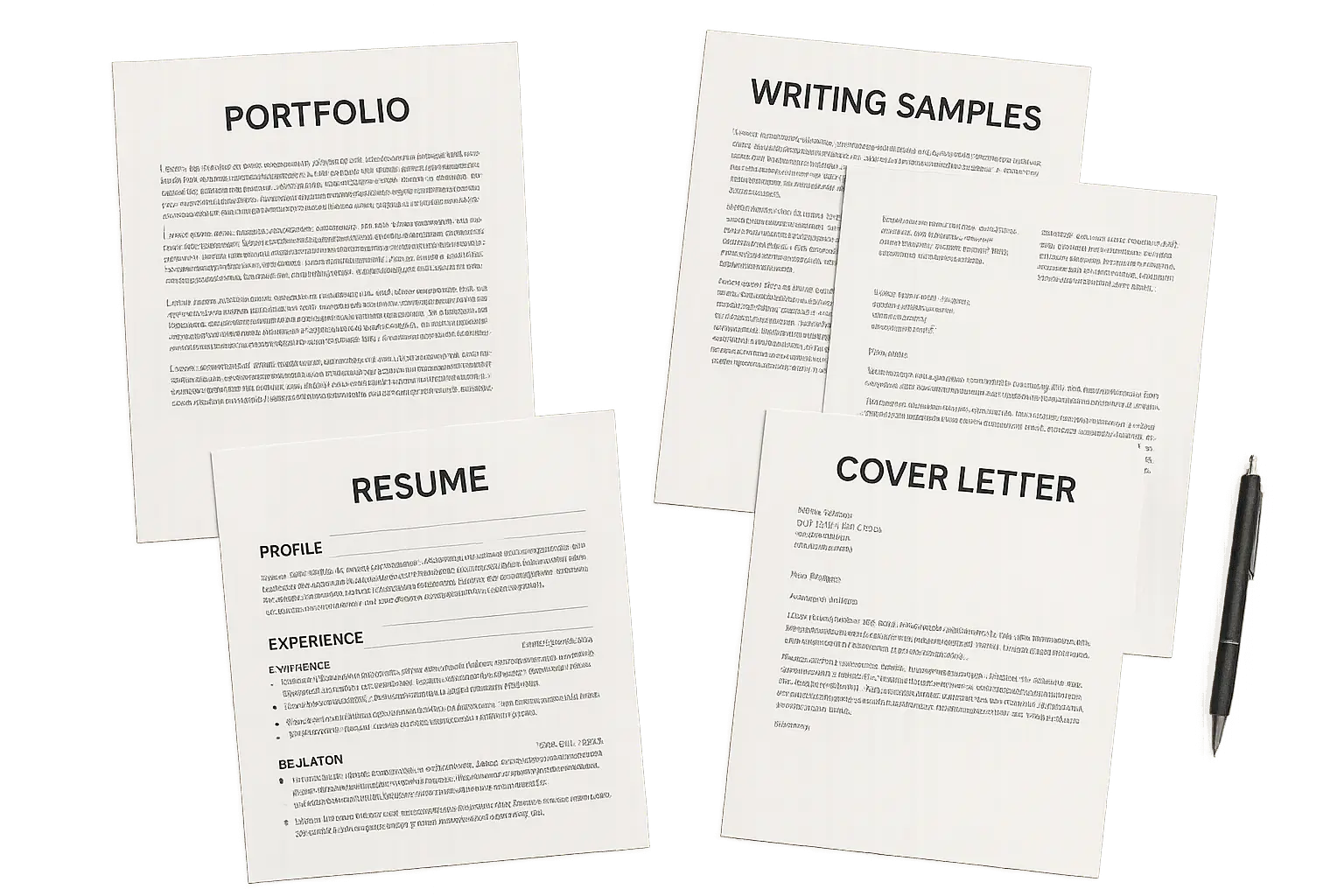
A strong publishing portfolio needs 3-5 diverse writing samples that showcase different skills: analytical thinking through book reviews, editorial judgment through opinion pieces, commercial awareness through marketing copy, and creativity through original work. Each piece should prove you understand audience, voice, and publishing standards.
Here's the thing though - your portfolio needs to tell a story about your publishing interests and capabilities. Don't just throw in your best academic papers and call it a day. Curate pieces that show you actually get how publishing works as both an art and a business.
Publishing Portfolio Checklist:
- 1-2 thoughtful book reviews that go beyond "I liked it"
- 1 editorial piece that shows you can take a stance and argue it
- 1-2 marketing copy samples (even if you made them up)
- 1 creative writing sample that shows your voice
- Everything should demonstrate you know who you're writing for
- Portfolio shows range without being all over the place
- Each piece includes brief context about its purpose and audience
Essential Writing Samples That Actually Matter
Start with a book review that goes way beyond plot summary. Publishers want to see that you can think critically about books as products, not just artistic works. Analyze themes, market positioning, target audience - show them you get the business side.
Include an editorial piece that demonstrates you can take a position and argue it persuasively. This could be an op-ed about industry trends, a response to publishing controversies, or analysis of literary movements. Just make sure you actually have something to say.
Add marketing copy samples - even if you've never worked in marketing, you can create mock book descriptions, social media campaigns, or press releases for books you love. This shows commercial awareness that a lot of English majors completely lack.
How to Document Experience When You Don't Have Any
Worked retail? That's customer service, inventory management, and sales skills that translate directly to publishing. Customer service jobs prove you can communicate and solve problems under pressure.
Managed social media for literally anything? That shows you understand audience engagement, content strategy, and brand voice - all crucial skills in modern publishing.
Academic work including research projects, writing center tutoring, or literary magazine involvement proves attention to detail, deadline management, and collaborative skills that publishers actually value.
Demonstrating Industry Knowledge (Without Being a Know-It-All)
Publishers want to see that you pay attention to what's happening in the book world - not just that you read a lot of romance novels (though that's cool too). This knowledge should be woven naturally into cover letters and interview responses, showing genuine engagement with publishing beyond just loving books.
How to Actually Stay Current with Publishing Trends
Follow industry publications like Publishers Weekly, The Bookseller, and Shelf Awareness to understand market dynamics, acquisition trends, and business challenges. Reference specific articles or trends in your applications, but don't be that person who name-drops just to show off.
Understand the impact of social media on book marketing, the growth of audiobooks, and ongoing debates around diversity in publishing. These topics come up constantly in interviews and show you're thinking about publishing's future, not just its past.
Building Your Reading Profile (Strategically)
Read widely across genres and formats, including books published by companies where you're applying. Mention specific titles in cover letters, but focus on why they succeeded commercially or editorially rather than just gushing about how much you loved them.
Pay attention to imprints and editors - knowing that Emily Bestler edits thrillers at Emily Bestler Books (Simon & Schuster) or that Andy Ward handles literary fiction at Random House shows industry awareness that actually impresses hiring managers.
Mastering the Internship Hunt Strategy
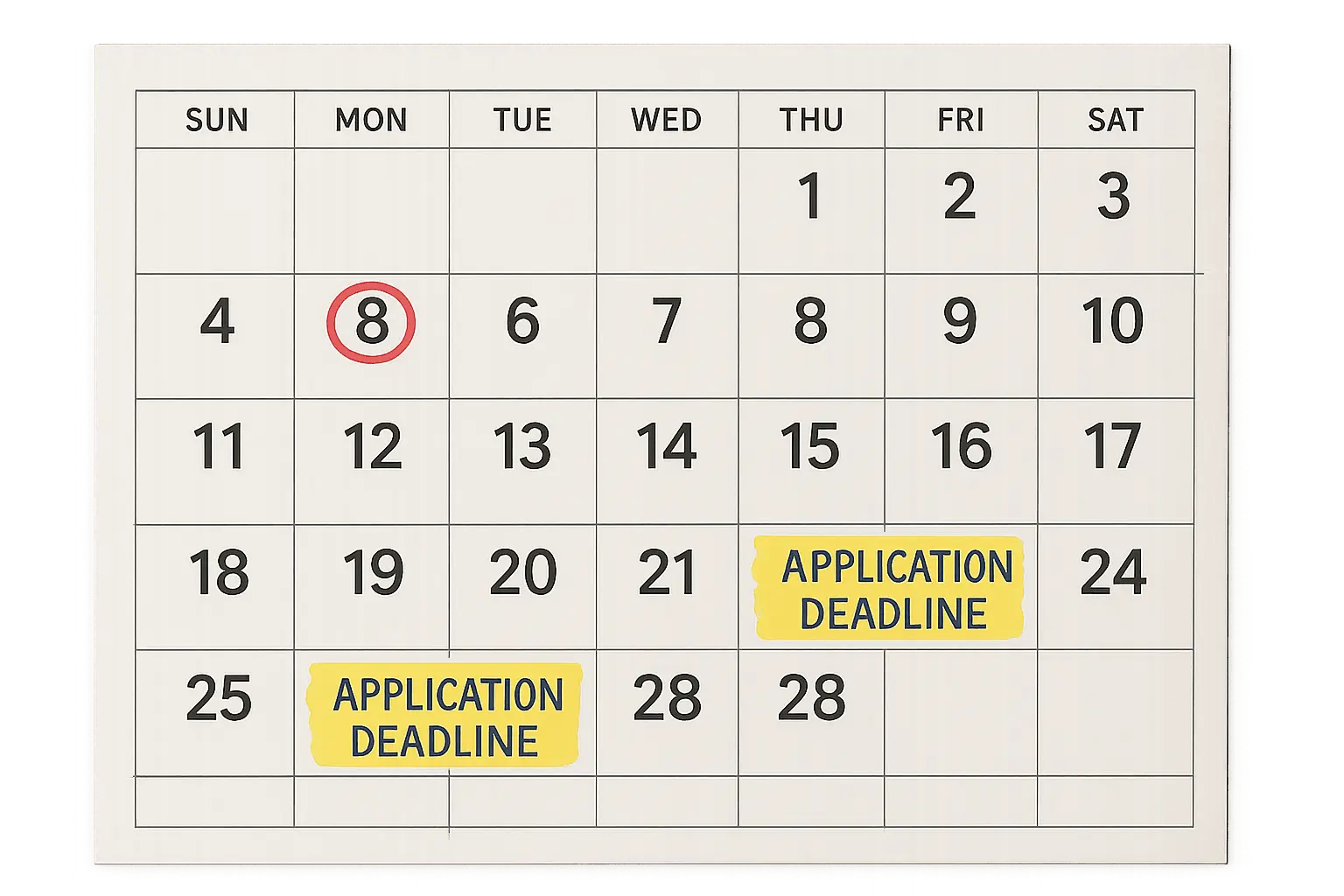
Here's where things get real: most prestigious summer publishing internships open applications in October and close between December and February. September hits and suddenly everyone's panicking about applications. Don't be that person frantically googling "publishing internship requirements" at 11 PM in November.
Timing Your Applications (So You Don't Lose Your Mind)
Most summer publishing internships follow predictable cycles, and understanding these timelines can be the difference between getting your dream internship and scrambling for backup options. Summer programs open in October with deadlines concentrated between December and February. Starting your research and prep by September gives you the best shot at competitive programs.
The publishing industry operates on predictable cycles tied to academic calendars and seasonal book releases. Summer internships align with major publishers' busiest seasons, when fall catalogs are being finalized and marketing campaigns are launching for the biggest books of the year.
|
Application Timeline |
Key Activities |
Deadlines |
Success Tips |
|---|---|---|---|
|
September |
Research programs, gather materials |
N/A |
Start early, create application calendar |
|
October |
Applications open, begin submissions |
Early programs |
Apply to reach schools first |
|
November-January |
Peak application season |
Most deadlines |
Tailor each application, follow up |
|
February-April |
Interviews and decisions |
Final deadlines |
Prepare for tests, stay organized |
|
May-August |
Internship period |
N/A |
Network actively, exceed expectations |
Summer Internship Timeline Strategy (That Actually Works)
Begin researching programs in September, noting application requirements and deadlines. Many programs require transcripts, writing samples, and multiple recommendation letters, so early preparation isn't just helpful - it's essential if you want to maintain any semblance of sanity.
October marks the opening of most major applications. Penguin Random House, HarperCollins, and other Big Five publishers typically post their summer programs during this month, and trust me, you want to be ready.
November through January is application season hell. Dedicate serious time to crafting tailored cover letters and polishing writing samples for each application. Yes, it's tedious. Yes, it's worth it.
February through April brings interview invitations and final decisions. Be prepared for phone interviews, writing tests, and sometimes in-person meetings that'll make you question everything you thought you knew about books.
During this intensive application period, having reliable housing arrangements becomes crucial for success. Understanding how student housing works in Manhattan can help you secure accommodations that align with internship timelines and interview schedules without adding housing stress to application stress.
New York Family recently announced their "Exciting Editorial Internship Opportunity with New York Family – Summer 2025," seeking "dynamic and creative editorial interns for Spring 2025." The posting emphasizes "real-world experience" and "flexible scheduling" with remote work options, showing how even smaller media companies offer valuable publishing-adjacent experiences with college credit opportunities.
Alternative Timeline Opportunities (Your Backup Plan)
Fall and spring internships often have way more flexible deadlines, with applications opening 2-3 months before start dates. These programs typically get fewer applications, making them excellent backup options when the summer competition gets brutal.
Some smaller publishers and agencies hire interns on rolling bases throughout the year. Building relationships with these organizations can lead to opportunities outside traditional cycles, which honestly might be less stressful than the summer madness.
Strategic Networking (Without Being That Person)
The publishing industry runs on personal connections and referrals, which makes networking essential for internship success. But here's the thing - networking sounds scary, but most publishing people became book nerds because they're actually pretty nice. Professional organizations, industry events, alumni connections, and social media engagement provide multiple ways to build relationships with industry professionals who can offer insights, referrals, and unadvertised opportunities.
Professional Organizations and Industry Events (That Don't Suck)
Publishers Marketplace offers student memberships that give you access to industry databases, deal announcements, and networking events. The investment pays off through insider knowledge and connection opportunities that you literally can't get anywhere else.
BookExpo and regional book festivals bring together publishers, agents, authors, and booksellers. Attend panels, visit publisher booths, and actually engage in conversations about industry trends. Start with "I loved your recent Instagram post about that debut novel" and go from there.
Local literary events, author readings, and book launches provide informal networking opportunities. Publishers often attend events for their authors, creating chances for organic conversations that don't feel forced or weird.
When you're attending industry events throughout Manhattan, staying at The Central Park Manhattan House gives you convenient access to literary venues while providing a professional environment for post-event follow-up communications.
Leveraging Alumni Networks (Without Being Annoying)
Your school's alumni database probably includes graduates working in publishing. Reach out for informational interviews, but ask about their career paths and current industry insights rather than immediately begging for internship referrals.
Alumni are often willing to review application materials, provide company-specific advice, or make introductions to colleagues. These relationships can be way more valuable than cold applications that get lost in the pile.
Building Your Professional Social Media Presence
Twitter is where publishing people live and breathe. Fair warning: it can get pretty intense during #PublishingPaidMe discussions or when there's industry drama. Follow editors, agents, publishers, and industry journalists to understand ongoing conversations and trends.
Engage thoughtfully with industry discussions, share relevant articles, and comment on publishing news. Just avoid controversial topics and maintain a professional tone that won't make potential employers cringe.
LinkedIn allows for more formal professional networking. Connect with publishing professionals after meeting them at events, and share industry-related content that shows you're actually paying attention to the field.
Turning Your Internship Into Career Gold
So you got the internship - congratulations! Now comes the real work. Maximizing your internship experience requires way more than just showing up and doing your assigned tasks. You need to be proactive about learning, strategic about relationship building, and smart about getting cross-departmental exposure to understand how this whole crazy industry actually works.
Learning Beyond Your Daily Tasks (Because Filing Isn't Everything)
Here's the reality: some days you'll be doing amazing work on upcoming bestsellers. Other days? You'll be making copies and organizing filing cabinets. Both are part of the deal, but exceptional interns find ways to learn beyond their basic assignments.
Your assigned tasks are the minimum expectation, not the maximum opportunity. Publishers notice interns who seek additional learning experiences and show genuine curiosity about the business beyond just "I love books."
Internship Excellence Checklist:
- Request informational meetings with 3+ departments
- Learn at least one industry software (InDesign, Edelweiss, NetGalley)
- Attend all optional meetings and events (even the boring ones)
- Volunteer for special projects outside your department
- Shadow different roles during lunch breaks
- Ask for feedback weekly, not just at program end
- Document all projects and skills gained for future applications
- Connect with fellow interns on LinkedIn
- Send thank you notes to all supervisors and mentors
Gaining Cross-Departmental Exposure (The Smart Way)
Request informational meetings with professionals in editorial, marketing, sales, and rights departments. Most publishing professionals actually enjoy sharing their expertise with engaged interns, so don't be shy about asking.
Shadow different departments during your lunch breaks or slow periods. Watching a marketing team plan a book launch or sitting in on an editorial meeting provides insights you can't get from reading about publishing online.
Ask to attend client meetings, author calls, or publisher presentations when appropriate. These experiences teach you how publishing decisions are actually made and how different departments work together (or sometimes don't).
Developing Industry-Relevant Skills (That Matter)
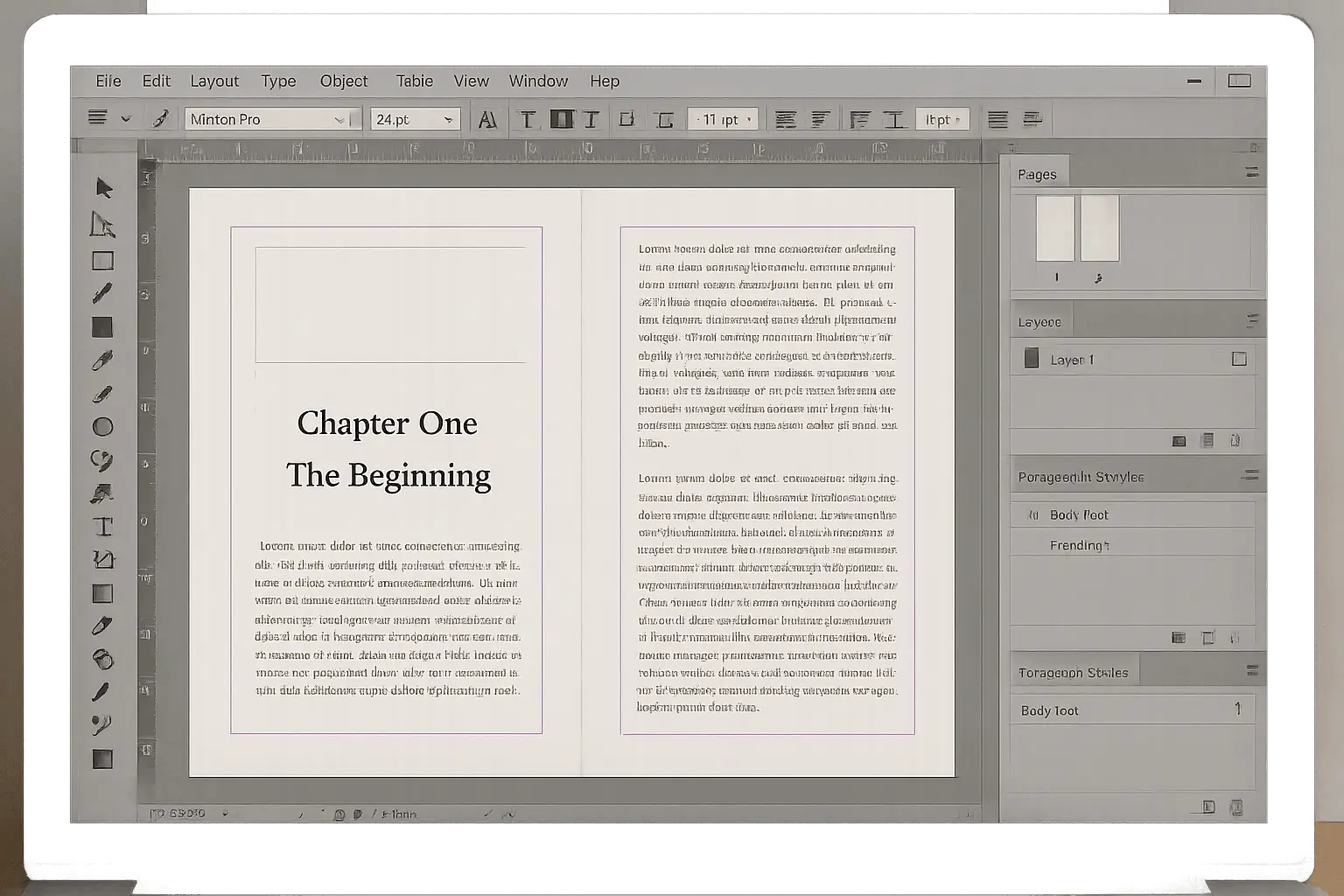
Learn InDesign, the industry standard for book layout and design. Even basic proficiency makes you way more valuable for marketing and production tasks.
Get familiar with manuscript tracking systems like Edelweiss or NetGalley. Understanding these platforms shows you're thinking about publishing technology and workflow efficiency.
Study book production processes from manuscript to bookstore. Understanding printing schedules, distribution networks, and retail relationships gives you a comprehensive view of the business that most people never bother to learn.
Building Professional Relationships That Actually Last
Internships give you unparalleled access to industry professionals, but you need to be intentional about cultivating meaningful relationships. This isn't about collecting business cards - it's about finding potential mentors, maintaining contact through thoughtful communication, and investing in peer networks that often become lifelong professional connections.
Identifying and Cultivating Mentors (Without Being Weird)
Look for 2-3 potential mentors during your internship - people whose career paths interest you and who seem willing to share advice. These don't have to be senior executives; mid-level professionals often make the best mentors because they remember being where you are.
Approach potential mentors by asking for specific advice about industry trends or career development rather than immediately asking for job referrals. Show that you value their expertise and insights, not just their connections.
Keep in touch through thoughtful check-ins that provide value - sharing relevant articles, updating them on your progress, or asking for advice on specific challenges. Don't be that person who only reaches out when they need something.
Investing in Peer Relationships (Your Future Network)
Fellow interns often become lifelong professional contacts as you advance in your careers together. These relationships can actually be more valuable than senior-level connections because you'll grow in the industry at the same pace.
Stay in touch with intern cohorts through social media, industry events, and regular communication. As you all advance to different companies, you'll become each other's industry network.
Collaborate on projects when possible and support each other's professional development. The publishing world is way smaller than it appears, and today's intern colleague could be tomorrow's hiring manager.
Maximizing Your Learning Opportunities (Like a Boss)
Exceptional interns seek learning opportunities beyond their assigned departments by attending company meetings, volunteering for special projects, and asking thoughtful questions that show genuine interest in the business. This proactive approach often leads to expanded responsibilities and stronger professional relationships.
Volunteering for Special Projects (The Smart Career Move)
Publishers often have special projects that fall outside normal departmental responsibilities - book fair preparations, author event coordination, or market research initiatives. Volunteer for these assignments to gain broader experience and show initiative.
Offer to help with overflow work from other departments when your schedule allows. This demonstrates flexibility and exposes you to different aspects of the business while making you incredibly valuable.
Take initiative on improving existing processes or suggesting new approaches to routine tasks. Publishers appreciate interns who think critically about workflow efficiency, especially when those suggestions actually work.
Making the Leap from Intern to Publishing Professional
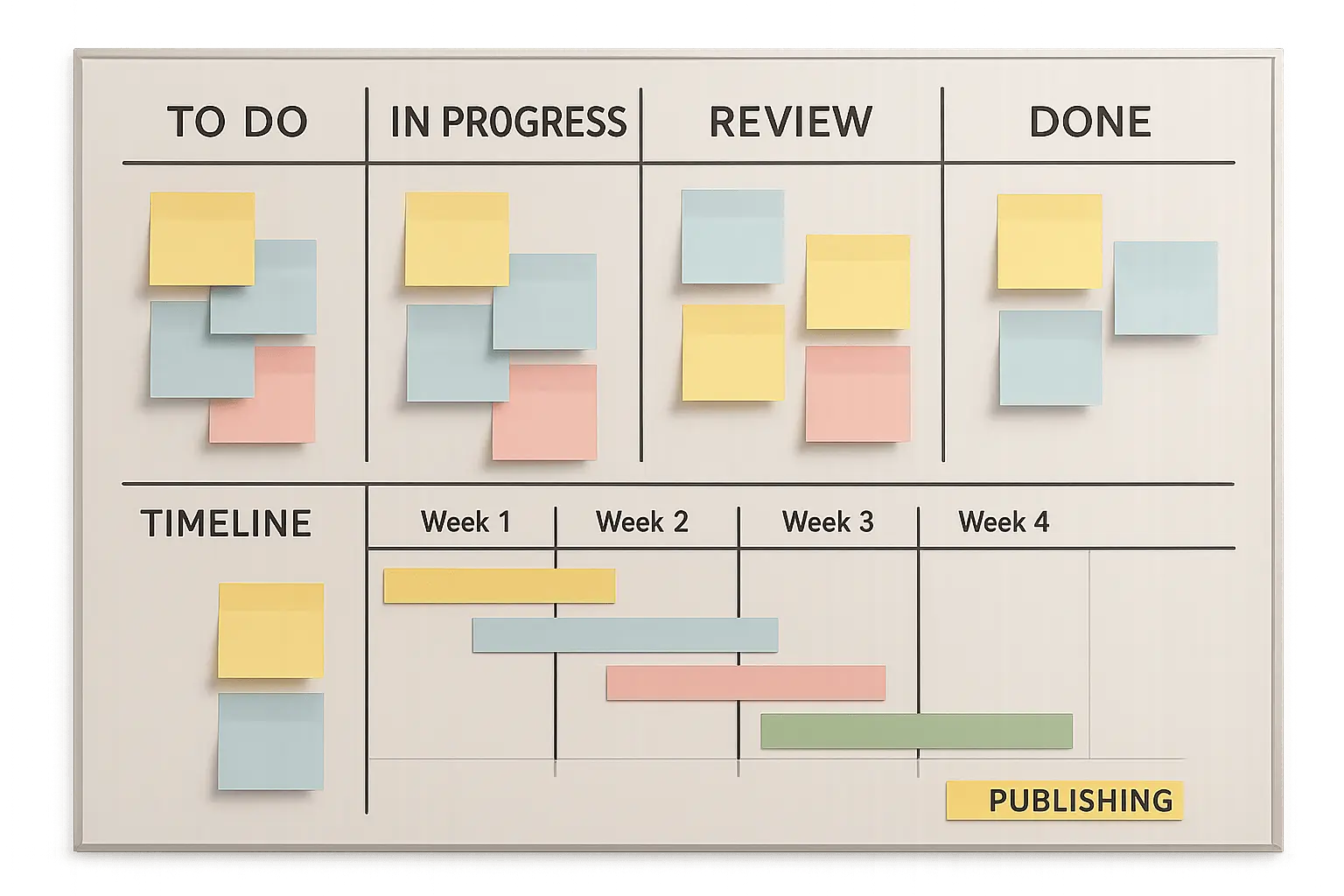
Okay, so your internship is ending. Now what? Converting internship experience into permanent employment requires strategic post-internship planning, continued industry engagement, and persistent but professional follow-up with contacts. The months following your internship are absolutely crucial for maintaining momentum and capitalizing on the experience and connections you've gained.
Post-Internship Strategy Development (The Real Work Begins)
Your internship ends, but your publishing career development is just getting started. The relationships you've built and insights you've gained are only valuable if you maintain and build upon them strategically. This period requires continued industry engagement, skill development to address gaps you identified during the internship, and strategic job applications that leverage the relationships you've built.
Here's another reality check: according to the U.S. Bureau of Labor Statistics, about 20% of publishing industry employment in 2016—10,269 jobs—was in New York City. In 2023, that number had slipped to 9,540, or about 17.4% of the publishing workforce. This makes strategic positioning even more crucial for career success.
Staying Visible in the Industry (Without Being Annoying)
Continue attending industry events, book launches, and literary gatherings. Your former colleagues and supervisors will notice your continued engagement and remember you when opportunities arise.
Keep up your professional social media presence by sharing industry news, commenting thoughtfully on publishing trends, and celebrating the successes of your former colleagues and fellow interns. Just don't overdo it.
Volunteer with literary organizations, book festivals, or publishing conferences. This keeps you connected to the industry while building additional skills and relationships that could lead to opportunities.
As you transition from intern to job seeker, maintaining a stable Manhattan base becomes essential for networking and interviews. The Hamilton House offers flexible arrangements that accommodate the unpredictable nature of job searching while keeping you connected to the publishing community.
Addressing Skill Gaps (Be Honest About Them)
Take a hard look at specific skills you need to develop based on your internship experience. Did you struggle with Excel for sales analysis? Take an online course. Need to understand rights and permissions better? Read industry guides and attend relevant workshops.
Consider freelance projects that build your portfolio while developing needed skills. Offer to write book reviews for literary blogs, help authors with social media campaigns, or assist small publishers with marketing projects.
Take online courses in publishing-specific software, digital marketing, or project management. Coursera, LinkedIn Learning, and industry organizations offer relevant training that makes you a stronger candidate.
Strategic Job Application Approach (Work Smarter, Not Harder)
Apply first to companies where you've built relationships during your internship. Even if they don't have immediate openings, they may know of opportunities at partner organizations or keep you in min
Apply first to companies where you've built relationships during your internship. Even if they don't have immediate openings, they may know of opportunities at partner organizations or keep you in mind for future positions.
Expand your search beyond traditional publishers to include literary nonprofits, book marketing firms, literary agencies, and content marketing roles at other companies that value publishing experience.
Tailor each application to reference specific conversations or projects from your internship experience. This personal connection helps your application stand out from the hundreds of generic submissions.
Exploring Alternative Career Paths (When Plan A Doesn't Work)
Your internship might have revealed that you prefer the business side over editorial work, or that you're drawn to marketing rather than manuscript development. These insights should absolutely guide your job search strategy, and that's totally okay.
Despite the overall decline in traditional publishing jobs, with the most recent AAP numbers showing sales in 2023 were $29.9 billion, the industry continues to evolve and create new opportunities in digital publishing, content marketing, and multimedia production.
Adjacent Industry Opportunities (Your Backup Plan)
Literary agencies offer career paths in manuscript evaluation, client management, and rights negotiation. The skills you developed during your publishing internship translate directly to agency work, and honestly, the pay is often better.
Book publicity and marketing firms specialize in promoting authors and titles across multiple publishers. These roles combine publishing knowledge with communications and marketing expertise, which is incredibly valuable.
Literary magazines, both print and digital, need staff who understand editorial processes and audience development. These positions often offer more creative control and direct author interaction than traditional publishing roles.
Content marketing roles at non-publishing companies value your understanding of audience engagement, editorial processes, and brand voice development. Many companies need employees who can think about content strategy with a publisher's mindset.
Freelance and Consulting Pathways (The Entrepreneurial Route)
Many publishing professionals build careers through freelance editing, writing, and consulting work. This path offers flexibility and exposure to diverse projects across multiple publishers and authors, though it requires serious self-discipline.
Freelance opportunities include manuscript evaluation, copyediting, social media management for authors, and book marketing consulting. Start with small projects while building your reputation and client base.
Consider combining freelance work with part-time positions to maintain steady income while developing your independent practice. Many successful publishing consultants started exactly this way.
How Student Housing NYC Supports Your Publishing Career Journey
And can we talk about the housing situation? Finding affordable housing while interning (often unpaid) is basically a part-time job itself. Pursuing publishing internships in Manhattan presents unique housing challenges that can seriously impact your professional success. Student Housing NYC gets that securing affordable, flexible housing near publishing districts is crucial for maximizing internship opportunities.
Our strategically located properties including The Apollo House near subway lines eliminate those soul-crushing commutes that could interfere with networking events, late editorial deadlines, or impromptu coffee meetings with industry professionals. The flexible booking system aligns with unpredictable internship timelines, whether you're pursuing summer programs or semester-long opportunities.
Furnished apartments provide professional environments for remote work days, manuscript reading, and video calls with mentors. Most importantly, our simplified payment system and flexible move-in dates accommodate the often unpredictable nature of internship offers, allowing you to focus on launching your publishing career rather than managing housing logistics.
Ready to secure housing that supports your publishing ambitions? Contact Student Housing NYC today to find the perfect home base for your internship journey.

Final Thoughts
Breaking into NYC's publishing world requires way more than just loving books - it demands strategic planning, genuine industry engagement, and the persistence to turn temporary opportunities into lasting career foundations. The internship landscape offers multiple pathways, from prestigious Big Five programs to hands-on experiences at independent presses, each providing unique advantages for different career goals.
Look, this industry can be tough and sometimes feels impossible to break into. But every editor, agent, and publisher started somewhere - probably feeling just as lost as you do right now. Success comes from understanding that publishing is both an art and a business, requiring creative sensibilities alongside commercial awareness. The relationships you build during your internship often matter more than the specific tasks you complete, making networking and mentorship cultivation essential skills for long-term career development.
Remember that your first internship is just the beginning of your publishing journey. The industry values diverse experiences and perspectives, so don't get discouraged if your path doesn't follow traditional routes. Whether you end up at a major publisher, literary agency, or innovative digital platform, the foundation you build through strategic internship experiences will serve you throughout your career in this dynamic and constantly evolving industry.
The rejection emails sting (trust me, I've been there), but the industry needs fresh voices and perspectives. Walking into these massive publishing houses for the first time? Yeah, you're going to feel like you don't belong. Spoiler alert: everyone feels that way initially. But if you're strategic, persistent, and genuinely passionate about books and the business behind them, you can absolutely make it work.